


Embrace the Half-Batch Mindset
The first step is to stop thinking of recipes as fixed rules. Most recipes are designed to serve four to six people, but simply dividing every ingredient by four can sometimes lead to odd results, especially in baking. Instead, adopt a 'half-batch' mindset.
Start by halving a recipe, which is more manageable and provides just enough for a second meal without overwhelming you. Soups, stews, chilis, and casseroles are excellent candidates for this approach. When scaling down, remember that cooking times may also need to be reduced, so keep a closer eye on your dish. It’s also wise to invest in smaller cookware, like a small skillet or a loaf pan, which can help with portion control and ensure even cooking.
Build a Versatile Pantry
The secret to dynamic solo cooking lies in a well-stocked pantry of versatile ingredients. These are items that can pivot between different types of meals, ensuring nothing goes to waste. Plan your meals around a core ingredient for the week. For example, a head of cabbage can be used for stir-fries, slaws, and soups. Key players to always have on hand include eggs, which can be used for breakfast, lunch, or dinner, and potatoes, which can be baked, mashed, or roasted. Canned goods like tomatoes, chickpeas, and beans are foundational for quick sauces, salads, and stews. Aromatic bases like onions and garlic, along with flavor enhancers like soy sauce, lemon, and tomato paste, can transform simple components into a variety of distinct dishes.
Cook Once, Eat Creatively Twice
Cooking for one doesn't mean you're doomed to eat identical leftovers. The 'cook once, eat twice' (or even thrice) strategy is about preparing components, not just full meals. For instance, roast a couple of chicken breasts at the start of the week. The first night, have a piece with roasted vegetables. The next day, shred the remaining chicken for tacos or a salad. A large batch of a grain like quinoa or rice can serve as a side dish one night, the base for a grain bowl the next, and a filler for stuffed peppers later. This method saves time and energy while allowing for variety, which is key to staying engaged with home cooking.
Make Your Freezer a Strategic Partner
Your freezer is arguably the most valuable tool for a solo cook. It's not just for storing frozen dinners; it's for preserving your own freshly cooked food in perfect single-serving portions. When you make a half-batch of chili or soup, freeze one or two portions immediately in individual containers. This builds a library of homemade 'ready meals' that are far healthier and cheaper than store-bought versions. You can also freeze individual components. If a recipe only calls for half a can of tomato paste, freeze the rest in an ice cube tray for future use. The same goes for fresh herbs, bread, and even portions of meat bought in larger, more economical packages.
Shop Smarter, Not Harder
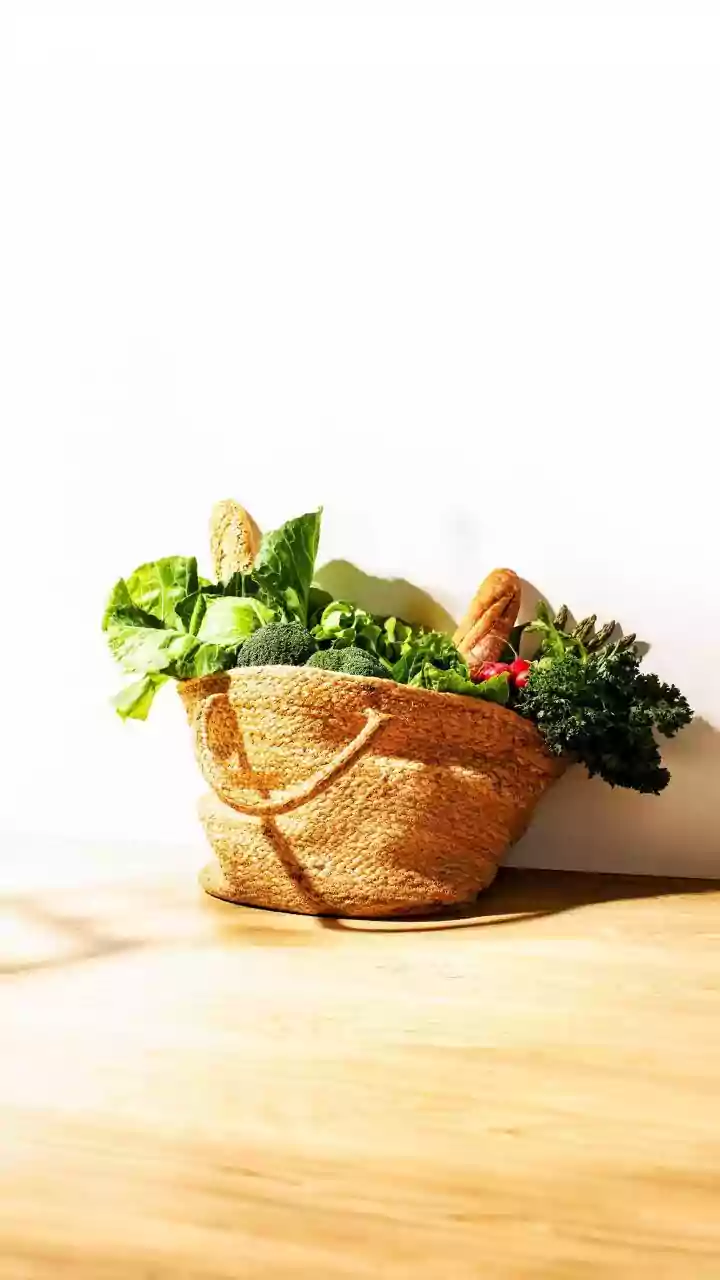
Reducing waste starts at the grocery store. Before you go, create a meal plan based on the ingredients you already have. Make a specific list and stick to it to avoid impulse buys. When possible, shop from bulk bins, which allow you to buy the exact amount of grains, nuts, or spices you need. Instead of buying a whole bag of carrots, buy just one or two loose ones. At the butcher counter, ask for single portions of meat or fish. More frequent, smaller shopping trips can often be more effective than a large weekly haul, ensuring your produce is always fresh and you're only buying what you can realistically use.