

The Unmissable South Coast Icons
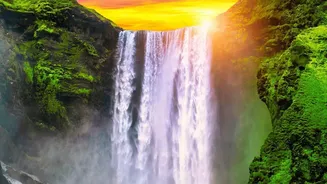
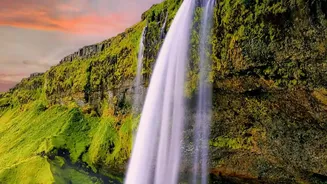
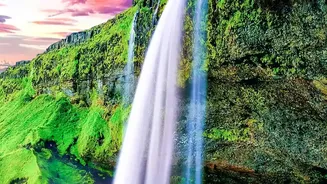
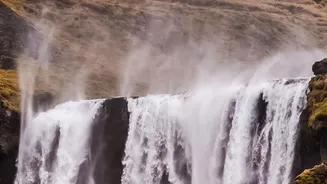
For many visitors, Iceland's waterfall journey begins on the south coast. Skógafoss is a mighty, 60-metre-tall curtain of water that you can walk right up to, though be prepared for the powerful spray. Nearby, Seljalandsfoss offers a unique experience:
a pathway that allows you to walk directly behind the cascade. Just a short walk from Seljalandsfoss is its hidden neighbour, Gljúfrabúi, tucked away inside a canyon. And no trip is complete without seeing Gullfoss, the 'Golden Waterfall'. Part of the famous Golden Circle route, this two-tiered giant plunges into a rugged canyon and is considered one of Iceland's most famous and spectacular falls.
Exploring Beyond the Beaten Path
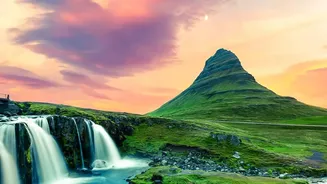
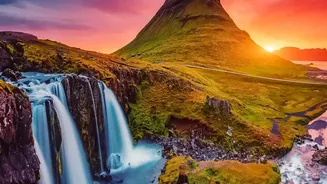
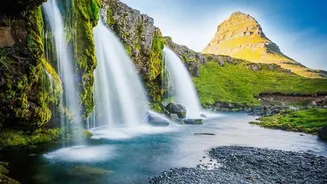
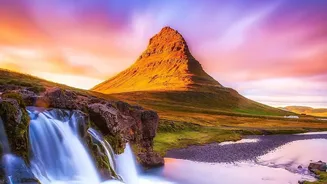
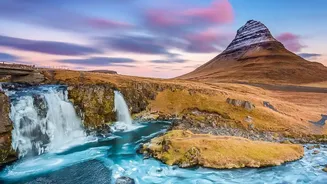
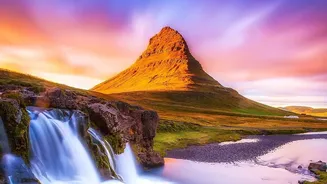
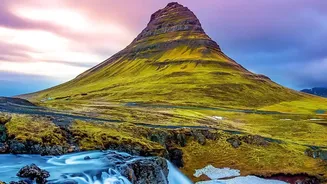
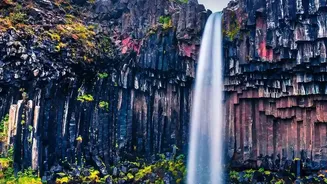
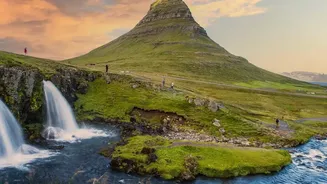
While the south is spectacular, other regions boast their own must-see waterfalls. In the north, Dettifoss is reputed to be the most powerful waterfall in Europe, a thunderous display of raw natural force. Nearby is the elegant, horseshoe-shaped Goðafoss, the 'Waterfall of the Gods'. In the west, Kirkjufellsfoss, with the iconic Kirkjufell mountain behind it, is one of Iceland's most photographed scenes. For those seeking a true adventure, a hike is required to see waterfalls like Svartifoss in Skaftafell, famed for the black basalt columns that frame it.
When to Visit: Summer Sun vs. Winter Ice
The best time to visit depends entirely on what you want to see. Summer (June-August) is the peak season, offering long daylight hours—including the midnight sun—and lush green landscapes. Roads are generally clear, making it the best time for hiking and accessing more remote areas. Winter (November-March) offers a completely different kind of magic. While daylight is limited, you have the chance to see waterfalls frozen into dramatic ice sculptures and the potential to view the Northern Lights. However, be prepared for challenging driving conditions and potential road closures. The shoulder seasons of May, September, and October can offer a good balance of fewer crowds, decent weather, and the return of the aurora in the autumn.
Getting Around: Car Rentals and Road Safety
A self-drive tour offers the most freedom to explore. For summer trips sticking to the main Ring Road and the Golden Circle, a standard 2WD vehicle is usually sufficient. However, a 4x4 is highly recommended for winter travel due to snow and ice, and it is legally required for accessing the rugged F-roads of the Highlands, which are only open in summer. Before setting out each day, always check Vedur.is for weather alerts and Road.is for up-to-the-minute road conditions and closures. Be mindful that spray from waterfalls can make nearby roads slick.
Packing for the Elements
Iceland's weather is famously unpredictable, and layering is key. A waterproof and windproof outer layer is non-negotiable. This includes a quality rain jacket and waterproof pants, which are essential for getting close to powerful waterfalls. Sturdy, waterproof hiking boots with good grip are crucial for navigating wet and uneven terrain. Even in summer, pack warm mid-layers like fleece or wool, along with a hat and gloves. To protect your electronics from the constant mist, a waterproof phone case or dry bag is a wise investment.
Respecting Nature and Staying Safe
Iceland's nature is raw and often unfenced. Safety relies on visitor judgment and preparation. Always stay on marked trails and respect all barriers and ropes; they are there for a reason, often to protect you from slippery edges or to preserve fragile vegetation. Rocks near waterfalls are incredibly slick from mist and algae, so maintain a safe distance from cliff edges. Never attempt to swim in the plunge pools beneath large falls, as the currents can be dangerous. By being prepared and cautious, you can ensure your waterfall adventure is both breathtaking and safe.