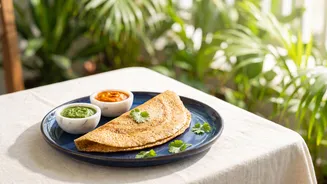



The Rise of a Superfood Dosa
The traditional dosa, made from a fermented batter of rice and urad dal, is a beloved staple across India. But as health consciousness grows, home cooks and chefs are innovating with nutrient-dense ingredients. Enter the quinoa dosa. Quinoa, a seed celebrated
as a 'superfood', offers a fantastic alternative to rice. It is one of the few plant-based foods that contains all nine essential amino acids, making it a complete protein. Furthermore, it is high in dietary fibre and has a lower glycemic index compared to white rice, which is beneficial for maintaining stable blood sugar levels. This makes the quinoa dosa not just a tasty meal but also a smart choice for those managing their weight or looking for diabetic-friendly options.
Your Essential Ingredient Checklist
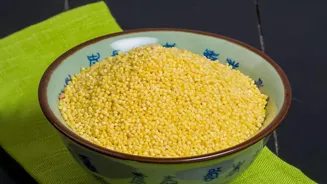
Creating the perfect quinoa dosa starts with the right ingredients. While recipes vary, most successful versions rely on a blend of grains and lentils to achieve the ideal texture and flavour. The core component is, of course, quinoa; white quinoa is most commonly used. To achieve that signature dosa crispness and earthy flavour, urad dal (split black gram) is essential. Many recipes also include a small amount of chana dal (split chickpeas) and fenugreek (methi) seeds, which aid in crispiness. Some variations incorporate rolled oats for an even crispier finish. For an instant version, you only need to soak these ingredients for a few hours before grinding.
The Simple Soaking and Grinding Process
The magic of the quinoa dosa begins with a simple soak. Combine one cup of quinoa with half a cup of urad dal and a quarter cup of chana dal. Add a teaspoon of fenugreek seeds. Rinse these ingredients thoroughly under running water until the water is clear; this is crucial for quinoa to remove its natural bitter coating, called saponin. Once rinsed, soak the mixture in ample water for at least four to five hours. After soaking, drain the water completely. Transfer the soaked ingredients to a high-speed blender. Add salt, and optionally, a small piece of ginger or a green chilli for flavour. Grind everything into a smooth paste, adding cold water sparingly until you reach a free-flowing batter. The consistency should not be too thick or too thin.
To Ferment or Not to Ferment?
One of the biggest advantages of many quinoa dosa recipes is that they can be made 'instantly'—that is, without the lengthy 8-12 hour fermentation process required for traditional dosas. After grinding, you can let the batter rest for just 30 minutes to an hour before you start cooking. This makes it a practical option for a spontaneous breakfast or lunch. However, if you prefer the slightly sour, complex flavour of a fermented dosa, you can certainly let the batter ferment. Place it in a warm spot for 6-8 hours, or overnight, until it rises and becomes bubbly. Fermentation can also make the lentils easier to digest. Ultimately, the choice depends on your preference for taste and your available time.
Tips for a Perfectly Crisp Dosa
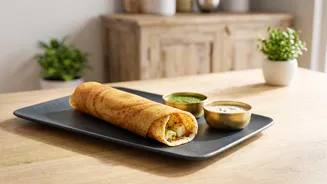
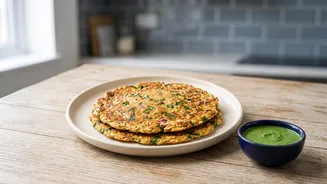
Achieving that coveted golden, paper-thin crispiness comes down to technique. First, ensure your tawa (griddle) is properly heated. A cast-iron tawa is highly recommended for the best results. To check if it's ready, sprinkle a few drops of water; they should sizzle immediately. Before pouring the batter, reduce the heat and lightly grease the tawa with oil, using a paper towel or a halved onion to spread it evenly. Pour a ladleful of batter onto the centre and, working quickly, spread it outwards in a circular motion. Increase the heat back to medium-high and drizzle a little oil or ghee around the edges. Cook until the edges start to lift and the surface looks golden brown. Then, fold it and serve hot.