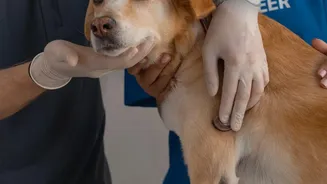




The Detective Work Starts with You
When you arrive at the veterinary clinic with an itchy pet, the investigation begins long before any skin scrapes or blood tests. The most critical first step is a thorough patient history. This isn't just about past illnesses; it's a detailed account
of your pet's life and the story of the itch itself. You, the owner, hold the essential clues. Your veterinarian will act as a detective, but you provide the case file. A detailed history allows the vet to narrow down the wide range of potential causes, which commonly fall into three main categories: parasites, infections, and allergies. Getting this information upfront is crucial for an efficient and accurate diagnosis, saving time, money, and your pet from further discomfort.
Answering the 'What, Where, and When'
Be prepared to answer specific questions about the nature of the itching, also known as pruritus. Key details can point your vet in the right direction. For instance, did the itch come first, followed by skin sores and redness, or was it the other way around? Itching that precedes visible skin lesions often suggests an allergic cause, while lesions that appear before or at the same time as the itch may indicate a parasite or infection. Your vet will also want to know the age of your pet when the itching started. A younger pet might point toward certain types of allergies, whereas skin issues in a geriatric pet could suggest something different entirely. The location of the itch also provides clues. Constant paw licking and face rubbing are common signs of environmental or food allergies, while intense itching at the base of thetail is a classic sign of a flea allergy.
Seasonal, Situational, or All the Time?
The timing of your pet's itching is another vital piece of the puzzle. Does the scratching intensify during certain times of the year? Seasonal itching that flares up in the spring or fall often points towards environmental allergies to things like pollen, dust, or mold. If the itching is a year-round problem, a food allergy might be a more likely suspect. Think about any recent changes in your pet’s life or environment. Have you introduced new foods, treats, or even flavored medications? Did you recently get new carpeting, start using a different laundry detergent, or visit a new place like a dog park or groomer? These details, which may seem minor, can be the key to identifying a trigger for contact dermatitis or exposure to new allergens or parasites.
The Record of Past Treatments
A comprehensive history includes a full account of everything you have tried so far to stop the itch. It is essential to inform your veterinarian about all previous medications, shampoos, dietary changes, and supplements you’ve used. Crucially, you need to report the results. Did a course of antibiotics help, even a little? If so, it suggests a secondary bacterial infection might be complicating the issue. Did a previous flea treatment seem to work, or was there no change? A lack of response to certain medications can be just as informative as a positive one, helping the vet to rule out potential causes. For example, if rigorous flea control measures don't provide relief, your vet may start to look more closely at allergies as the primary cause.
From History to Diagnosis
Armed with a detailed history, your veterinarian can begin a systematic diagnostic workup. They will typically start by ruling out the most common and easily treatable causes first. This usually involves performing tests like skin scrapings or tape preps to check for parasites like mites or infectious organisms like yeast and bacteria. If parasites and infections are ruled out or treated without fully resolving the itch, the focus will likely shift to allergies. At this point, your vet might recommend an elimination diet to test for food allergies or conduct skin or blood tests to identify environmental allergens. This step-by-step process, guided by your initial information, is the most effective way to uncover the true source of your pet's chronic discomfort.