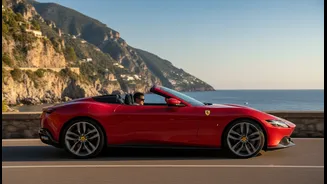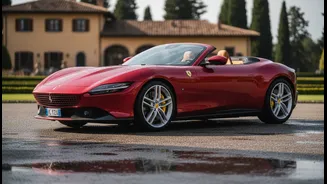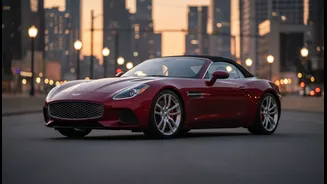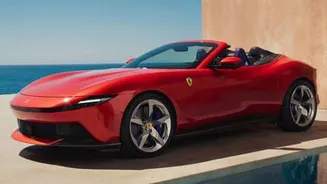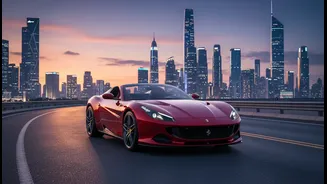









Meet Ferrari's Newest Open-Top Star
While the "Amalfi Spider" name is evocative, it represents the latest in a line of flagship V12 convertibles from Maranello. Think of it as the spiritual successor to models like the 812 GTS and the sibling to the recently unveiled 12Cilindri Spider.
These cars are the pinnacle of Ferrari's naturally-aspirated engine philosophy, celebrating raw power and sound. The real 12Cilindri Spider, for example, boasts a 6.5-litre V12 engine that produces a staggering 830 horsepower and screams to a 9,500rpm redline. This is not a hybrid or a turbo; it's a pure, unfiltered driving experience designed for collectors and enthusiasts who crave the ultimate expression of internal combustion engineering before the world pivots entirely to electric. The Amalfi Spider is therefore positioned as a highly exclusive, open-air grand tourer built for maximum drama and driver engagement.
A New Pricing Era for India
The ₹4.5 crore estimate for the Amalfi Spider isn't just a number plucked from thin air; it reflects a significant change in how Ferrari views the Indian market. This new pricing strategy is directly linked to the anticipated India-European Union Free Trade Agreement (FTA). This trade deal is expected to slash the crippling import duties on completely built-up (CBU) cars from over 100% down to around 30% in its first year. Recognizing the long waiting periods for its cars, Ferrari has reportedly started taking new orders at these projected lower prices. This is a proactive move. Instead of reacting to the policy change after it happens, Ferrari is using the FTA as a tool to stimulate demand and offer price transparency to its clients well in advance. It signals a shift from treating India as a peripheral market to integrating it into its core global strategy.
The Anatomy of a ₹4.5 Crore Price Tag
Even with reduced tariffs, how does the price reach such a figure? The journey from the factory in Italy to an Indian garage is laden with costs. It starts with the car's ex-factory price in Euros. To that, you add the new, lower import duty of around 30%. On top of that combined value, a Goods and Services Tax (GST) of 28% and an additional cess of 22% are applied. Then come logistics, insurance, and dealer margins. Finally, the owner must pay state-level registration taxes, which can be as high as 20% of the car's value. Before the FTA, these taxes were calculated on a base price already inflated by a 110% import duty, leading to astronomical on-road prices. A recent report suggested the price for a similar model, the Amalfi, could be around ₹4.08 crore after the FTA, making the Spider's ₹4.5 crore estimate logical given its premium positioning.
Why This Matters for Ferrari and India
This strategic pricing is a major vote of confidence in India's booming economy and its growing ranks of high-net-worth individuals. The Indian luxury car market is projected to grow significantly, from around USD 1.58 billion in 2026 to over USD 3.15 billion by 2034. Luxury vehicles currently account for just over 1% of total car sales, signaling massive headroom for growth. By making its cars more accessible, Ferrari is not just chasing sales; it's embedding itself deeper into the fabric of Indian luxury culture. The brand has noted its Indian customers are among the youngest globally and have a strong appetite for personalization. This new strategy, combined with increased brand experiences like exclusive launch events and driving tours, aims to build a loyal community of collectors who see Ferrari as more than just a car, but a long-term passion.