





The Call of the Wild Returns
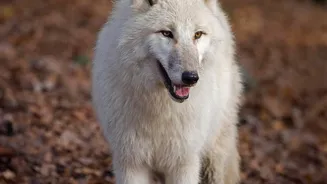
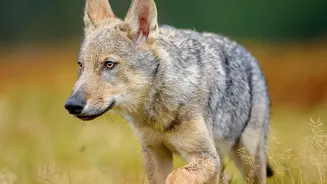
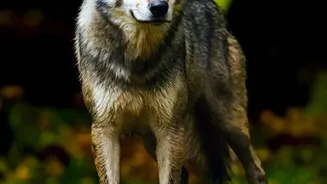
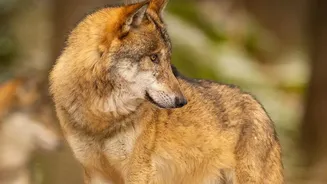
For centuries, the wolf was a creature of folklore, a villain in fairy tales hunted to near-extinction across much of Europe. Today, one of the continent's most remarkable conservation success stories is unfolding. Wolf populations are rebounding, increasing
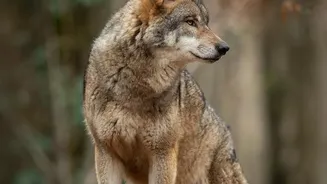
by an estimated 58% in a decade to over 21,500 animals by 2022. They are reclaiming old territories in countries like Italy, Spain, France, and Romania. And as the wolves return, so do the people—not with weapons, but with binoculars and cameras. A new, specialized travel sector is booming, drawing adventurers to the mountains and forests of the Apennines, the Carpathians, and the Sierra de la Culebra for a chance to connect with this iconic predator.
A Tour Without a Guaranteed Star
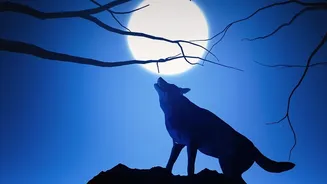
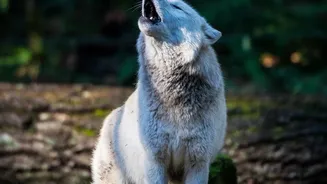
If you book a wolf-watching tour, you should know that the odds of a clear sighting are low. Wolves are naturally shy, elusive, and move primarily at night, making them incredibly difficult to spot in Europe’s dense forests. So, what exactly do these tours offer? The experience is less about a guaranteed photograph and more about a deep immersion in the wilderness. Led by expert trackers and ecologists, days are spent hiking off-trail, learning to read the landscape for signs: a paw print in the mud, a scent mark on a tree, or the remains of a kill. Evenings are often spent in quiet observation from a hide or listening for the haunting sound of a distant howl, a moment many guests find more profound than a visual encounter. Tour operators are clear about managing expectations, emphasising that while sightings are possible, they are never promised.
The Value of Absence
The success of this tourism model lies in a fundamental shift in perspective. The product isn't the wolf itself, but the possibility of the wolf. It's about the thrill of knowing you are sharing the landscape with a wild, intelligent predator. This pursuit of an unseen animal fosters a deeper connection to the environment. Travellers learn about the entire ecosystem—the prey animals like deer and wild boar, the flora, and the delicate balance that the wolf helps maintain. Many tours are explicitly conservation-led, with a portion of the fee directly funding wolf monitoring projects, community outreach, and efforts to promote human-wildlife coexistence. Visitors leave not just with memories, but with a greater understanding of the complexities of rewilding.
An Economic Lifeline for Rural Areas
The return of the wolf is not without conflict, particularly for farmers concerned about livestock. However, responsible ecotourism offers a powerful counter-narrative by demonstrating the economic value of living alongside large carnivores. In areas like Spain's Sierra de la Culebra, wolf tourism has been injecting hundreds of thousands of euros into local economies through spending on accommodation, food, and guides. This creates a tangible financial incentive for communities to protect their wildlife. Studies have shown that this form of tourism can even improve local attitudes toward the predators, turning a perceived threat into a source of regional pride and employment.