







A Modern Gesture of Friendship
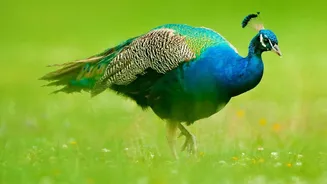
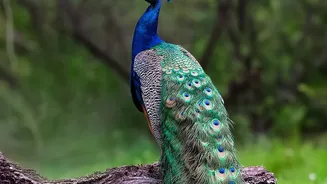
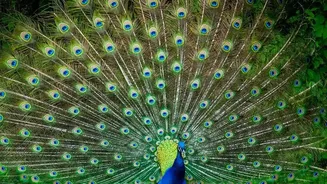
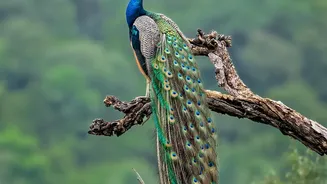
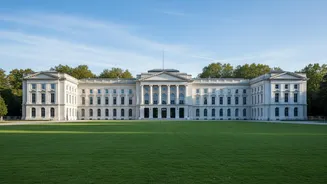
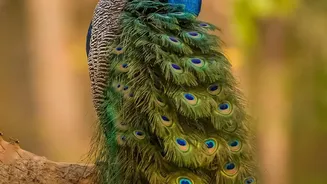
In early August 2026, the grounds of the Palais des Nations in Geneva welcomed new residents: five young Indian peacocks. The gift, comprising four classic blue peafowl and one rare white one, was formally presented by India's Permanent Representative,
Ambassador Arindam Bagchi, to the UN Geneva Director-General, Tatiana Valovaya. Timed just before a global summit on technology and development, the gesture was a vibrant display of 'soft power'. The donation was framed as a celebration of India's natural heritage and its commitment to multilateralism. The choice of birds was also symbolic; the blue and white plumage was noted to echo the official colours of the United Nations itself, adding another layer of meaning to the gift.
Echoes of a 1981 Precedent
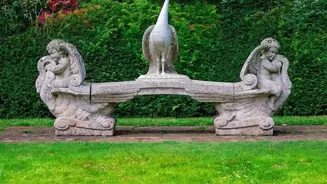
This act of peacock diplomacy directly revives a tradition initiated in 1981. At that time, then-Prime Minister Indira Gandhi arranged for a breeding pair of peacocks to be sent from the Delhi Zoo to Geneva. This original gift established an Indian connection to a much older tradition at Ariana Park, the home of the UN office, where a 19th-century bequest required that peacocks must always be allowed to roam the grounds freely. Over the decades, the descendants of Indira Gandhi's original pair thrived, but their numbers eventually dwindled. The 2026 gift, therefore, was not just a donation but a deliberate renewal of a promise, ensuring the historic tradition continues with a fresh infusion of life from India.
The Symbolism of the Peacock
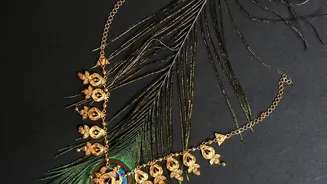
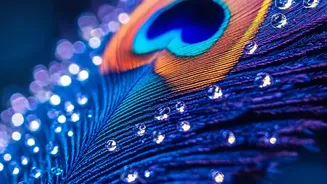
The choice of the peacock is deeply significant. Declared India’s national bird in 1963, the peafowl (Pavo cristatus) is woven into the fabric of the nation's culture, mythology, and art. In Hindu mythology, it is associated with deities like Lord Krishna, who wears its feather in his crown, and Kartikeya, the god of war, who uses it as his mount. It symbolises grace, beauty, pride, and prosperity. From the famous Peacock Throne of the Mughal emperors to motifs in textiles and temple carvings, the bird is a recurring icon of India's aesthetic and royal heritage. Gifting the national bird is, therefore, not merely a diplomatic courtesy but an offering of a living piece of India’s cultural soul.
Diplomacy Beyond Treaties
Connecting the 2026 gift to the 1981 precedent illustrates a consistent thread in India’s foreign policy: the use of cultural diplomacy to build and sustain relationships. Such gestures aim to create an atmosphere of goodwill where formal dialogue and negotiations can thrive. In a world of complex geopolitics, these acts of soft power communicate friendship and respect in a language that transcends politics. By reviving the peacock tradition, India reinforces its partnership with the United Nations and its commitment to international cooperation, using a symbol that is uniquely Indian yet universally appreciated for its beauty. The gesture serves as a quiet but powerful reminder that diplomacy is not only about treaties and summits but also about shared heritage and enduring symbols of peace.