

Start with Sustainable Materials
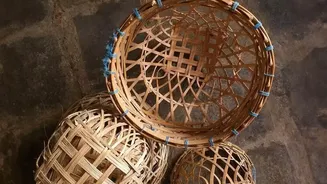
The journey to a sustainable basket begins with its fibers. Many of the most popular and beautiful baskets are made from fast-growing, renewable resources that are much kinder to the planet than plastic alternatives. Materials like seagrass, water hyacinth,
jute, rattan, and bamboo are excellent choices. Seagrass is harvested from coastal waters and is naturally durable. Jute is one of the strongest natural fibers, making it ideal for heavy-duty use, while water hyacinth is often harvested to clear waterways where it grows as an invasive species, turning an environmental problem into a beautiful solution. These natural materials are typically biodegradable, meaning they can return to the earth at the end of their long life.
Examine the Craftsmanship
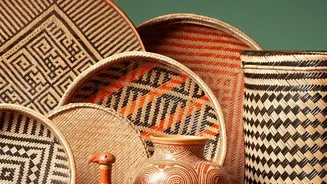
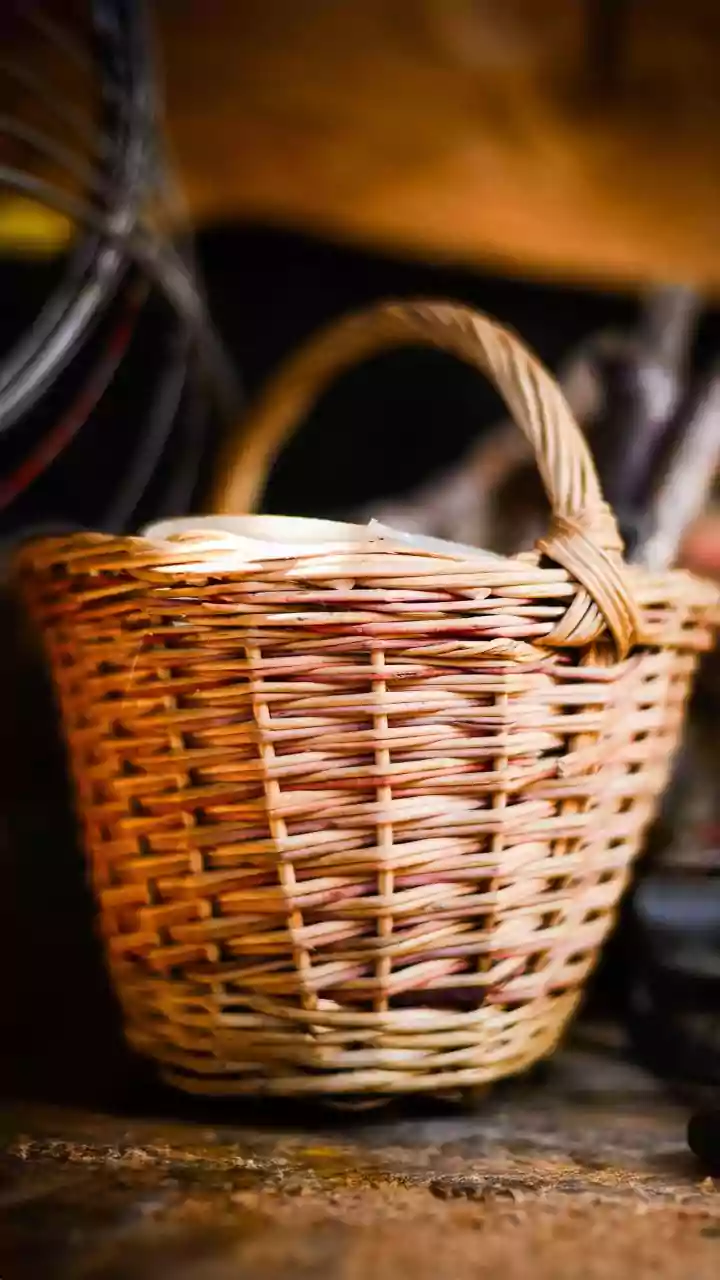
A well-made basket is a durable basket. When you're shopping, take a moment to inspect the quality of the weave. A high-quality basket will have a tight, consistent weave with no large gaps between the fibers. Run your hand over the surface; it should feel sturdy, not brittle or overly dry. Check the handles to ensure they are securely attached and feel strong enough to support the basket's intended weight. If the basket has a metal frame, it should be solid and rust-proof to help the basket maintain its shape over time. Small variations in color and texture are normal for handmade products and add to their unique character, but poor or broken weaving is a sign that the basket won't last.
Match Form to Function
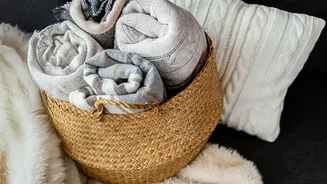
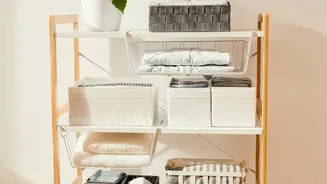
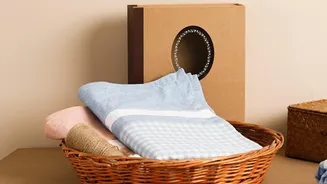
Before you buy, think about how you'll use the basket. Its purpose will dictate the best size, shape, and material. For storing heavy items like firewood, books, or pantry staples, choose a sturdy material like jute or a basket with a strong frame. For blankets and pillows in the living room, a larger, softer basket made of cotton or seagrass might be perfect. In bathrooms or kitchens where moisture is a factor, naturally moisture-resistant materials like seagrass are a practical choice. Lidded baskets are great for hiding clutter and can often be stacked to maximize vertical storage, while open baskets or those with handles work well as pull-out drawers on shelves.
Consider the Human Element
The story behind your basket matters. Many beautiful woven baskets are handmade by artisans in communities where weaving is a traditional skill passed down through generations. By choosing products from brands that are transparent about their supply chains, you can support these craftspeople. Look for Fair Trade certifications or information about ethical production. Fair Trade practices ensure that artisans receive fair wages and work in safe conditions, transforming your purchase into a meaningful investment in their livelihoods and communities.
Care for Your Investment
With the right care, a natural fiber basket can last for many years. The most important rule is to keep it dry, as excessive moisture can lead to mold or cause the fibers to weaken. Keep baskets out of prolonged, direct sunlight, which can cause the colors to fade and the fibers to become brittle. For cleaning, regular dusting with a soft brush or the brush attachment of a vacuum is usually all that's needed. If a spill occurs, blot it quickly with a damp cloth and allow the area to air dry completely. Avoid harsh chemical cleaners, which can damage the natural fibers.