







The Ultimate Packed Lunch
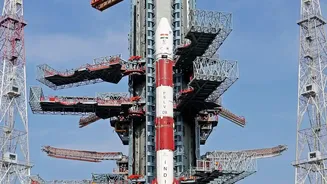
For India's ambitious Gaganyaan human spaceflight mission, every detail is critical, but few are as relatable as the question of what the astronauts will eat. Sending humans into orbit requires solving immense challenges, and food is one of the most complex.
The meals must be safe to consume for the entire mission duration, which could be months long, all without the benefit of refrigeration. In the microgravity environment of a spacecraft, food must also be easy to handle, producing minimal crumbs that could float away and damage sensitive equipment. Above all, it must provide complete nutrition to keep the crew healthy and high-performing in the demanding conditions of space.
Science on the Menu
The task of creating this space-age menu falls to the Mysuru-based Defence Food Research Laboratory (DFRL), an institution with decades of experience developing specialized food for the Indian armed forces. They are the architects behind the ready-to-eat meals that sustain soldiers in harsh conditions, and they are now applying that expertise to the final frontier. The primary technology used is 'retort processing'. Food is sealed in multi-layered pouches and then heated under pressure to a temperature high enough to sterilise it completely, killing any microorganisms that could cause spoilage. This process ensures the food remains stable and safe at ambient temperatures for a very long time, often up to two years. This technology allows a wide variety of dishes to be preserved without compromising too much on taste and texture.
A Taste of Home in Orbit
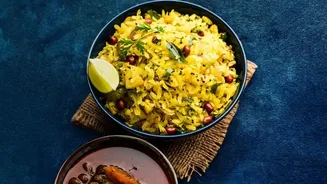
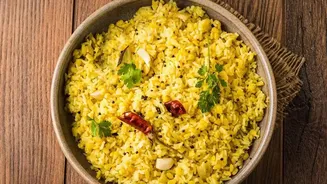
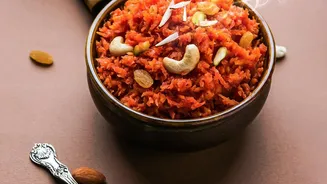
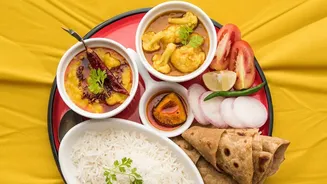
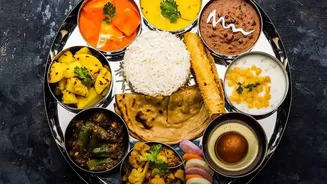
The menu developed by DFRL, in collaboration with organisations like the National Institute of Nutrition (NIN), is a delightful tour of Indian comfort food. Early lists included familiar favourites like vegetable pulao, egg rolls, idli with sambar, and moong dal halwa. The goal is to provide Indian astronauts, or 'Vyomnauts', with a taste of home. The menu is extensive, with over two dozen items developed, including chicken biryani, khichdi, and various rolls. These aren't just standard recipes; they are meticulously engineered for space. The meals are mildly spiced, as the sense of taste can be altered in microgravity, but they come with optional spice sachets for those who want an extra kick. Special containers have also been designed to help astronauts drink liquids like water and juice in zero gravity.
More Than Just Sustenance
Providing familiar, palatable food is about more than just nutrition; it's a crucial factor for psychological well-being. On long, isolating missions, a meal like chicken korma or vegetable biryani can be a powerful comfort, boosting morale and reducing the stress of living in a sterile, high-tech environment. Astronauts often experience 'menu fatigue', getting tired of even their favourite foods over time, so variety is key. This psychological anchor to their culture and home is considered a vital component of mission success. Recent experiences from Indian-origin astronauts have reinforced this; after weeks in orbit, cravings for salty and spicy Indian flavours become common, highlighting the deep connection between food, comfort, and identity.
The Zero-Gravity Dining Challenge
The engineering doesn't stop with the food itself. The entire dining experience is redesigned for zero gravity. Food must be packaged to be lightweight, compact, and easy to handle. It's often in paste or semi-solid forms to prevent it from floating away. Liquids are consumed from special sachets with straws. Even the packaging is high-tech, designed to be easy to open while preventing spills and contamination. Food heaters are provided so the astronauts can enjoy a warm meal, a simple comfort that makes a world of difference when you are 400 kilometres above Earth. It is a system where science, nutrition, and psychology come together to make life in space not just possible, but pleasant.