


Why Bother with Compost?
Compost is much more than just a fertilizer. It's a soil conditioner teeming with life. When you add mature compost to your potting mix, you're introducing a host of benefits. It provides a slow-release source of essential nutrients like nitrogen, phosphorus,
and potassium, feeding your plants steadily over time. Beyond nutrition, compost improves the structure of your mix, helping it retain moisture—a huge plus for thirsty container plants that can dry out quickly on a sunny balcony. This 'sponge' effect means you might water less often. It also introduces beneficial microorganisms that can help suppress plant diseases and pests, creating a healthier overall ecosystem for your potted plants.
The Container Conundrum
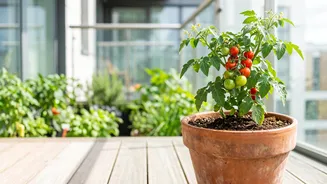
A garden bed is an open system, but a pot is a closed one. This is the single most important concept for an apartment gardener to grasp. In a garden, excess water drains away into the surrounding earth, and an entire ecosystem of worms and microbes helps integrate organic matter. In a pot, there's nowhere for excess water to go. If your potting mix is too dense, it becomes a soggy mess, starving roots of oxygen and inviting root rot. Using too much compost is a primary cause of this problem. While compost helps with moisture retention, an excessive amount can lead to compaction, reducing air space and creating poor drainage. The goal is to find a sweet spot that balances moisture retention with the critical need for aeration.
Getting the Ratio Right
More is not better when it comes to compost in containers. The most common mistake gardeners make is using too high a percentage, leading to the compaction and drainage issues mentioned above. Most experts and university extension programs recommend that compost should make up no more than 25-30% of your total potting mix volume. For general purposes, a reliable recipe is two parts standard potting mix to one part compost. Another popular blend is approximately one-third mature compost, one-third peat moss or coco coir (for moisture retention), and one-third perlite or coarse sand (for drainage and aeration). For plants that prefer drier conditions, like succulents, you should use even less compost—around 10%.
Choosing the Right Kind of Compost
Not all compost is created equal. It's crucial to use fully finished, mature compost. Unfinished compost is still actively decomposing, a process that can 'steal' nitrogen from your soil and harm plant roots. Finished compost should look and smell like rich, dark earth, with no recognizable food scraps. For apartment dwellers, buying bagged compost is the most convenient option. Look for products specifically intended for use in pots, which are often finer in texture. Vermicompost, or worm castings, is another excellent choice; it's nutrient-dense and has a great texture for container mixes. Avoid using heavy, un-composted animal manures, as they can be too high in salts and may burn sensitive plant roots in the confined space of a pot.
Common Mistakes to Avoid
To ensure success, steer clear of a few common pitfalls. First, never use 100% compost as your potting medium. While some very specific crops might tolerate it, for most plants it will compact severely, choke the roots, and retain far too much water. Second, don't use garden soil in your pots, even if mixed with compost. Garden soil is heavy, not sterile, and compacts easily in a container, bringing the same problems of poor drainage and aeration. Finally, remember to refresh your mix. The organic matter in compost breaks down over time. At the start of each growing season, it's a good practice to gently replace the top few inches of your container's soil with a fresh compost-amended mix or to fully re-pot the plant if it has outgrown its home.