






The Real Cost of Convenience
The convenience of food delivery apps comes at a significant cost, both to your finances and the environment. In India, a single person can easily spend thousands of rupees a month on takeaway meals, with dishes at casual restaurants often priced between
₹250 and ₹400. Over a year, this adds up to a substantial sum that could be better used elsewhere. Beyond the expense, there's the issue of food waste. Indian households are estimated to generate around 78.2 million tonnes of food waste annually. This translates to approximately 55 kg of food wasted per person each year. When you throw away food, you're also wasting the water, energy, and labour that went into producing and transporting it. Adopting a meal prep routine is a direct and effective way to tackle both of these problems head-on.
Getting Started: A Simple Plan
The idea of meal prepping can seem intimidating, but it doesn't have to be. Start small. You don't need to prepare a full seven days of meals at once. Begin by planning and prepping for just two or three days a week. Choose a dedicated time, like a Sunday afternoon, to do your cooking. First, decide what you want to eat for the next few days. Check your pantry and fridge to see what you already have. Then, make a detailed shopping list with only the ingredients you need to complete those meals. This prevents impulse buys and the accumulation of groceries that eventually go bad. Sticking to a list is one of the most effective ways to control your food budget and reduce waste before it even starts.
Smart Cooking for Indian Kitchens
Meal prep is perfectly suited to Indian cuisine. The key is to focus on components you can cook in batches and assemble later. Prepare a large batch of a base gravy, like a simple onion-tomato masala. This can be refrigerated or frozen and later used to quickly make a variety of curries with different vegetables or proteins. Cook a large quantity of staples like plain rice, dal, or chickpeas. These can be portioned out for several meals. Pre-chopping vegetables like onions, carrots, and beans and storing them in airtight containers can also save you a huge amount of time on busy weekdays. This component-based approach allows for flexibility while still giving you a significant head start on your daily cooking.
Keep It Interesting, Keep It Fresh
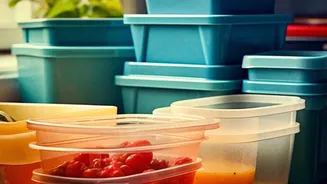
One of the biggest complaints about meal prepping is the potential for boredom. Nobody wants to eat the exact same meal four days in a row. The solution is to introduce variety through sauces, spices, and fresh toppings. The base components—like grilled chicken, paneer, or boiled eggs—can remain the same, but you can change the flavour profile completely. One day, pair your protein with a mint chutney and a kachumber salad. The next, use it in a wrap with a spicy sauce. Leftover dal can be used to make parathas for breakfast. Proper storage is also crucial for keeping your prepped food appealing. Invest in good-quality airtight containers to maintain freshness and prevent your fridge from becoming a jumble of half-used ingredients.