

The Origin Story: A South American Tuber Arrives in India
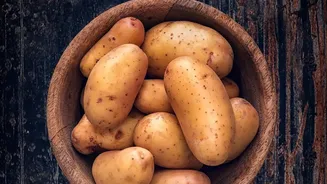
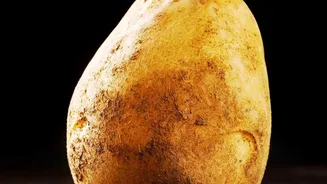
Before becoming a staple from Punjab to Tamil Nadu, the potato, or 'aloo', was a foreigner. Native to the Andes mountains in South America, it was first domesticated thousands of years ago. European traders, primarily the Portuguese, introduced the tuber
to India in the 17th century, planting it along the western coast. Initially met with suspicion, it was the British who later promoted its cultivation widely, recognising its value as a hardy, high-yield crop that could grow in diverse climates. They encouraged its farming in northern hill stations and the Indo-Gangetic plains, and from there, the potato began its conquest of Indian kitchens. Today, it’s hard to imagine our culinary landscape without it, with India being the world's second-largest potato producer.
West Bengal: The Subtle Comfort of Aloo Posto
In West Bengal, the potato is not just a vegetable; it’s a staple, almost on par with rice. Nothing captures its significance better than Aloo Posto, a classic dish showcasing Bengali culinary minimalism. Cubed potatoes are gently simmered in a creamy, nutty paste of ground white poppy seeds (posto), seasoned with little more than mustard oil, green chillies, and nigella seeds. The dish has its roots in the region's historic poppy cultivation. Unlike the complex spice blends found elsewhere, Aloo Posto’s magic lies in its simplicity, allowing the earthy flavour of the potato and the delicate taste of poppy seeds to shine. It is a quintessential comfort food, typically enjoyed with steamed rice and dal.
Uttar Pradesh: The Heart of India's Potato Belt
As India's largest potato-producing state, Uttar Pradesh is the engine room of the country's potato supply, accounting for over a third of the national output. Agra division is the epicentre of this production. The fertile plains and cool winters are perfect for cultivating popular varieties like Kufri Bahar. This abundance is reflected in the state's cuisine. UP has given us iconic street food like Aloo Tikki, where spiced mashed potatoes are formed into patties and fried until crisp. It's also home to comforting curries like Dum Aloo and the simple, everyday Jeera Aloo, where cumin seeds and potatoes create a dish beloved in countless households. The state is also set to host a regional centre for the International Potato Centre, further cementing its importance.
Maharashtra: The Star of Street Food
In Maharashtra, the potato, or 'batata', is the undisputed king of street food. The most famous example is the Vada Pav, Mumbai's signature snack. It features a golden-fried Batata Vada—a spiced mashed potato ball coated in a chickpea flour batter—tucked inside a soft bread roll, often accompanied by spicy chutneys. The term 'batata' itself is a linguistic gift from the Portuguese, who first introduced the tuber to the western coast. Beyond Vada Pav, the potato stars in Batata Bhaji, a simple but flavourful stir-fry tempered with mustard seeds and curry leaves, which serves as a side dish or a filling for other snacks like Misal Pav.
The South: Masala Dosa's Essential Partner
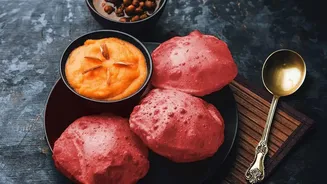
While rice and lentils dominate southern cuisines, the potato found its place as a beloved supporting actor, most famously as the filling for Masala Dosa. Known as Aloo Masala or Potato Palya, this mild, savoury mixture of boiled and mashed potatoes, tempered with mustard seeds, curry leaves, onions, and turmeric, is the perfect complement to the crispy fermented crepe. The potato’s ability to absorb spices and provide a soft, satisfying texture made it an ideal filling. Variations of this simple potato preparation are found across the southern states, served with puris, chapatis, or simply as a side dish with rice and sambar, proving its versatility even in regions where it wasn't a traditional staple.