




An Industry Gathers in Bengaluru
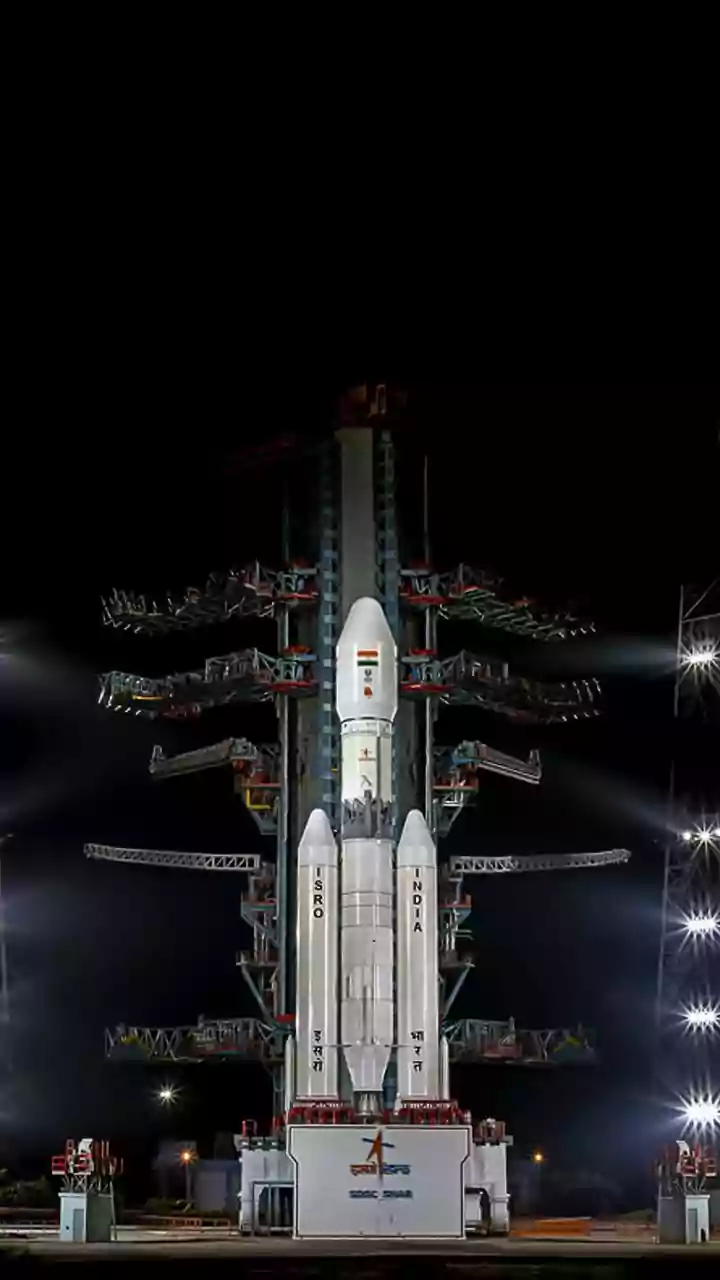
The International Conference on Spacecraft Mission Operations (SMOPS-2026) recently brought together the world's leading minds in space technology. Jointly organised by ISRO, the Astronautical Society of India (ASI), and the International Academy of Astronautics
(IAA), the event underscored a pivotal industry trend: the move towards smart, sustainable, and highly automated mission management. Key sessions focused on everything from AI-driven ground systems to robotics and interplanetary exploration. The presence of major agencies like NASA and ESA alongside a burgeoning private sector signaled a consensus: automation is no longer a futuristic concept but a present-day necessity for managing complex satellite constellations and ambitious deep-space journeys.
The Irresistible Pull of Autonomy
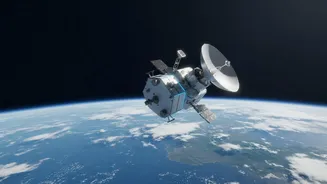
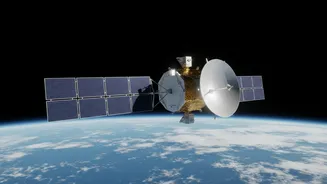
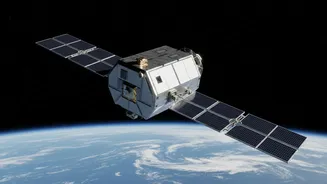
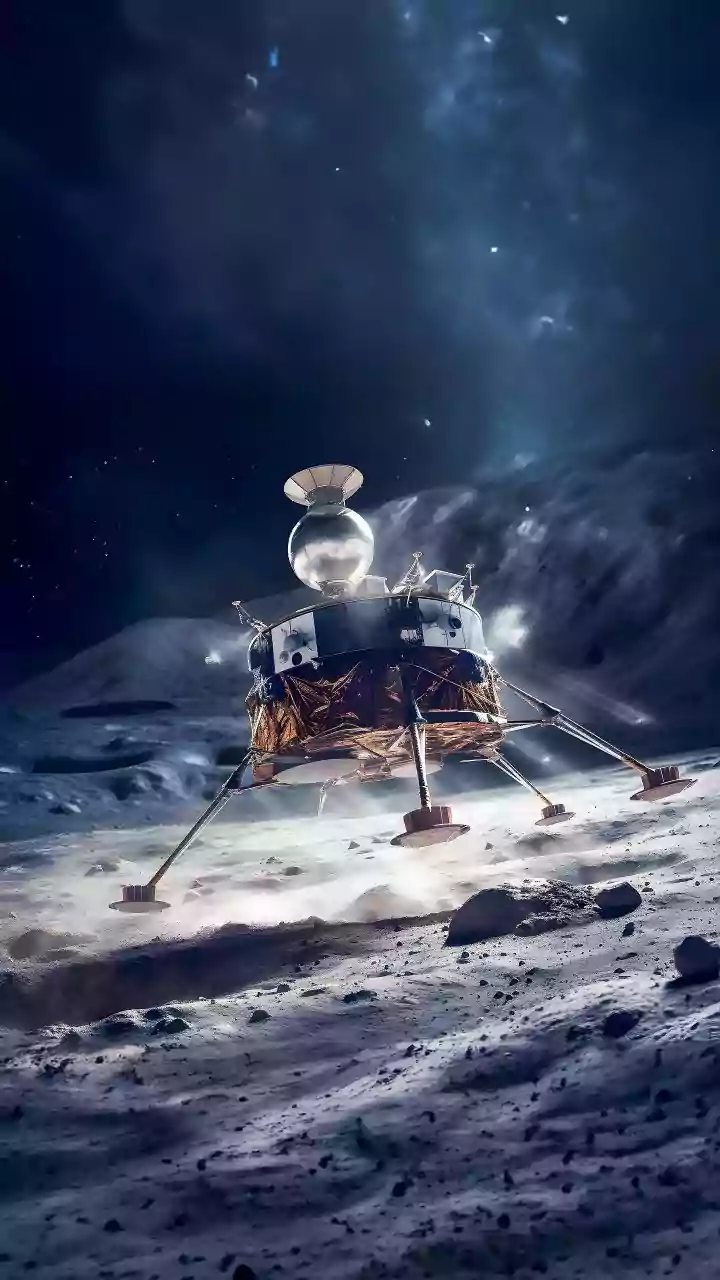
The push for autonomous spacecraft is driven by clear-eyed pragmatism. Firstly, it promises significant cost reductions. Automating routine operations and data analysis reduces the need for large, 24/7 ground crews, a major operational expense. Secondly, for deep-space missions to Mars and beyond, autonomy is not a luxury but a necessity. Communication delays can range from minutes to hours, making real-time human control impossible. An autonomous system can react instantly to unforeseen challenges, from navigating asteroid fields to identifying transient scientific phenomena. Finally, with the rise of massive satellite constellations, automation is the only feasible way to manage hundreds or thousands of spacecraft simultaneously, handling tasks like collision avoidance and orbit maintenance.
The Ghost in the Machine
Despite the benefits, handing over control carries substantial risks. The primary challenge is trust and verification. How can we be certain an AI will behave as expected in the harsh, unpredictable environment of space? A software bug or an unforeseen sensor error could lead to catastrophic failure, as infamously demonstrated by the Ariane 5 launch failure, which was caused by a software error. Cybersecurity is another major concern; an autonomous spacecraft could be a tempting target for cyberattacks, potentially allowing malicious actors to manipulate its operations. Moreover, there is the risk of “over-automation,” where complex systems make decisions that, while technically correct, lack the nuanced judgment a human operator could provide in a novel crisis. This has led to a growing call for rigorous testing and validation protocols before deployment.
Finding the 'Human-in-the-Loop' Balance
The most promising path forward appears to be a hybrid model known as “human-in-the-loop” (HITL) autonomy. This approach leverages AI for what it does best—processing vast datasets, monitoring systems, and executing routine tasks—while keeping human operators in a supervisory role for critical decisions. Instead of replacing human intuition, AI becomes a powerful assistant. NASA and other agencies are actively developing and testing these systems, ensuring that even as spacecraft become more independent, a human retains ultimate authority. This model allows operators to manage a larger number of assets—a concept called “fan out”—making large constellations more economically viable while retaining crucial oversight. The goal is not to remove humans from the equation, but to elevate their role from minute-to-minute controllers to strategic supervisors.