

The Core Difference: Porosity
The most significant distinction between terracotta and plastic lies in one word: porosity. Unglazed terracotta is made from natural clay, which is porous. This means air and water can pass through the walls of the pot. This 'breathing' action allows
for excellent air circulation to the plant's roots, which helps prevent root rot and other fungal diseases caused by waterlogged soil. In contrast, plastic is non-porous. It creates a sealed environment where water can only escape through the drainage holes at the bottom. This fundamental difference impacts everything from your watering schedule to the types of plants that will thrive.
Water Retention and Your Watering Habits
Because terracotta pots are porous, the soil within them dries out much faster. Water evaporates not just from the surface but through the pot itself. This is a huge advantage for plants that prefer dry conditions, like succulents, cacti, and many herbs. It's also a great choice for gardeners who have a tendency to overwater. However, especially during hot Indian summers, this means you will need to water your plants far more frequently. Plastic pots, on the other hand, retain moisture for much longer. This is ideal for moisture-loving plants like ferns and peace lilies, or for gardeners who sometimes forget to water. The risk with plastic is keeping the soil too wet, which can easily lead to root rot if you're not careful.
Heat Management in the Sun
On a sun-drenched balcony, heat is a major factor. Terracotta has an edge here. As water evaporates from its porous surface, it has a natural cooling effect on the soil and roots. The thick clay walls also provide better insulation from sudden temperature spikes. Plastic pots, especially dark-coloured ones, can act like solar collectors, absorbing heat and potentially 'cooking' the roots on a hot afternoon. This can lead to wilting and stunted growth. If you use plastic pots in a very sunny spot, choosing lighter colours that reflect heat is a wise move.
Weight, Durability, and Placement
Terracotta pots are significantly heavier than plastic ones. This weight provides stability, making them an excellent choice for taller, top-heavy plants that might otherwise tip over in the wind. However, their weight can be a drawback for balcony gardens with strict weight limits, or for people who like to move their plants around frequently. Terracotta is also fragile and can crack or shatter if dropped or exposed to extreme temperature shifts. Plastic is lightweight, making it easy to handle and rearrange. It's also far more durable and won't break if knocked over, although some cheaper plastics can become brittle and fade with prolonged sun exposure.
Aesthetics, Cost, and Environmental Impact
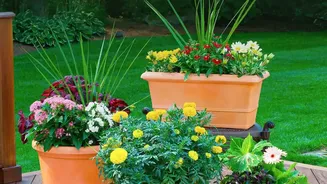
Aesthetically, many gardeners prefer the classic, earthy look of terracotta, which develops a beautiful patina over time. Plastic pots offer a far wider variety of colours, shapes, and modern designs, and can even mimic the look of terracotta. In terms of cost, plastic is almost always the cheaper option, especially for larger sizes. High-quality terracotta can be an investment. Environmentally, terracotta has an advantage as it is a natural, biodegradable material. While plastic is petroleum-based, many modern pots are made from recycled materials, so it's worth checking the label.