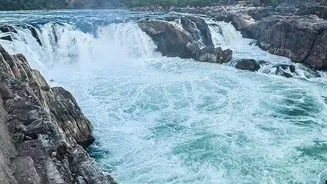








A Deluge Across the Border
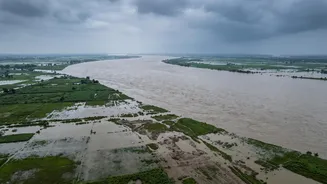
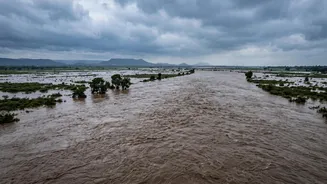
On August 26, a sudden and ferocious flash flood, likely triggered by a massive ice-rock avalanche in the Himalayas, tore through north-central Nepal. The disaster swept away villages, destroyed bridges and hydropower projects, and left hundreds dead
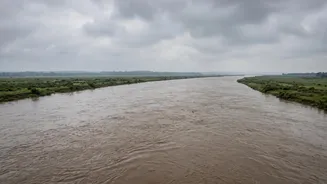
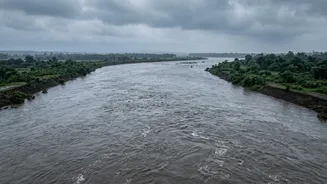
with many more missing in the Bhote Koshi and Trishuli river systems. Because these Himalayan rivers don't recognise political maps, the deluge quickly became a cross-border concern. The floodwaters surged downstream into the Narayani River, which becomes the Gandak River upon entering India, prompting high alerts in the bordering states of Bihar and Uttar Pradesh. As a precaution, authorities in Bihar opened all 36 gates of the Gandak Barrage at Valmiki Nagar to manage the surge of water.
Rivers That Bind and Divide
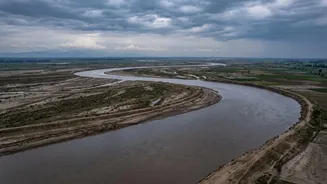
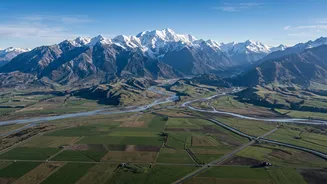
India and Nepal are connected by a vast network of rivers like the Kosi, Gandak, and Mahakali, which originate in the Himalayas and flow south into the Gangetic plains. These rivers are the lifeline for millions, crucial for irrigation, drinking water, and increasingly, hydropower generation. While they represent a shared natural heritage and resource, they are also a persistent source of diplomatic friction. For India, particularly for states like Bihar, which is often called the "sorrow of India" due to flooding from the Kosi river, cooperation with Nepal is not just a policy choice but a necessity for survival and economic stability. Nepal, as the upper riparian country, has significant leverage, while India, as the lower riparian giant, feels the immediate impact of events unfolding upstream.
A Trust Deficit Over Data
A central point of contention in the relationship is the sharing of real-time hydrological data—information on rainfall, water flow, and river levels. For India, this data is critical for accurate flood forecasting and giving downstream communities precious time to evacuate. However, a historical legacy of mistrust often complicates this exchange. Nepal has sometimes perceived India's requests for data as an infringement on its sovereignty and has been wary of agreements it feels are skewed in India's favour. While mechanisms for data sharing exist, their effectiveness is frequently tested during extreme weather events. The increasing frequency of such events due to climate change, which makes Himalayan glaciers unstable and weather patterns erratic, has made robust and transparent data sharing more urgent than ever.
Old Treaties and Lingering Grievances
The framework for managing these shared waters rests on several decades-old treaties, including the Kosi Agreement (1954), the Gandak Agreement (1959), and the Mahakali Treaty (1996). However, these agreements have been plagued by controversy since their inception. Many in Nepal feel these pacts have disproportionately benefited India, ceding too much control over Nepal's most valuable resource without delivering promised benefits in irrigation and power. India, on the other hand, often points to the over-politicisation of water issues within Nepal as a reason for delays in project implementation. For instance, the ambitious Pancheshwar Multipurpose Project on the Mahakali River, a key part of the 1996 treaty, has remained stalled for over two decades due to disagreements over interpretation and benefit-sharing.
Infrastructure, Silt, and Mutual Blame
The physical infrastructure built to manage these powerful rivers, such as barrages and embankments, is another source of friction. Nepal has often complained that structures built by India along the border cause waterlogging and flooding on its side. Conversely, Indian officials, particularly in Bihar, regularly raise concerns about the massive amount of silt that flows down from Nepal, which raises riverbeds and exacerbates flooding. The maintenance of embankments and canals is a constant subject of bilateral meetings, with both sides trading accusations of encroachment and neglect. These operational issues, combined with the larger strategic mistrust, create a difficult environment for long-term, cooperative flood management, even as both nations dispatch aid and offer support in the immediate aftermath of a disaster.