


A New Weave of Collaboration
There's a tangible buzz around Indian handlooms, and it's not just about preserving the past. A dynamic movement is gaining momentum, built on strategic partnerships between designers and artisan clusters across the country. This isn't merely about occasional
collections; it's a structured, design-led approach to make handwoven textiles commercially competitive and culturally resonant. Recent government-backed initiatives, like the National Handloom Designers' Conclave in 2026, have actively brought policymakers, designers, weavers, and retailers together to strengthen this ecosystem. The goal is to fuse the unparalleled skills of weavers with contemporary design sensibilities, creating products that appeal to a modern global consumer.
The Designer as a Modern-Day Bridge
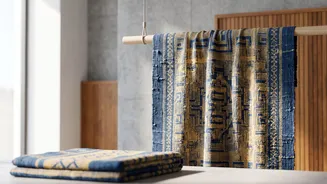
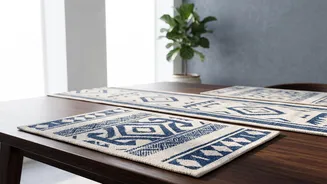
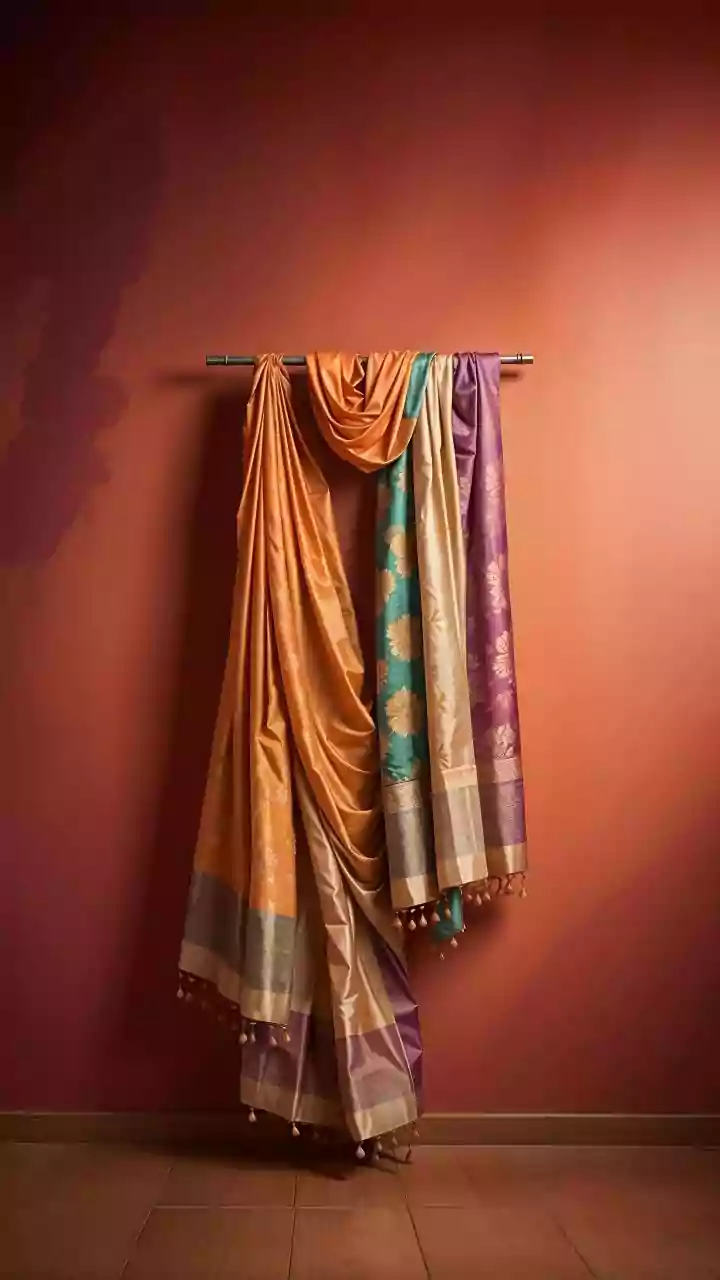
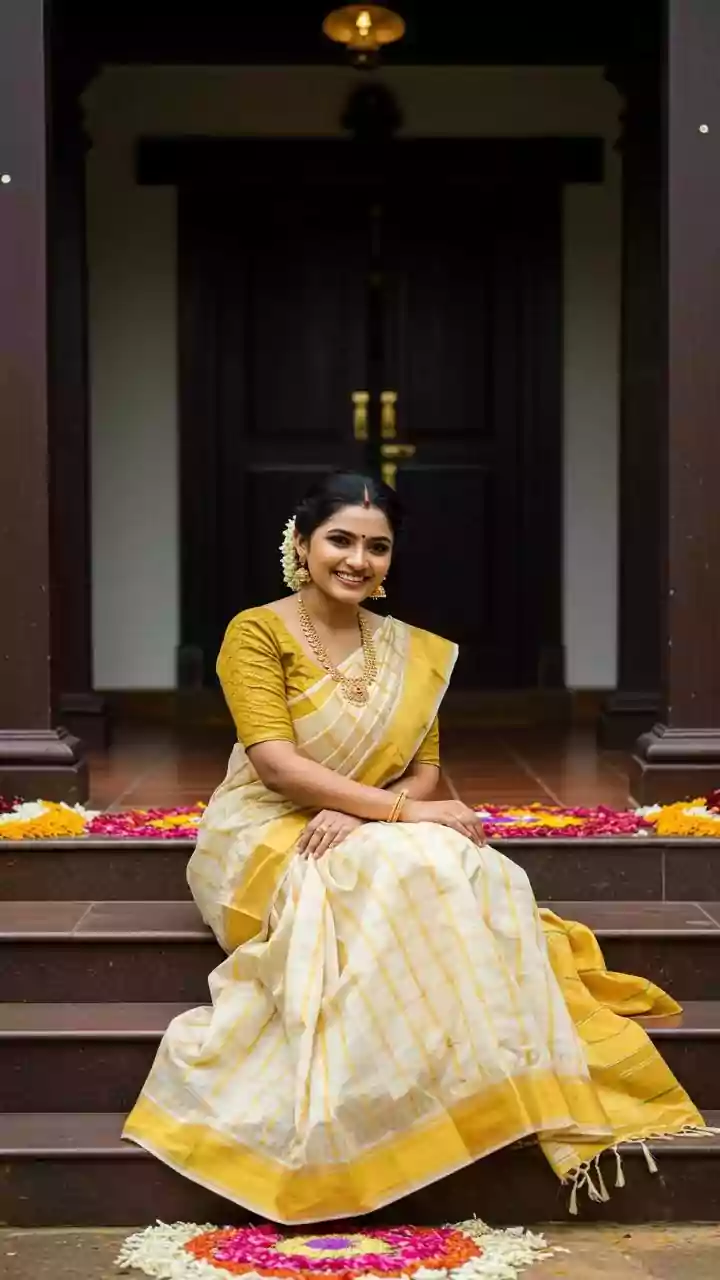
In this evolving landscape, designers are playing a role far greater than just that of a creator. They are acting as crucial bridges, connecting rural weaving communities with urban and international markets. This involves more than just aesthetics; it's about co-creating products by providing input on color palettes, contemporary silhouettes, and functional designs that meet modern demands. Labels like NorBlack NorWhite and Ekaya Banaras are successfully reinterpreting traditional weaves like Ikat and Banarasi silk into streetwear and fashion-forward pieces, proving that heritage can be undeniably cool. This process helps in creating higher-value products, ensuring that the financial benefits flow back to the artisans who are the custodians of these ancient skills.
Empowering Artisans and Sustaining Skills
For the millions of artisans who form the backbone of this sector, these collaborations offer more than just income; they promise sustainable livelihoods. By providing consistent work and fair wages, these partnerships help counter the economic pressures that force many weavers to abandon their ancestral profession. Brands that build direct relationships with weaving clusters report greater autonomy and pride among artisans, who are involved in the development of new designs and techniques. This direct engagement ensures that skills are not only preserved but also evolve, securing their relevance for future generations. Government schemes providing support for raw materials, loans, and modern looms further bolster this ecosystem, aiming for long-term stability for weaving communities.
The Rise of the Conscious Consumer
This push from the supply side is meeting a powerful pull from consumers. Globally, there is a growing backlash against fast fashion and a rising demand for products that are sustainable, ethical, and authentic. Handloom textiles, with their negligible carbon footprint and deep cultural stories, are perfectly positioned to meet this need. Today's buyers, particularly younger generations, value provenance and transparency; they want to know the story behind their clothes. Digital platforms and e-commerce have been instrumental in this, allowing artisans and brands to connect directly with a global audience and share the narrative of their craft.