





The New 'Warning Label' Proposal
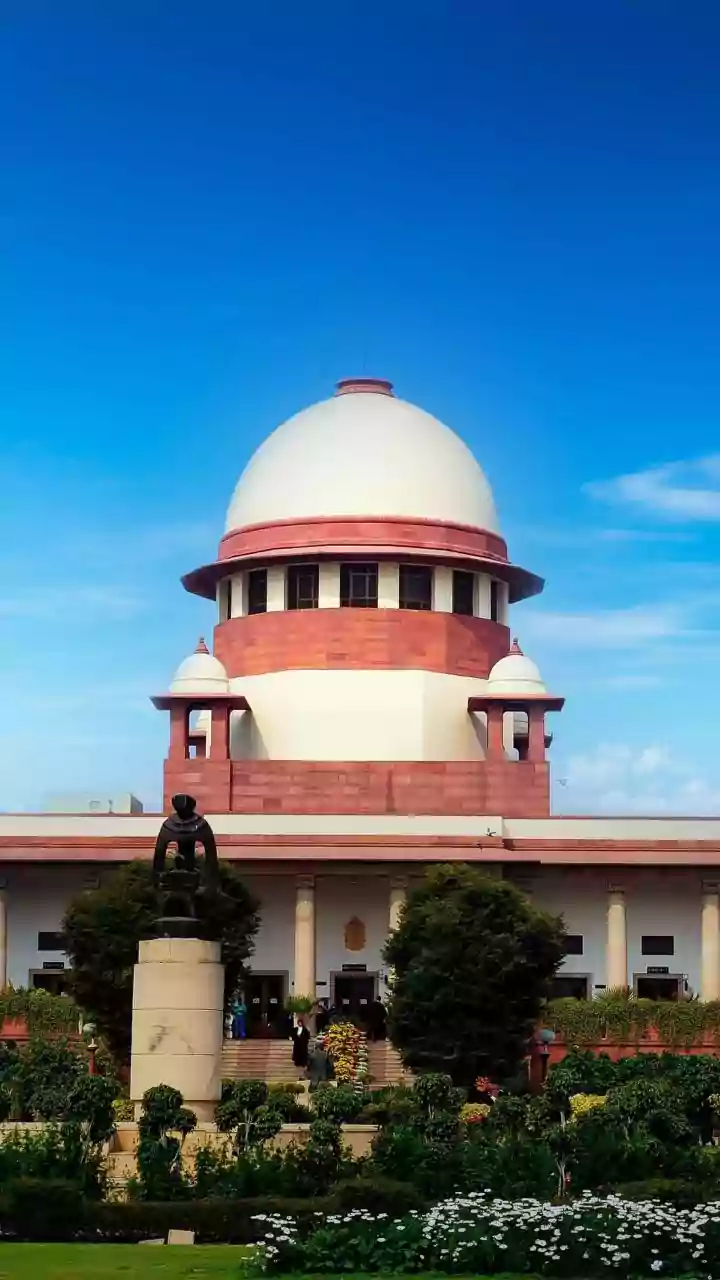
The most significant recent development is a proposal from the Food Safety and Standards Authority of India (FSSAI) to introduce mandatory front-of-pack warning labels. In an affidavit to the Supreme Court in late August 2026, the FSSAI proposed a red,
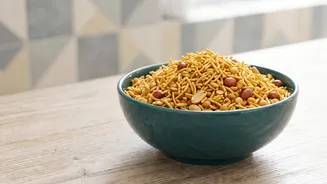
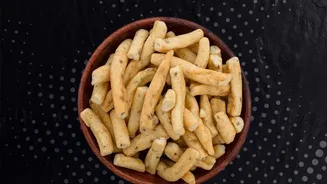
hexagonal symbol to alert consumers if a product is high in added sugar, saturated fat, or salt. This move aims to provide a simple, at-a-glance signal about the health profile of packaged foods, including the vast array of namkeen and bhujia that are staples in many Indian households. The proposal follows years of debate and a push from the Supreme Court to prioritize consumer health by making nutritional information more transparent.
What Triggers a Warning?
According to the FSSAI's proposal, the new warnings would be implemented in phases. Initially, a red label would be required on products that exceed the specified thresholds for two or more of the concerning nutrients: added sugar, saturated fat, and salt. In a later phase, this would extend to products high in even a single one of these nutrients. However, this phased approach has drawn criticism from health experts, who argue that it creates a loophole, allowing some unhealthy products to escape immediate scrutiny. The specific thresholds are based on the 2024 Dietary Guidelines for Indians from the ICMR-National Institute of Nutrition.
Impact on Namkeen Manufacturers
The proposed regulations have caused significant concern among snack manufacturers. The Federation of Sweets and Namkeen Manufacturers, representing thousands of members, has expressed that salt, sugar, and fat are integral to the taste and formulation of many traditional products. They fear that a large number of their products could end up with red warning labels, which might negatively affect consumer perception and demand. One of the key points of contention is the proposal to use 100 grams as the benchmark for measuring nutrient levels, which the industry argues doesn't reflect typical, smaller serving sizes of snacks like pickles or namkeen.
Recent Enforcement and Hygiene Scrutiny
Beyond labelling, FSSAI has also been actively enforcing existing hygiene and safety standards. In a notable action in early September 2026, the FSSAI directed CG Foods India to halt the production of its 'veg bhujia namkeen' at a facility in Ajmer, Rajasthan. The inspection uncovered serious violations, including unlicensed manufacturing of certain bhujia variants, hygiene deficiencies, and the reprocessing of noodles that had been collected from the floor. The regulator seized over 32,000 kg of stock and initiated legal proceedings, highlighting a renewed focus on ensuring the entire production process for these snacks is safe and compliant.
What This Means for You, the Consumer
These changes are ultimately aimed at empowering you to make healthier choices. The proposed red warning labels will make it easier to quickly identify snacks that are high in salt, sugar, and saturated fat. While the final rules are still under consideration by the Supreme Court, with a hearing scheduled for September 10, 2026, the direction is clear: greater transparency is coming. Until the new labels are mandatory, you can continue to be a mindful consumer by checking the existing nutritional information on the back of the pack. Pay close attention to the levels of sodium (salt), added sugar, and saturated fat to better understand what you are consuming.