





The dream of a homegrown airline for Kerala, driven by the people and for the people, has been reignited. In late October 2026, the state government approved a proposal for a cooperative-sector airline, but this is far from the first time such an idea
has taken flight.
The Cooperative Vision: 'Co-Keralam'
The latest proposal, tentatively named 'Co-Keralam', aims to be India's first airline operating under a cooperative model. The announcement was made by Kerala Chief Minister V.D. Satheesan, who positioned the venture as a testament to the strength of the state's cooperative sector. The project is set to be led by C.N. Vijayakrishnan, a respected figure associated with the successful MVR Cancer Centre. The ambitious plan involves raising around ₹400 crore by having approximately 200 cooperative societies invest ₹2 crore each, a model inspired by the public-private partnership success of Cochin International Airport (CIAL). The stated goal is to operate without direct financial aid from the state government, creating a truly community-funded enterprise.
Proposed Routes and Fleet
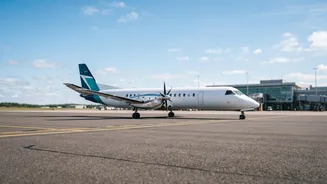
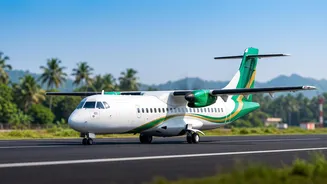
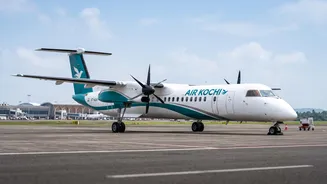
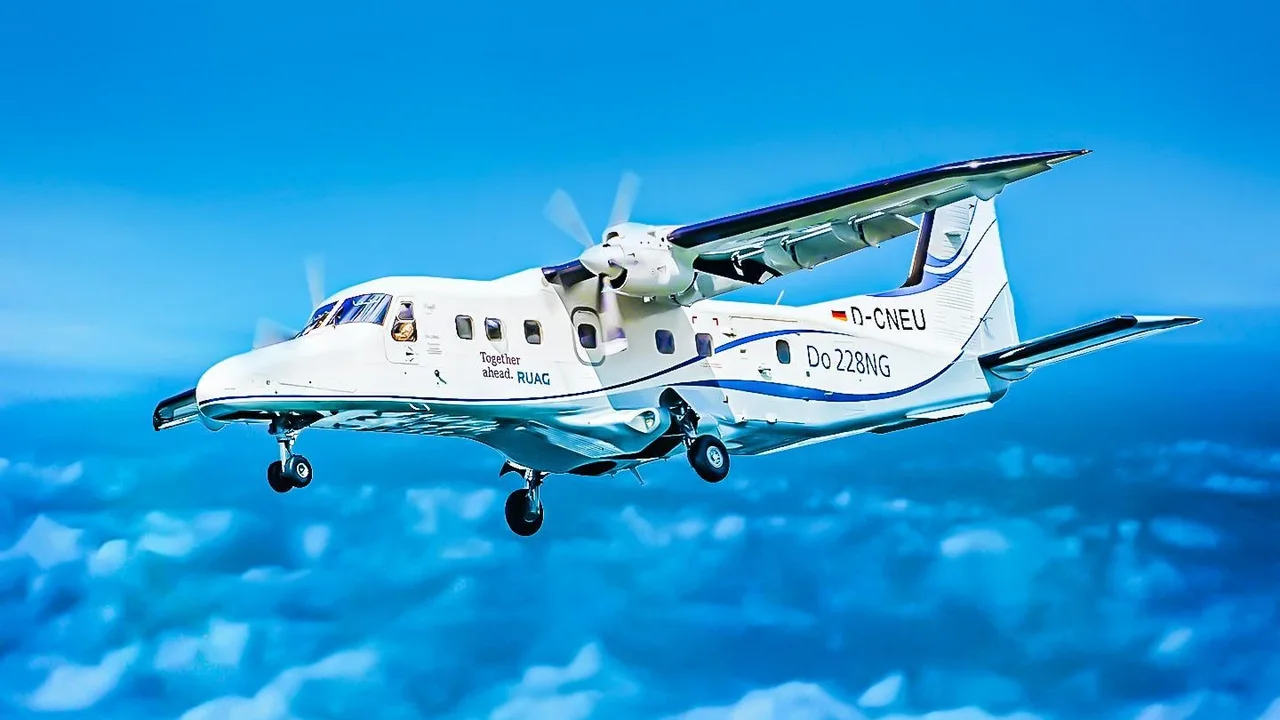
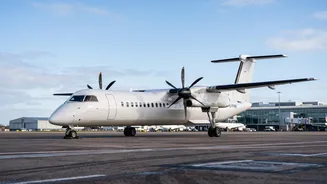
The initial plan for Co-Keralam is to begin operations from a hub in Kochi, leasing two 72-seater aircraft. The proposed network focuses on regional connectivity, linking Kochi with destinations within Kerala like Kozhikode and Kannur, as well as major South Indian cities including Bengaluru, Chennai, Mangaluru, Coimbatore, and Madurai. Proposed fares are expected to range from ₹3,500 to ₹7,000, aiming to offer an affordable alternative for regional travel. The vision is to eventually expand the fleet to four and then six aircraft, growing the network as the airline establishes itself. This plan, however, remains a proposal, with no commercial flights having started or concrete operational timelines announced.
A History of Stalled Dreams
While the recent announcement brings fresh hope, the concept of 'Air Kerala' is a long-cherished dream that has faced repeated setbacks for nearly two decades. The idea was first floated around 2005-2006, primarily to offer affordable flights for the vast number of Keralites working in the Gulf. Over the years, various private and state-backed proposals have emerged, some even securing a No-Objection Certificate (NOC) from the Directorate General of Civil Aviation (DGCA) and an official airline code. However, none have successfully launched commercial operations. The path to the runway is littered with formidable obstacles that have grounded these ambitions time and again.
The Immense Challenges Ahead
Launching an airline in India is a monumental task, and the new cooperative venture faces the same hurdles that stalled its predecessors. Strict regulatory requirements from the DGCA are a major factor. Historically, rules requiring a large fleet and years of domestic service before flying internationally were a key barrier, and though some rules have changed, significant regulatory hoops remain. Beyond regulation, the financial and logistical challenges are immense. Securing aircraft is a primary bottleneck, with a global shortage of planes and stringent leasing terms making it difficult for new entrants. Lessors have become particularly cautious with the Indian market after previous airline failures, often demanding huge upfront payments. Furthermore, the airline will have to compete in a notoriously price sensitive market against established carriers, making profitability a steep climb.