





Cooking: Not Always the Enemy
The debate between raw and cooked vegetables is a common one. While it's true that cooking, especially boiling, can reduce levels of water-soluble nutrients like Vitamin C and some B vitamins, it's not the whole story. Heat can also be incredibly beneficial.
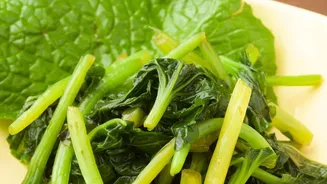
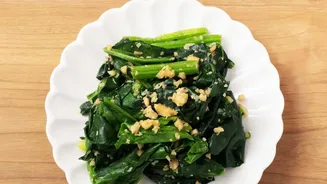
For many leafy greens, cooking breaks down tough plant cell walls, making certain nutrients easier for our bodies to digest and absorb. In fact, minerals like iron and calcium, and antioxidants like beta-carotene (which the body converts to Vitamin A), often become more bioavailable after a gentle cook. So, a light sauté or steam isn't destroying your 'palak'—it's actually unlocking some of its hidden potential.
Taming the 'Anti-Nutrients'
Leafy greens like spinach contain compounds called 'anti-nutrients', such as oxalates and phytates. These substances can bind to essential minerals like iron and calcium in the gut, preventing them from being absorbed by your body. This is where cooking provides a major advantage. Processes like boiling or steaming can significantly reduce the oxalate content of greens. One study showed boiling spinach can cut its soluble oxalate content by a large margin, essentially washing them away into the cooking water. This simple step deactivates the mineral-blocking effect, ensuring you get more of the good stuff from your meal.
The Power of Pairing: Healthy Fats
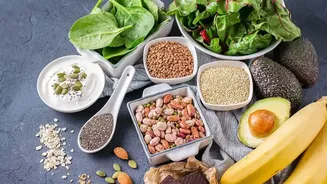
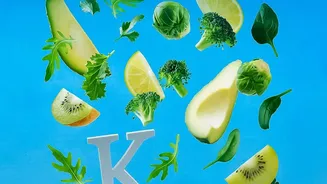
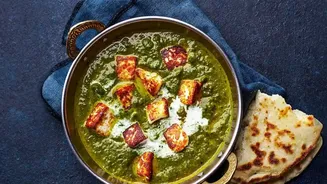
Have you ever wondered why traditional dishes often pair greens with fats, like in 'palak paneer' or 'saag' with a dollop of ghee? This isn't just for flavour; it's smart nutrition. Leafy greens are packed with fat-soluble vitamins, namely Vitamins A, D, E, and K. As their name suggests, these vitamins need fat to be absorbed from your digestive system into your bloodstream. Eating your greens without a source of fat means these crucial nutrients may not be fully utilized. Adding healthy fats like olive oil, avocado, nuts, seeds, or paneer to your greens can dramatically increase the absorption of these vitamins, helping to support everything from vision and immune function to bone health.
Unlocking Iron with Vitamin C
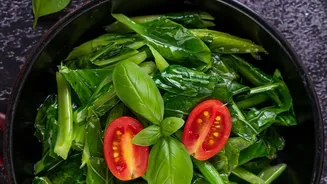
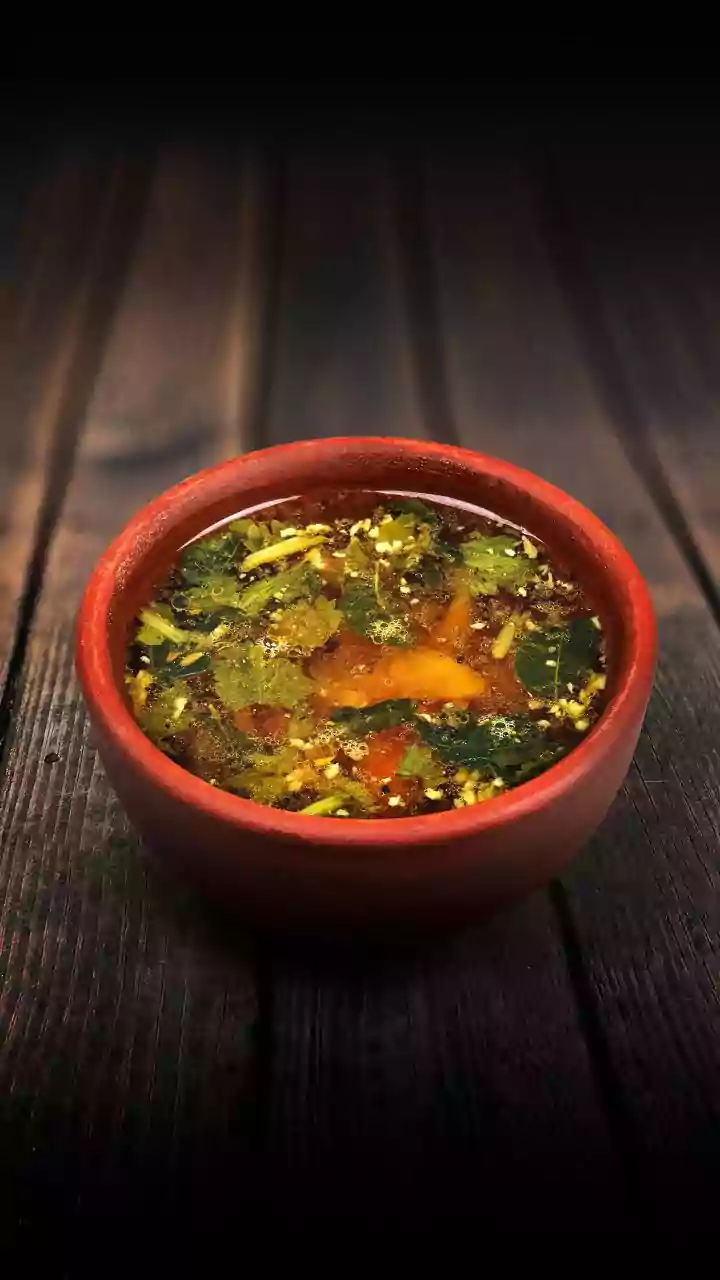
Iron is a critical mineral, yet the type found in plants, known as non-heme iron, is notoriously difficult for the body to absorb. However, there's a simple and powerful hack: Vitamin C. When consumed in the same meal, Vitamin C transforms non-heme iron into a form that is much more readily available to your body. The effect is significant; even a modest amount of Vitamin C can substantially boost iron uptake. This is why adding a squeeze of lemon to your 'dal palak', tossing tomatoes into your spinach salad, or serving greens alongside bell peppers makes perfect nutritional sense. It's a classic example of food synergy, where the whole becomes greater than the sum of its parts.
Building a Smarter Meal
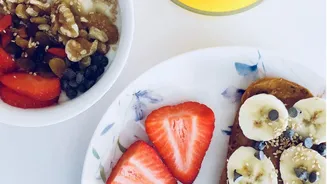
Understanding these principles allows you to move beyond simply eating greens and start building smarter, more nutritious meals. Think of your plate as a team where every ingredient has a role. Instead of a plain, dry salad, consider one with a lemon-and-olive-oil vinaigrette and some almonds. Rather than just boiled greens, try sautéing them with garlic and tomatoes. These small adjustments are not just about taste; they are strategic decisions that unlock the full nutritional promise of your food. The goal isn't just to consume nutrients but to ensure your body can actually absorb and use them, which depends entirely on the company they keep on your plate.