




When to Visit: The Official Season
Timing is everything at Kaziranga. The park is open to visitors from November to April, shutting down completely from roughly May to October due to heavy monsoon rains that flood the vast grasslands. For the best combination of pleasant weather and excellent
wildlife sightings, the peak season is from November to February. During these cooler, dry months, the grass is shorter, and animals, including rhinos and elephants, are more visible as they bask in the sun. December and January offer the highest probability of rhino sightings, though they are also the busiest months. For a balance of great sightings with fewer crowds, many seasoned visitors recommend November or February.
Choosing Your Trail: A Guide to Safari Zones
Kaziranga is divided into four main safari zones, each with a distinct character. For first-time visitors, the Central Range (Kohora) is the most popular, offering a balanced mix of grasslands and wetlands with a high probability of spotting rhinos, elephants, and deer. The Western Range (Bagori) boasts the highest density of rhinoceroses and is highly recommended for those seeking close-up encounters. For birdwatching enthusiasts, the Eastern Range (Agoratoli) is a paradise, with its dense forests and wetlands along the Brahmaputra River attracting hundreds of migratory species. The fourth zone, Burapahar, is hilly and less crowded, making it ideal for spotting hoolock gibbons and for those seeking a quieter, more offbeat adventure.
Jeep vs. Elephant Safari: Which Is Better?
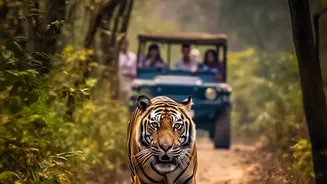
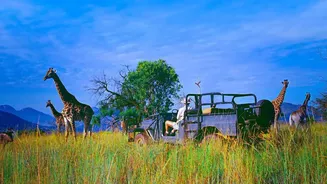
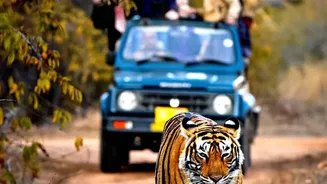
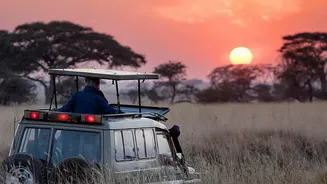
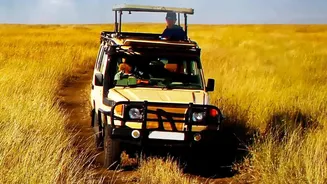
The park offers two distinct safari experiences: the wide-ranging jeep safari and the intimate elephant safari. Jeep safaris are the primary way to explore, covering more ground over two to three hours and increasing your chances of seeing a variety of wildlife across different habitats. They are available in all four zones. Elephant safaris, available only in the early morning in the Central (Kohora) and Western (Bagori) ranges, offer a unique perspective. Riding on an elephant allows you to venture deep into tall grasslands where jeeps cannot go, often resulting in incredibly close rhino sightings. Many visitors choose to do both: an early morning elephant ride for the close-up experience, followed by a jeep safari to explore the wider park landscape.
The Stars of the Show: Rhinos and the Big Five
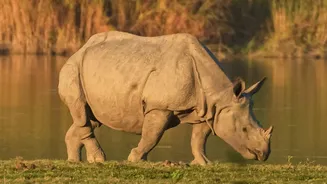
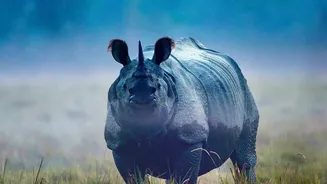
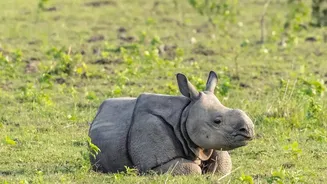
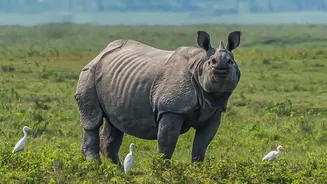
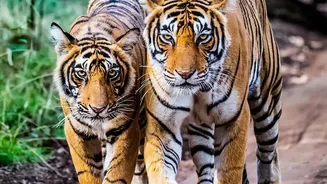
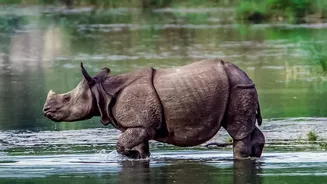
The one-horned rhinoceros is undoubtedly Kaziranga's main attraction, and the park's conservation success makes sightings very likely. But the park is also home to the rest of India's 'Big Five'. Kaziranga has a high density of Royal Bengal Tigers, though spotting them in the tall grass requires significant luck. You are far more likely to see large herds of Asian elephants and wild water buffalo, especially near the park's many water bodies. The fifth famous resident is the Eastern swamp deer, also known as Barasingha. Beyond these large mammals, the park is a vibrant ecosystem with hundreds of bird species, otters, deer, and more, making every safari a unique experience.
Booking and Essential Tips
Advance booking for safaris is highly recommended, especially during the peak season from December to February when slots fill up fast. Safaris can often be booked online through the official Assam Forest Department portal or arranged via your hotel or a local tour operator. When you go, dress in neutral, earthy-coloured clothing to blend in with the surroundings. For cold winter mornings in an open jeep, dressing in layers is essential. Binoculars are a must-have to get a better look at distant animals and birds. Finally, always carry the same government-issued photo ID that you used for booking, as it will be checked at the park gate.