

The Convenience Trap
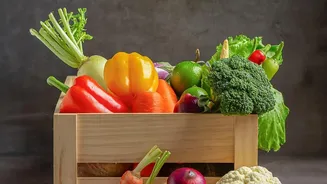
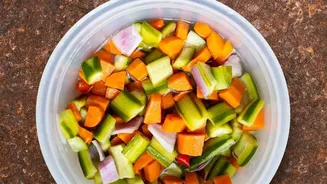
After a long day, the allure of a packet of perfectly chopped carrots, beans, and cauliflower is undeniable. It promises a quicker, easier path to a healthy dinner. However, this convenience comes with hidden costs, especially during the monsoon. Once
a vegetable's natural protective skin is broken, its internal flesh is exposed. This creates a moist, nutrient-rich surface that is an open invitation for bacteria. Each cut multiplies the surface area available for germs to colonize, turning a seemingly healthy choice into a potential health hazard.
Why Monsoon Is a Risk Factor
The rainy season dramatically increases the risks associated with pre-cut produce. The combination of high humidity and warm ambient temperatures creates a perfect incubator for harmful microbes like E. coli, Salmonella, and Listeria. These bacteria can multiply rapidly on the exposed surfaces of cut vegetables. Furthermore, the monsoon season often brings the risk of contaminated water sources due to flooding and overflowing drains. There is no guarantee that the water used to wash these vegetables at a commercial facility was clean, or that the cutting surfaces and equipment were adequately sanitized, increasing the risk of cross-contamination.
The Nutritional Cost of Cutting Early
Beyond the bacterial risk, pre-cut vegetables also suffer from nutritional degradation. The moment a vegetable is cut, it begins to lose vital nutrients. Exposure to oxygen, light, and heat during the cutting, packaging, and storage process accelerates the breakdown of sensitive vitamins, particularly water-soluble ones like Vitamin C and B vitamins. While pre-cut vegetables are certainly better than no vegetables at all, whole produce that you wash and cut just before cooking will always deliver a more potent nutritional punch. Research shows that even after a few days of refrigeration, the vitamin levels in pre-cut produce begin to drop significantly.
What About 'Ready-to-Eat' Labels?
Many packages are labelled as 'pre-washed' or 'ready-to-eat,' offering a sense of security. While processors have sanitation procedures, the high humidity of the monsoon can compromise even sealed packaging. Moisture can get trapped inside, creating a mini-greenhouse that encourages microbial growth. Health experts and food safety authorities like FSSAI consistently advise consumers to be extra vigilant during the monsoon. Their guidance often emphasizes washing all produce thoroughly at home, regardless of how it is packaged, especially during the rainy season. Relying solely on the label might not be enough to protect you from common monsoon ailments like gastroenteritis, diarrhoea, and other foodborne illnesses.
Your Monsoon Safety Checklist
Enjoying vegetables safely during the monsoon is entirely possible with a few simple precautions. First, prioritize buying whole, unbruised vegetables. Inspect them for signs of mould, sliminess, or damage. Second, store them properly. FSSAI recommends not washing produce before storing it in the refrigerator, as the dampness can promote mould; instead, wash them just before use. Third, adopt a thorough washing routine. Wash all vegetables under clean, running water. For leafy greens, which can trap mud and microbes, a soak in salt water or a mild vinegar solution for a few minutes can provide a deeper clean before a final rinse. Always use separate cutting boards for produce and raw meat to prevent cross-contamination.