








More Than Just a Number
We've been conditioned to measure exercise by duration. Fitness apps, smartwatches, and gym equipment all prominently display the minutes and seconds, reinforcing the idea that time is the most important metric. While consistency and duration are certainly
key components of a healthy routine, this narrow focus overlooks a powerful, scientifically supported factor: the environment. Where you choose to move your body can dramatically alter not just how you feel during the workout, but the very benefits you receive. It can influence your motivation, your perceived effort, and even your long-term adherence to a fitness plan.
The Power of Green and Blue Spaces
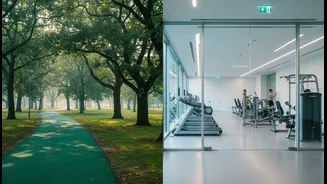
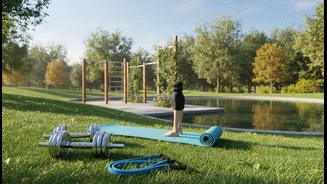
The simplest way to upgrade your workout environment is to take it outside. Research into "green exercise," or physical activity in natural settings, shows a wealth of benefits. Studies have found that exercising outdoors can increase energy, reduce tension and depression, and boost mood more effectively than indoor workouts. People who exercise in parks or on trails often report enjoying the activity more and are more likely to want to do it again. Even a five-minute dose can have a positive effect. Adding water into the mix—known as "blue exercise"—can enhance these benefits even further. Proximity to lakes, rivers, or the sea during physical activity is linked to greater feelings of happiness and calmness. Research shows that these environments encourage physical activity and can help reduce stress and anxiety.
Optimise Your Indoor Environment
Exercising outdoors isn't always feasible. Bad weather, safety concerns, or simple convenience often make the gym or home a better option. However, that doesn't mean your surroundings are fixed. You can consciously engineer a more effective indoor workout space. Start with air quality and temperature; a well-ventilated, cool room helps prevent overheating and fatigue. Lighting also plays a crucial role. Bright, natural light can enhance energy and mood, whereas dim lighting may contribute to sluggishness. Don't underestimate the power of sound, either. The right music can reduce the perception of effort and distract from discomfort, helping you push harder.
The Social Factor in Fitness
Your environment isn't just about physical place; it’s also about the people in it. Working out with others can be a powerful motivator. Whether it’s a group class, a workout buddy, or even the ambient energy of a busy gym, a social setting can introduce a sense of camaraderie, accountability, and even friendly competition. This social pressure can push you to work harder than you might alone. Studies show that exercising in a group can lead to greater enjoyment and less fatigue. Simply knowing others expect you to show up is a strong driver for consistency.
Find What Fuels You
Ultimately, the best workout environment is the one that works for you. The goal is to move away from a rigid, numbers-only approach and embrace a more intuitive one. Pay attention to how you feel. Do you come back from a walk in the park feeling more refreshed than after the same time on a treadmill? Do you push yourself harder in a spin class than you do on a stationary bike at home? Your environment can be a tool to make exercise feel less like a chore and more like a rewarding part of your day. Experiment with different settings—a quiet trail, a bustling group class, a bright corner of your home—and discover what surroundings make you not only work harder, but also feel happier while doing it.