


The Gentle Strength of Aqua Yoga
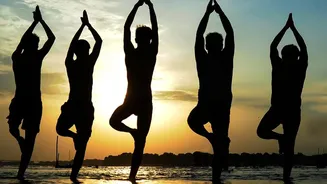
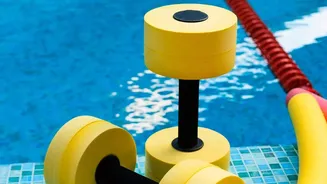
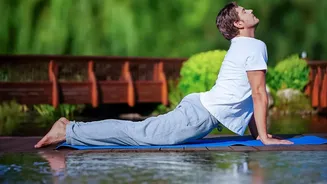
Aqua yoga is exactly what it sounds like: practicing traditional yoga poses in the water, typically in a waist-to-chest-deep pool. The water’s buoyancy is the main attraction, as it supports your body, reducing pressure and impact on joints like your knees
and hips. This makes it an incredibly accessible activity for people of all fitness levels, including seniors, pregnant women, and those recovering from injuries. But don't mistake 'gentle' for 'easy'. The water provides 12 times more resistance than air, meaning your muscles are working hard to move through poses, building strength in a subtle yet effective way. You'll constantly engage your core to maintain stability as the water shifts, improving your balance without the high risk of falling that you might experience on a mat.
Training Demands: Aqua Yoga
To get started with aqua yoga, the primary requirement is simply being comfortable in the water. You don’t need to be a strong swimmer, especially since classes are held in shallow water. The main physical demands include a degree of flexibility and a willingness to engage your core. Poses like the Water Warrior and Aqua Chair engage the legs and glutes, while the water’s support allows for deeper stretches and improved range of motion. The focus is less on perfect form and more on mindful movement and breathing. The instability of the water forces your smaller stabilising muscles to fire up, which improves overall coordination. The workout is low-impact, making it ideal for building foundational strength and improving mobility gently.
The Dynamic Challenge of Paddleboarding
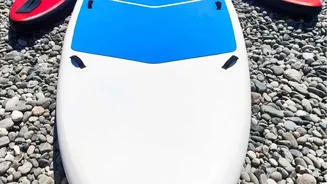
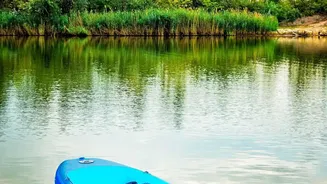
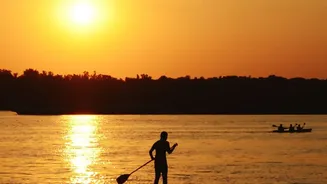
Stand-up paddleboarding (SUP) is a full-body workout that combines balance, strength, and endurance. It involves standing on a board and using a paddle to propel yourself across the water. While it can be a serene way to explore lakes and coastlines, it is physically demanding. From the moment you step on the board, your core is engaged to maintain balance on an unstable surface. This constant activation of your abs, obliques, and lower back is one of the biggest benefits of the sport. Every paddle stroke is a powerful movement that works your arms, shoulders, back, and chest. Your legs and glutes are also constantly working, making micro-adjustments to keep you stable as the board moves with the water.
Training Demands: Paddleboarding
Paddleboarding requires a higher baseline of fitness compared to aqua yoga. The most critical skill is balance, which can be challenging for beginners. Most people start on their knees to get a feel for the board before attempting to stand. Core strength is non-negotiable; a strong core is the foundation for both balance and powerful paddling. Upper body and back strength contribute to an efficient paddle stroke, while leg strength provides the stability needed to stand for extended periods. It is also a cardiovascular workout. A leisurely paddle can be a light aerobic exercise, but paddling against wind or at a faster pace will quickly elevate your heart rate. While anyone can learn, it has a steeper learning curve than aqua yoga and involves a higher risk of falling into the water.
Which Is Right For You?
Choosing between aqua yoga and paddleboarding depends entirely on your fitness goals and personal preferences. If you're looking for a low-impact workout that improves flexibility, builds gentle strength, and calms the mind, aqua yoga is a fantastic choice. It’s particularly well-suited for those with joint pain, mobility issues, or anyone new to fitness. If you're seeking a more intense, dynamic challenge that builds core power, enhances balance, and provides a full-body strength and cardio workout, paddleboarding is likely the better fit. It appeals to those who enjoy a sense of adventure and want a workout that feels less like exercise and more like an activity. While more physically demanding, many find the process of mastering balance and gliding across the water incredibly rewarding.