





The Science of Small Spaces
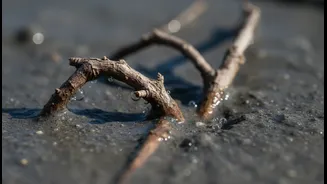
At its heart, this is a simple story of structure and air. Dry twigs are porous and full of tiny, hollow spaces. When you plunge them into a wet, dense mixture like mud or a heap of kitchen scraps, they don't immediately become waterlogged. Instead, they trap
air within their structure and in the gaps between them. This is because the twigs provide what’s known as structure or 'bulk'. Unlike soft, wet materials that can compact into a dense, airless mass, the rigid shape of twigs physically holds spaces open. Think of it like adding uncooked macaroni to a bowl of thick dal; the macaroni pieces create gaps and prevent the dal from becoming a solid block. These air pockets are essential because they introduce oxygen, and the presence or absence of oxygen can completely change how a wet mix behaves.
A Gardener’s Best Friend: Compost
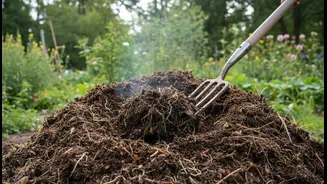
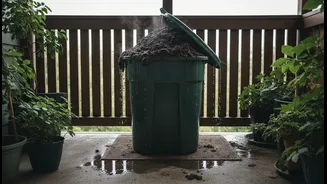
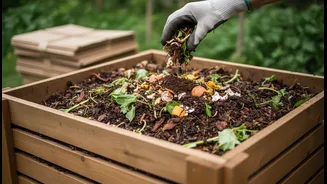
In the world of gardening and composting, these air pockets are not just helpful—they are essential. A compost pile is a living ecosystem where billions of tiny aerobic microorganisms work to break down organic waste. These microbes need oxygen to breathe and do their job efficiently. When a compost pile becomes too wet and compacted, it turns into a slimy, smelly, anaerobic (oxygen-free) mess. This is where dry twigs come in. Mixed into a compost pile, they act as a 'bulking agent', creating a network of air channels that allow oxygen to circulate. This keeps the aerobic bacteria happy, speeding up decomposition, generating healthy heat to kill pathogens, and preventing foul odours. Many seasoned gardeners start their compost bins with a base layer of twigs precisely for this reason: to ensure good drainage and aeration from the bottom up.
Improving Soil for Healthier Plants
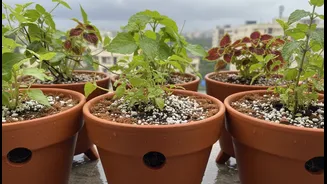
The same principle applies to garden soil itself. Healthy soil is not just dirt; it's a complex matrix where about 50% of its volume should ideally be pore space, filled with air and water. When soil becomes compacted, these air spaces are squeezed out, making it difficult for plant roots to breathe and for water to drain. This is especially true for heavy clay soils common in many parts of India. Incorporating coarse organic material, like small twigs or wood chips, helps create and maintain this crucial pore structure. The air pockets allow roots to grow more freely, access oxygen, and prevent waterlogging, which can starve roots and lead to rot. Essentially, by adding these 'imperfect' bits, you are making the soil structure more resilient and life-sustaining for your plants.
When Air Pockets Are Unwelcome
While air is a blessing in the garden, it's a curse in construction. In a 'wet mix' like concrete, trapped air is a serious structural flaw. Air bubbles, or 'voids', create weak points within the hardened concrete. These voids can significantly reduce the material's strength and durability, making it susceptible to cracking under pressure or from freeze-thaw cycles. This is why concrete is vibrated after being poured; the vibration helps release trapped air bubbles so the mix can settle into a dense, solid, and strong mass. Any organic material, including twigs or leaves, is a contaminant in a concrete mix precisely because it can decompose over time, leaving behind voids that compromise the integrity of the structure. The lesson is clear: what creates life-giving structure in soil creates strength-sapping weakness in concrete.