


The Science of Browning
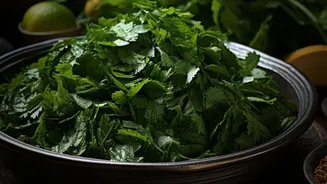
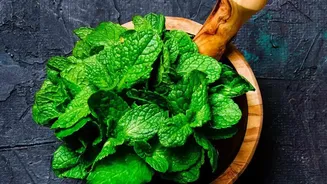
The culprit behind your chutney’s unfortunate transformation is a process called enzymatic browning. It’s the same reaction that turns sliced apples, bananas, and potatoes brown when they are exposed to air. Fresh herbs like coriander and mint contain
an enzyme called polyphenol oxidase, or PPO. In an intact plant cell, this enzyme is kept separate from other compounds. However, when you blend the herbs to make chutney, the cell walls are ruptured, and the PPO enzyme is released. Once released, it reacts with oxygen in the air, converting the natural phenols in the leaves into quinones. These quinones then polymerize, or link together, to form brown pigments called melanin, the same pigment that gives colour to human skin and hair.
Culinary Hero 1: The Power of Ice
One of the most effective ways to combat enzymatic browning is to lower the temperature. Enzymes are sensitive to their environment, and PPO works much more slowly in the cold. Blending generates friction and heat, which can actually speed up the oxidation process. By substituting some or all of the water in your recipe with a few ice cubes, you can keep the mixture cold as it blends. This dramatically slows down the PPO enzyme's activity, preserving the bright green chlorophyll in the herbs before the browning reaction can take hold. Using ice-cold water is another effective alternative if you prefer not to add solid cubes.
Culinary Hero 2: The Acidic Shield
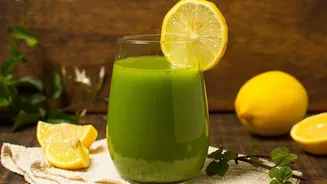
Our second hero in the fight for green chutney is acid, most commonly in the form of lemon or lime juice. The PPO enzyme functions best within a specific pH range, typically between 5 and 7. Lemon juice is highly acidic, with a pH of around 2. Adding a generous squeeze of lemon juice to your chutney significantly lowers its overall pH, creating an acidic environment that is hostile to the browning enzyme. This effectively deactivates the PPO, preventing it from catalysing the oxidation reaction. Ascorbic acid, or Vitamin C, found in lemon juice also acts as a powerful antioxidant, sacrificing itself to react with oxygen before the oxygen can react with the chutney's phenols. Some sources suggest vinegar can also be used for a similar acidic effect.
The Perfect Green Method
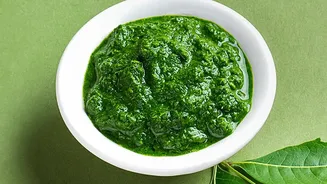
To put this science into practice, the method is simple. Start with the freshest coriander and mint leaves you can find, as they will have the most vibrant colour to begin with. As you gather your ingredients—herbs, green chillies, ginger, garlic, and any other additions—place a handful of ice cubes into your blender jar. Add the solid ingredients next. When you are ready to blend, add a good squeeze of fresh lemon juice. Blend the mixture until it reaches your desired consistency, adding a splash of ice-cold water only if absolutely necessary to get things moving. The combination of cold from the ice and acidity from the lemon creates a powerful defence against oxidation, locking in that brilliant green colour.
More Tips for Lasting Vibrancy
Beyond ice and lemon, there are other steps you can take to prolong your chutney's freshness. Once made, transfer the chutney immediately to an airtight glass container. The less contact it has with air, the slower any residual oxidation will occur. Pressing a piece of cling wrap directly onto the surface of the chutney before sealing the lid can provide an extra barrier against oxygen. Storing it in the coldest part of your refrigerator also helps. For long-term storage, green chutney freezes remarkably well. Pour the fresh chutney into an ice cube tray, freeze until solid, and then transfer the cubes to a freezer-safe zip-lock bag. This allows you to have perfectly portioned, vibrant green chutney ready whenever you need it.