


The Great Grain Standoff
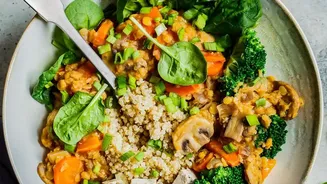
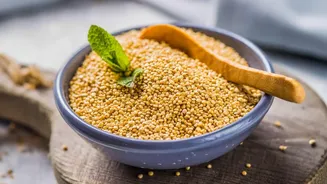
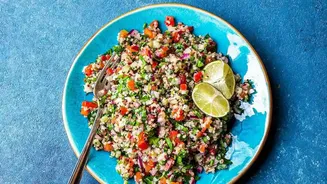
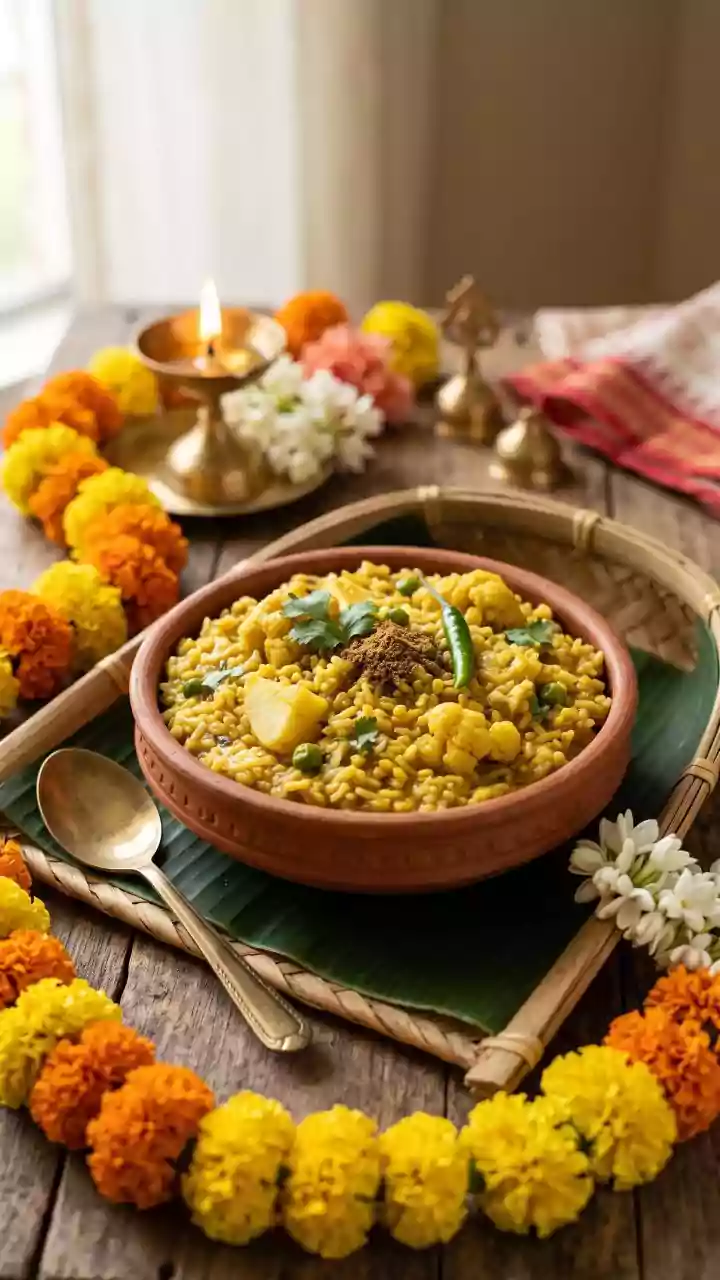
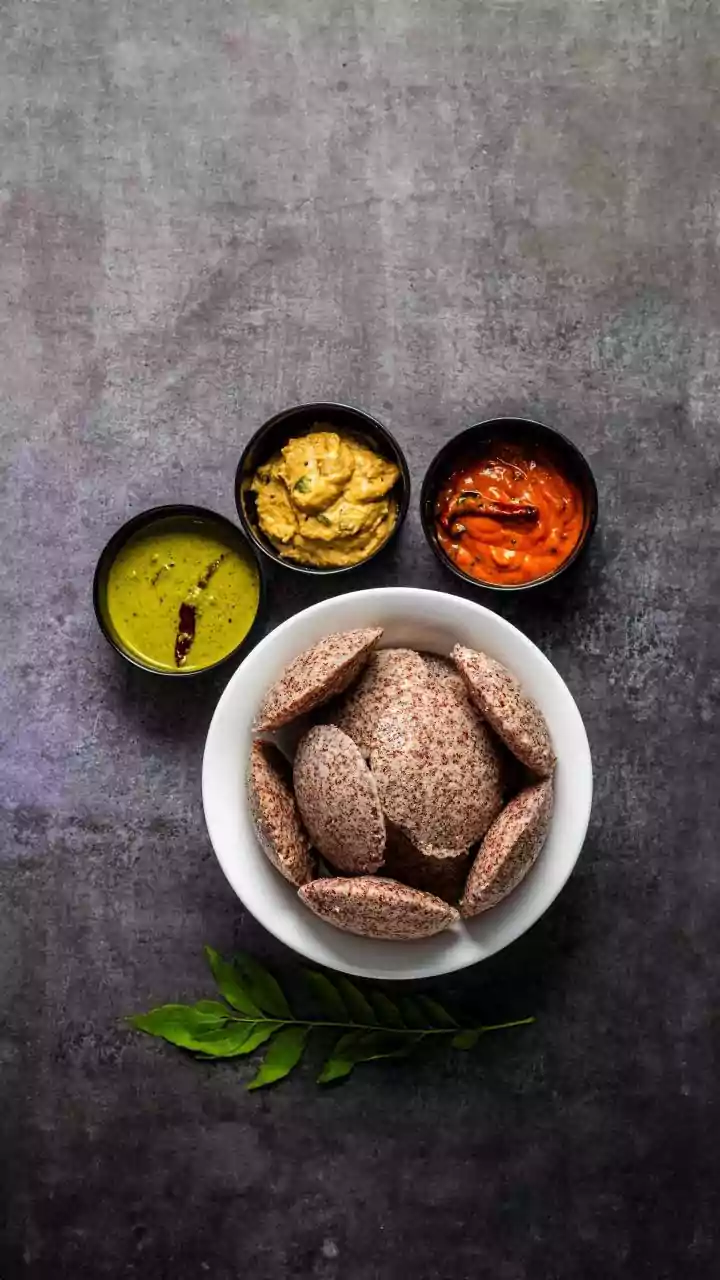
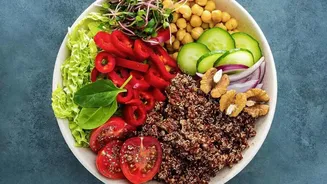
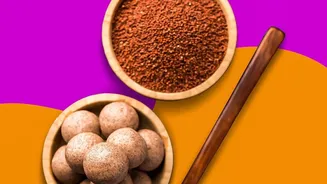
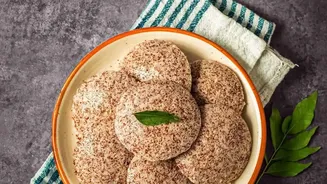
On one side, we have ragi, or finger millet, a humble and hardy grain that has nourished Indians for thousands of years. It’s affordable, climate-resilient, and deeply woven into our culinary traditions, from rotis to porridges. On the other side is quinoa,
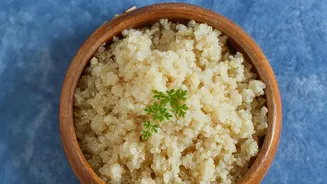
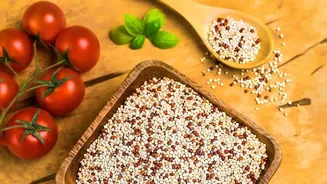
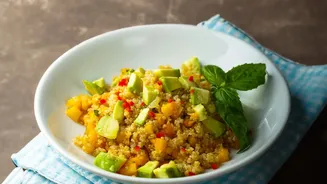
a seed from the Andes Mountains, celebrated globally as a 'superfood'. Its rise to fame has been meteoric, lauded for its unique nutritional properties and versatility in modern dishes like salads and bowls. As health-conscious consumers, we are often left wondering which grain offers the most bang for our buck, both nutritionally and financially.
Protein: The Complete Story
Quinoa's biggest claim to fame is its protein content. It is a 'complete protein', meaning it contains all nine essential amino acids that our bodies cannot produce on their own. A 100-gram serving of uncooked quinoa offers a significant 14-16 grams of protein. Ragi, in comparison, provides about 7-10 grams of protein per 100 grams and is not a complete protein. However, the Indian way of eating often naturally completes the protein chain. When ragi is eaten with dal (lentils) or curd, the combination provides all the essential amino acids, mirroring the benefit of quinoa.
The Calcium Crown
This is where ragi truly dominates and leaves quinoa far behind. A 100-gram serving of ragi contains a massive 344mg of calcium, making it one of the best plant-based sources of this crucial bone-building mineral. Quinoa, while still a healthy grain, provides only about 47mg of calcium for the same amount. For Indian diets, where calcium deficiency can be a concern, especially for women and children, ragi is the undisputed champion.
Fibre and Blood Sugar Control
Both grains are excellent for digestive health and managing blood sugar, thanks to their fibre content and low glycemic index (GI). Ragi has a slight edge in fibre, with about 11 grams per 100g, compared to quinoa's 7 grams. More fibre promotes a feeling of fullness, aiding in weight management. Both grains have a low GI (around 53-54), meaning they release sugar into the bloodstream slowly, preventing sudden spikes and making them suitable for diabetics.
Micronutrient Scorecard
Beyond calcium, the mineral contest is more balanced. Quinoa tends to have a slight edge in iron, magnesium, and folate. However, some sources suggest certain millets like bajra (pearl millet) have significantly more iron than quinoa. Ragi is also a good source of iron, crucial for preventing anaemia. Both grains are packed with antioxidants that help fight inflammation and cellular damage in the body. For optimal mineral absorption, it's a good practice to soak either grain before cooking.
Cost, Availability, and The Verdict
This is a practical consideration where ragi wins by a landslide. As a locally grown crop, ragi is significantly more affordable and widely available across India than imported quinoa. A switch to quinoa can considerably increase a family's grocery budget. So, which should you choose? The answer isn't about crowning a single winner but understanding your personal needs. If your goal is to maximise protein from a single source, quinoa is an excellent, albeit expensive, choice. However, for bone health, affordability, and supporting local agriculture, ragi is a nutritional powerhouse that is hard to beat.