





A Journey into Living History
Indian Railways has embarked on a significant initiative to celebrate the rich, 173-year history embedded in its architecture. A curated list of 103 heritage stations across the country will be part of a grand celebration called “Station Mahotsav”. The
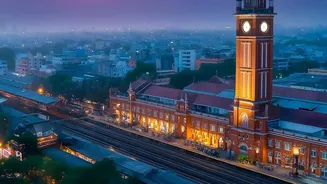
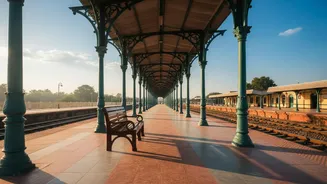
core idea is to turn these transport hubs into dynamic showcases of the past. Instead of being mere transit points, these stations will host historical photo exhibitions, display vintage railway equipment and artefacts, and screen short films about their heritage. This move aims to connect millions of passengers with the stories and legacy of the iron spine that has shaped modern India. Of the selected stations, 72 were originally built in the 19th century, with some of the oldest, like Kalyan and Howrah, dating back to 1854.
Celebrating Local Identity and Culture
This heritage preservation project goes beyond just railway history. The "Station Mahotsav" events, scheduled to take place between August and November, are designed to honour the unique local culture intertwined with each station. Plans include regional food festivals and the promotion of local arts and handicrafts, offering a platform for artisans. This effort aligns with the broader vision of the "One Station One Product" scheme, which turns station platforms into vibrant showcases for indigenous goods, connecting local producers directly with a massive audience of travellers. By doing so, the railways are not only preserving architectural gems but also reinforcing the station's role as a community landmark that reflects the distinct identity of its region.
Which Stations Are on the Map?
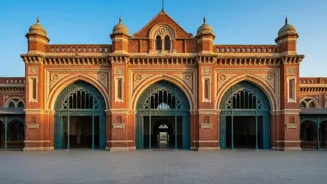
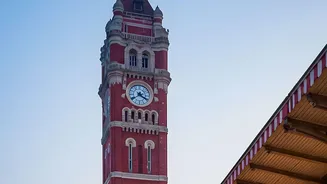
The 103 stations are spread across the vast network, ensuring this heritage revival has a wide national footprint. The Central Railway zone leads with 15 selected stations, followed by the Northern and Southern Railways with 14 each. The list includes iconic and historically significant locations. Among the oldest are Howrah (West Bengal) and Kalyan (Maharashtra), both established in 1854. Other notable 19th-century stations include Old Delhi (1867), Lonavala (1858), and Bardhaman (1855). The initiative also covers 20th-century structures, such as the grand Lucknow Charbagh station (1926), Pune (1925), and Thiruvananthapuram in Kerala (1931), which is one of the newest on the heritage list. Even the famed, fictional Malgudi station, which is based on Arasalu in Karnataka (1934), is included in this historic line-up.
Part of a Broader Modernisation Drive
This focus on heritage is a key component of the larger Amrit Bharat Station Scheme, a massive undertaking by the Ministry of Railways to redevelop over 1,300 stations across India. Launched in December 2022, the scheme aims to transform stations into modern, passenger-friendly hubs that also serve as integrated 'city centres'. A crucial principle of the Amrit Bharat scheme is that the design of redeveloped buildings should be inspired by local culture and heritage, rather than following a uniform template. This ensures that while stations get upgraded with modern amenities like better waiting halls, Wi-Fi, and accessibility features for Divyangjan, they do not lose their unique architectural character. The heritage project is a perfect example of this philosophy of "Vikas bhi, Virasat bhi" (development and heritage), blending progress with preservation.
What Passengers Can Expect
For travellers, this initiative promises a richer and more engaging journey. Imagine waiting for your train while exploring an exhibition of photographs that show the station's evolution over a century, or seeing a vintage locomotive part up close. The project aims to make history accessible and tangible. In addition to visual displays, some events may feature laser shows and the unveiling of a special heritage magazine called 'Virasat Smarika'. This effort to digitise and showcase railway heritage, also seen in collaborations with Google Arts & Culture, brings these stories to a global audience. Ultimately, the goal is to transform the passenger experience, making a visit to these stations not just a part of travel, but a memorable destination in itself, deepening the public's connection to one of India’s greatest institutions.