

A Delicious Collision of Textures
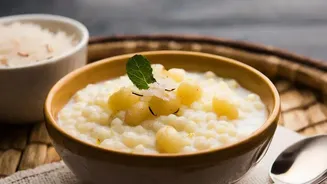
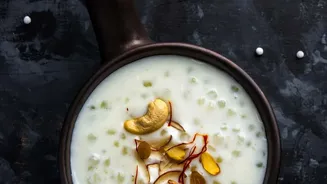
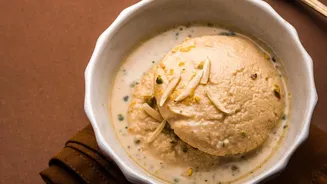
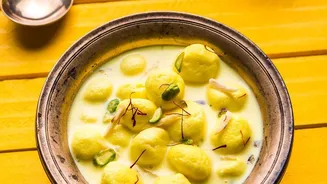
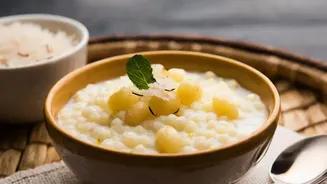
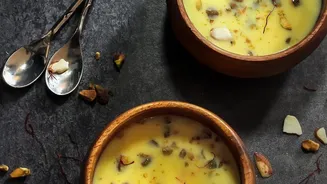
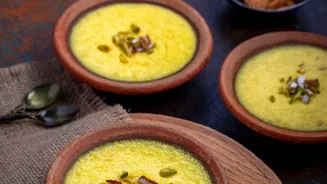
Imagine the rich, fragrant, and creamy milk syrup—or rabri—of a classic rasmalai. It’s sweet, infused with cardamom and saffron, and utterly decadent. Now, instead of the traditional chenna (cheese curd) discs, picture soft, translucent, and chewy tapioca
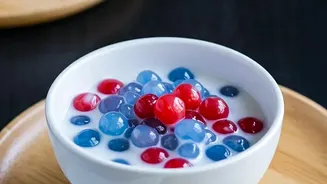
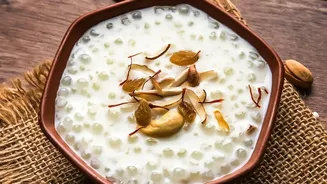
pearls swimming in that milky bath. That's Sabudana Rasmalai. This dessert is a masterful play on textures, combining the familiar comfort of a milk-based sweet with the delightful, almost jelly-like bite of sabudana. It’s a dish that has found popularity for being both inventive and nostalgic, often enjoyed during fasts (vrat) but delicious enough for any festive occasion. The neutral taste of the tapioca pearls makes them a perfect vehicle for absorbing the sweet, aromatic flavours of the rabri, creating a dessert experience that is both unique and deeply satisfying.
The Key Qualification: Mastering the Sabudana
While the idea is simple, the execution requires a crucial understanding—this brings us to the key qualification mentioned in the headline. The success or failure of Sabudana Rasmalai rests entirely on the preparation of the sabudana itself. Anyone who has worked with tapioca pearls knows they can be tricky; they can quickly turn into a sticky, clumpy mess or remain unpleasantly hard in the center if not handled correctly. For this dessert to shine, the sabudana must be perfectly cooked: each pearl should be distinct, translucent, and possess a soft, yielding chew. It cannot be mushy, and it absolutely cannot be gooey. Achieving this perfect texture is the single most important qualification for making a great Sabudana Rasmalai.
Achieving Perfect Pearls Every Time
So, how do you master the art of the perfect sabudana? It begins with proper soaking. First, rinse the sabudana pearls under cold water several times until the water runs clear. This step is vital as it removes the excess starch that causes stickiness. After rinsing, soak the pearls in just enough water to cover them—a common ratio is about ¾ cup of water for every cup of sabudana. Soaking for 4-6 hours, or even overnight, is ideal. The pearls should absorb all the water and become soft enough to be easily mashed between your thumb and forefinger. If there's any excess water after soaking, be sure to drain it completely using a colander to prevent a gluey texture during cooking. Some cooks even spread the soaked pearls on a cloth for a few minutes to remove any lingering moisture.
Cooking with Care
Once soaked and drained, the next step is cooking. Some recipes call for cooking the sabudana into a dough-like consistency, which is then shaped into small patties before being chilled and added to the rabri. Other methods involve cooking the loose pearls directly in milk to create a dessert more akin to kheer. Regardless of the method, the principles remain the same. Cook the sabudana on a low to medium flame, and avoid aggressive stirring, which can break the pearls and release more starch. Gentle handling is key. The pearls are cooked when they turn from opaque white to translucent. Overcooking is a common mistake that leads to a rubbery or mushy outcome, so as soon as they become clear, it's time to stop the cooking process.
Bringing It All Together
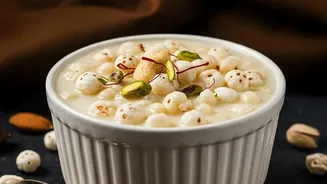
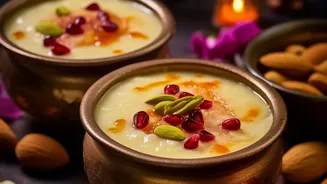
With your perfectly prepared sabudana, the final assembly is pure joy. The rabri is made by simmering full-fat milk until it reduces and thickens, sweetened with sugar and flavoured with saffron, cardamom, and chopped nuts like pistachios and almonds. If you've made sabudana patties, you gently place the chilled discs in a bowl and pour the cooled rabri over them. If you've cooked the pearls loose, they are simmered gently in the prepared milk until they absorb the flavours. The dessert is almost always served chilled, which allows the flavours to meld and the textures to set. The result is a stunning dessert where creamy meets chewy in the most delightful way.