





The Science Behind the Mush
The secret to understanding why refreezing ruins vegetables lies at a microscopic level. Vegetables are full of water, held within rigid cell walls that give them their structure and snap. When vegetables are commercially flash-frozen, the water freezes
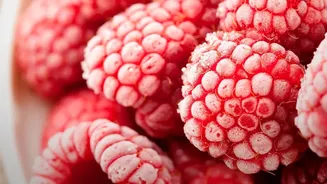
into tiny, harmless ice crystals. However, when vegetables thaw and then slowly refreeze in your home freezer, a different process occurs. Slower freezing allows water molecules to group together, forming large, jagged ice crystals. These crystals act like tiny shards of glass, piercing and rupturing the delicate cell walls of the vegetable. When the vegetable is thawed for a second time, the damaged cells can no longer hold their shape or retain water, leading to that dreaded soft, watery, and mushy texture.
From Crisp and Vibrant to Spongy and Dull
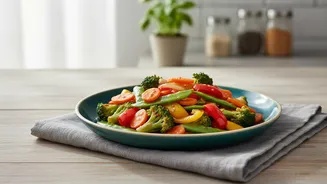
The damage isn't just theoretical; you can see and taste the difference. A vegetable that has been thawed and refrozen will lose its characteristic crispness. Green beans lose their snap, broccoli florets become soft, and corn can turn spongy. This process also causes moisture to leak out, which means you might end up with a puddle of water in your pan and a less flavourful final dish. The repeated temperature changes can also affect the colour and even the nutritional value of the vegetables. While they are still perfectly safe to eat, the quality takes a significant hit, turning what should be a vibrant ingredient into a disappointing, limp version of its former self.
Smart Strategies to Preserve Texture
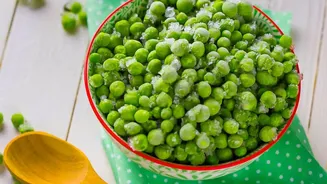
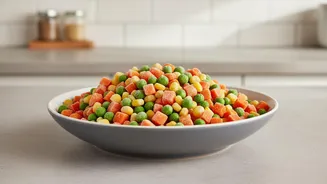
The best way to avoid this issue is to prevent it from happening in the first place. When buying frozen vegetables, give the bag a gentle squeeze. If you can feel individual pieces, that's a good sign. If it feels like a solid block, it has likely already thawed and been refrozen on its journey to the store, and you should pick another bag. At home, the golden rule is to cook vegetables directly from frozen whenever possible. Roasting or sautéing from frozen often yields the best, non-soggy results. If you buy large bags, consider portioning them into smaller, airtight containers or freezer bags as soon as you get home. This way, you only need to take out what you need for one meal, leaving the rest untouched and perfectly frozen.
A Note on Safety vs. Quality
It’s important to distinguish between food quality and food safety. While refreezing thawed vegetables compromises their texture and flavour, it does not necessarily make them unsafe to eat. According to food safety experts, vegetables that have thawed but have been kept cold in the refrigerator (at or below 4°C) can be safely refrozen. However, you should never refreeze vegetables that have been left out at room temperature for more than two hours. In that temperature 'danger zone,' bacteria can multiply rapidly. If vegetables were thawed safely in the fridge, they are fine to refreeze, but you may want to use them in a soup, stew, or casserole where the softer texture will be less noticeable.