



The Contradiction: Soaring Prices and Full Flights
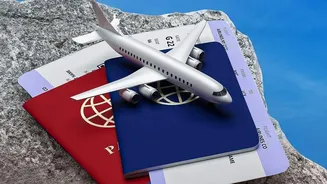
Anyone who has tried booking an international flight recently knows the feeling. Prices that seem to defy gravity are now the norm. A combination of higher jet fuel costs, ongoing airspace restrictions, and surging demand have kept airfares stubbornly
high. Even major carriers like Air India have had to rationalise routes through August 2026, citing the commercial pressures of high operating costs. And yet, the data shows that this isn't deterring travellers. India's outbound travel market has surpassed pre-pandemic levels, with some projections showing the number of international travellers could exceed 50 million by the end of the decade. This boom signifies a profound shift in consumer behaviour, turning travel from a luxury into a non-negotiable priority.
The Power of 'Revenge Travel'
The term 'revenge travel' emerged after years of lockdowns and restrictions, describing a collective urge to make up for lost time. This phenomenon is a powerful psychological driver behind the current boom. After being confined for so long, the freedom to explore the world has taken on new significance. For many, experiences now trump material possessions. People are expressing a willingness to spend more on flights and accommodation than before, viewing travel as an essential investment in their well-being and personal growth. This shift explains why, even as the cost of living rises, the travel budget is often the last to be cut.
A New Calculus for Spending
The travel boom isn't just about pent-up demand; it's also about a fundamental change in financial priorities. For many Indian households, discretionary spending habits have been reshaped. In fact, international travel has now become the single largest expense category under the Liberalised Remittance Scheme (LRS), overtaking spending on overseas education. This indicates a conscious decision to allocate significant financial resources towards global experiences. The rise of a larger middle class with more disposable income is a key factor, but so is the accessibility of travel financing options, which empower more people to turn their travel dreams into reality.
Value, Visas, and a Changing Map
While the desire to travel is strong, today's traveller is also smarter and more strategic. There is a clear trend towards destinations that offer better value for money, where the Indian Rupee goes further. This has fuelled a surge of interest in nearby countries. Vietnam, Sri Lanka, and Thailand have become hotspots, thanks to their affordability and simplified entry requirements. In 2026, a key trend is the preference for destinations with visa-free or visa-on-arrival policies, as travellers prioritise convenience and reduced bureaucracy. This practical approach doesn't mean long-haul trips are off the table. Instead, travellers are mixing it up, balancing bucket-list trips to places like Japan and Africa with more frequent, shorter getaways closer to home.
Is the Boom Sustainable?
The question on everyone's mind is how long this trend can last. The current surge is powered by a unique mix of post-pandemic psychology and strong economic fundamentals, including rising incomes. However, the pressure of high costs is real. A strong US dollar, for instance, makes travel to many parts of the world more expensive for Indian tourists. Travellers are becoming more calculated, planning trips further in advance to secure better deals and manage costs. While the initial frenzy of 'revenge travel' may eventually cool, the underlying shift towards valuing experiences suggests that international travel will remain a significant aspiration. The industry is adapting, with more direct flights and diverse offerings catering to this new generation of global Indian explorers.