





The Great Protein Awakening
For years, the average Indian diet has been rich in carbohydrates and fats, with protein often taking a backseat. Studies have consistently highlighted a significant protein deficiency, with some reports suggesting over 70% of Indians consume less than
the recommended daily amount. But a change is underway. A growing wave of health consciousness, fueled by social media and a greater focus on fitness, has pushed protein into the spotlight. It’s no longer just for bodybuilders; everyday consumers are now linking protein to overall wellness, strength, immunity, and effective weight management. This shift is away from restrictive calorie counting and towards a more positive message of building strength and feeling full.
The Plant-Powered Push
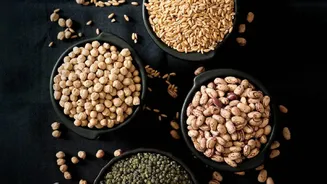
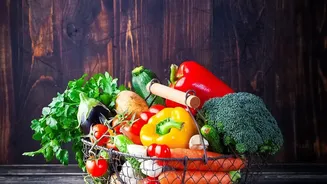
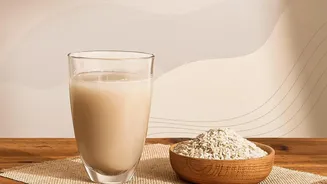
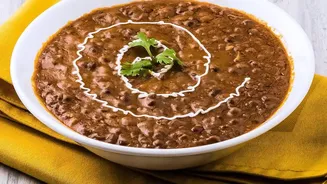
India's long-standing vegetarian traditions provide a strong foundation for the plant-based protein boom. Dals (lentils), chana (chickpeas), and legumes like rajma are the cornerstones of this trend, long celebrated for their nutritional value. What's new is the rapid growth and acceptance of modern plant-based alternatives. The market for these products is expanding significantly, with projections showing it could double in the next five years. Soy products like tofu, soya chunks, and soy milk are gaining popularity as versatile paneer alternatives. Beyond soy, proteins derived from peas, chickpeas, and mung beans are being incorporated into everything from beverages to snacks, driven by a desire for clean-label and sustainable options.
Dairy's Enduring Strength
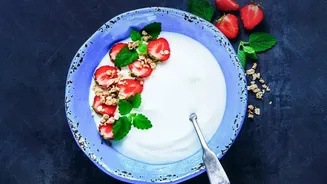
While plant-based options are on the rise, dairy remains a dominant and trusted source of protein in the Indian diet. As the world's largest milk producer, India has a deep cultural connection to dairy products. Paneer is a vegetarian favourite, prized for its high protein content, with around 18 grams per 100-gram serving. Dahi (curd) and milk are also fundamental to daily meals. This traditional reliance is now complemented by a modern twist: the booming market for whey and casein protein supplements. Initially popular among gym-goers, these dairy-derived powders are now mainstream, with brands launching smaller, more accessible packs to appeal to a broader audience.
The Best of Both Worlds
The most compelling aspect of India's protein trend is its flexible, hybrid approach. Consumers aren't making a rigid choice between plant and dairy; instead, they are mixing and matching to suit their lifestyles. This 'flexitarian' mindset means a person might start their day with a traditional breakfast, have a whey protein shake after a workout, and enjoy a dinner of dal and roti. This approach allows for a diverse intake of nutrients and fits seamlessly into India's varied culinary landscape. Brands are responding by fortifying familiar foods like atta, biscuits, and beverages with protein, making it easier for people to increase their intake without drastically changing their habits.
Looking Ahead: A Balanced Plate
This trend is about more than just what's on the plate; it represents a fundamental shift in how Indians think about food and health. While awareness is highest in urban centres, the trend is spreading to smaller towns and cities, driven by the accessibility of products on quick-commerce platforms. The challenge lies in ensuring that this increased interest is matched with accurate nutritional education to combat myths and confusion. Ultimately, the strength of India's protein journey is its inclusivity. By embracing both the ancient wisdom of lentils and the modern science of whey, consumers are creating a balanced, sustainable, and distinctly Indian approach to nutrition.