
More Than Just Stacking Rocks
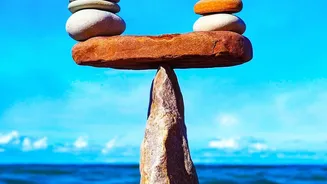
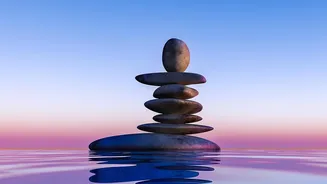
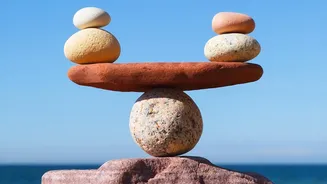
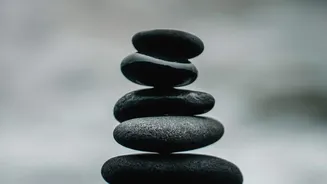
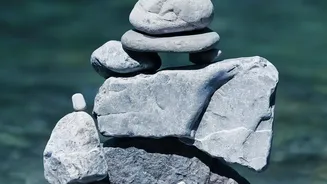
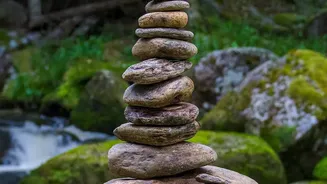
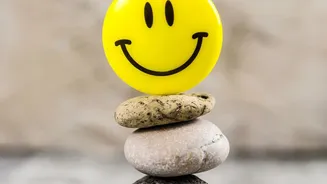
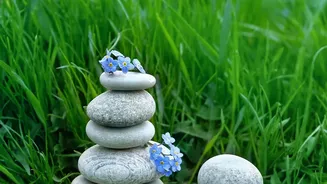
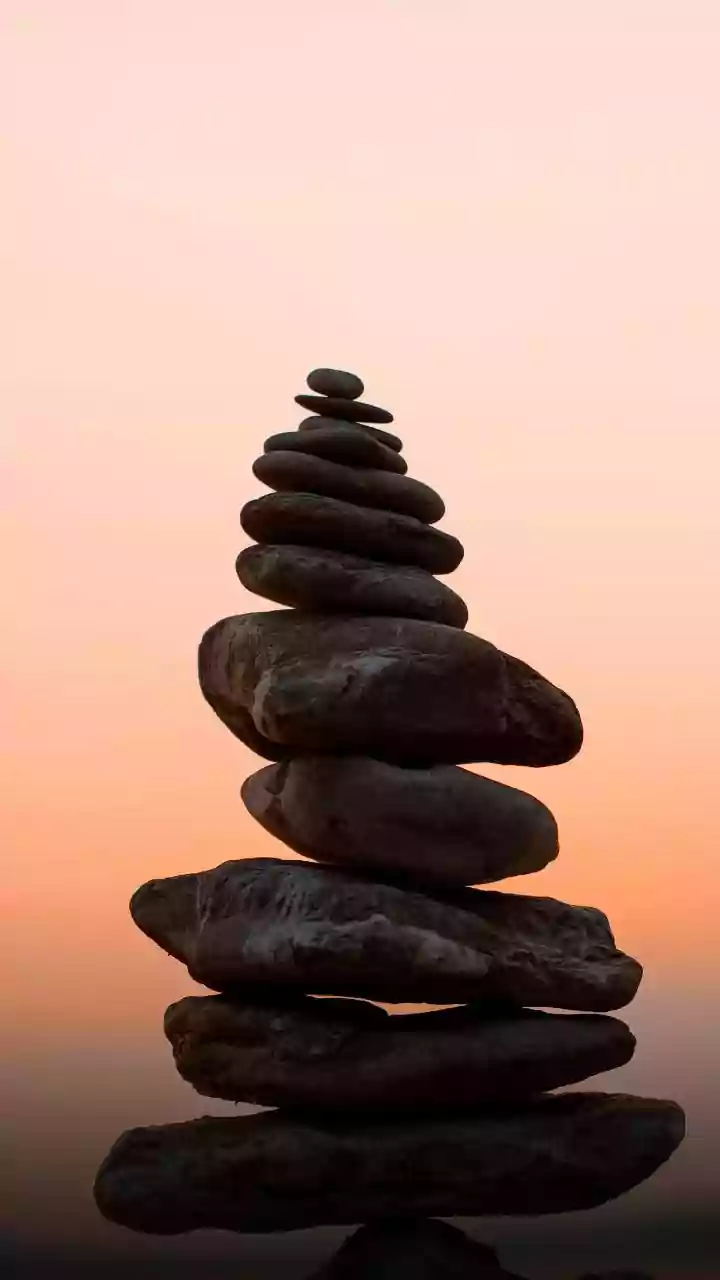
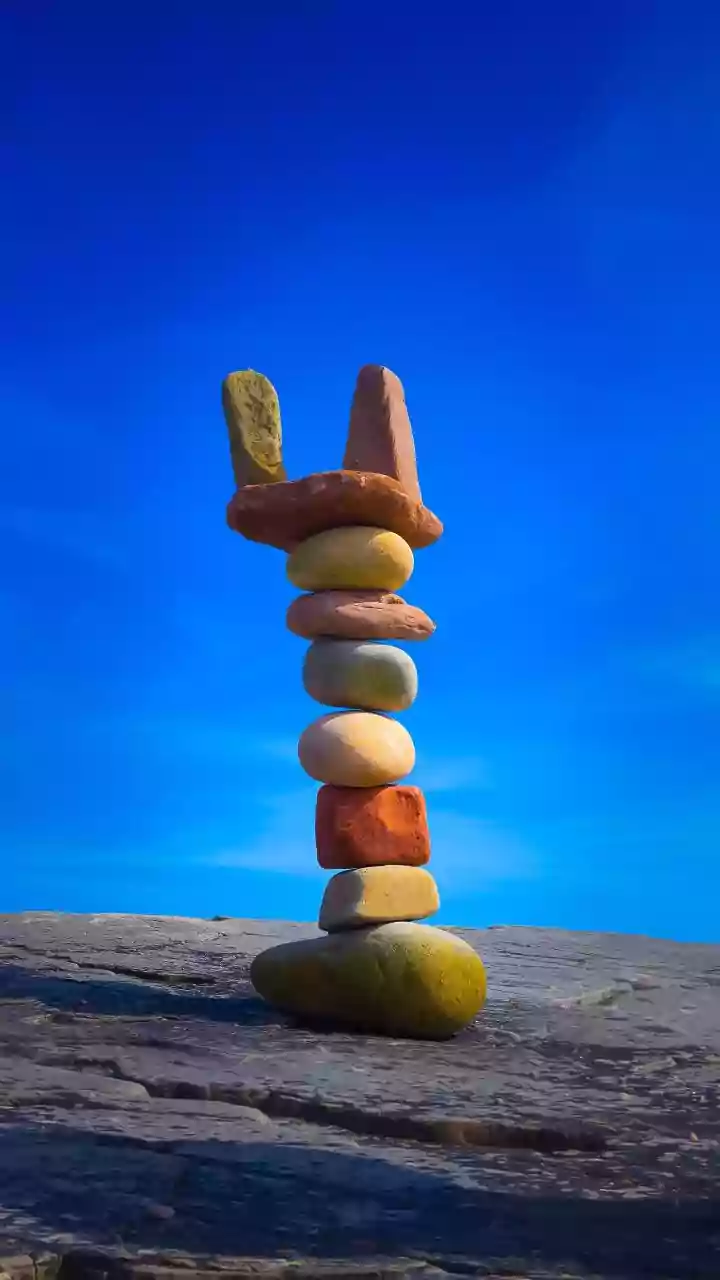
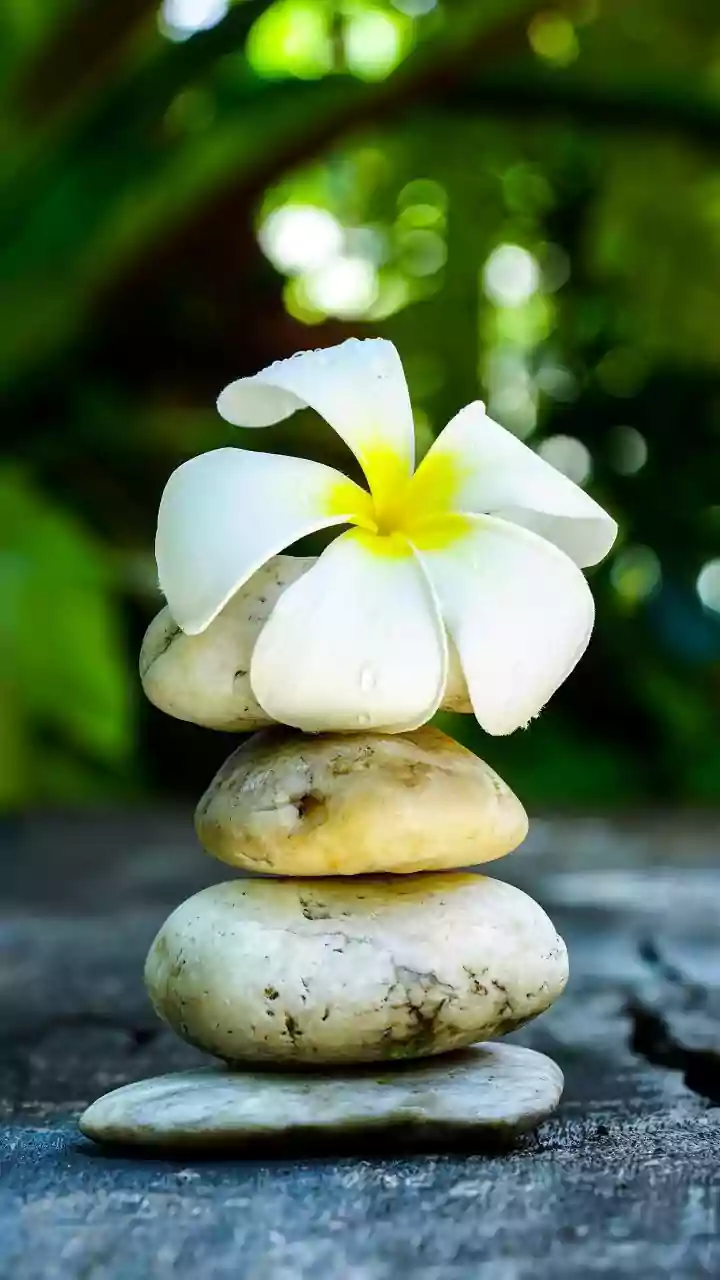
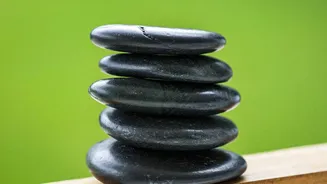
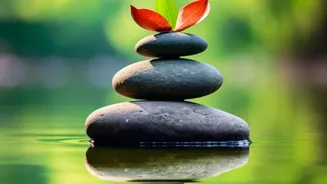
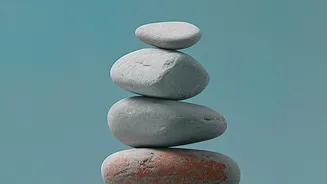
Stone balancing, or rock stacking, is an ancient practice found across cultures, used for everything from trail markers to spiritual symbols. The fundamental rule is simple: no glue, wires, or tricks. The structure holds together through balance alone.
This requires an intense state of presence and concentration. Practitioners describe it as a meditative activity that quiets the mind, forcing it to abandon distracting thoughts and attend only to the present task: feeling the minute shifts in weight and texture as one stone settles upon another. It is this demand for absolute focus that makes it a powerful tool for enhancing mental clarity, much like traditional mindfulness exercises.
The Science of a Steady Hand
To understand how balancing stones helps physically, we need to look at fine motor control. These skills involve the use of small muscles in our hands, fingers, and wrists to make precise movements. Everyday actions like writing, buttoning a shirt, or typing rely on well-developed fine motor skills. These abilities are not just for children; adults need to maintain them for daily independence and complex tasks. Activities that challenge these small muscles—like moulding clay, knitting, or even playing certain video games—are often recommended by recreational and occupational therapists to build dexterity and hand-eye coordination.
How Balancing Trains Your Brain and Body
Stone balancing is a masterclass in fine motor refinement. The act of selecting a stone, feeling its texture and weight, and then carefully placing it on another requires incredible precision. Your brain and hands must work in perfect sync. You make countless micro-adjustments, guided by the sensory feedback from your fingertips, to find the stone's centre of gravity. This process directly engages and strengthens the small muscles in the hand, improving dexterity and what is known as hand-eye coordination. Each successful placement is a successful loop of seeing, processing, and executing a highly precise movement—a foundational element of motor learning.
Without The Hype: Managing Expectations
While the benefits are real, it's important to separate them from the hype. Stone balancing is not a cure-all. Some proponents attach deep spiritual or transformative powers to the practice, which can be a meaningful personal experience but isn't a guaranteed outcome. The core, verifiable benefits are grounded in the principles of mindfulness and motor skills development. It is an excellent activity for improving your ability to concentrate for sustained periods. It enhances patience, as the stones will inevitably fall, teaching resilience and emotional regulation. And it is a tangible, effective way to work on your fine motor skills and coordination. Think of it less as a mystical secret and more as a beautiful, engaging form of physical and mental training.