







Your First Defence: The Home-Packed Dabba
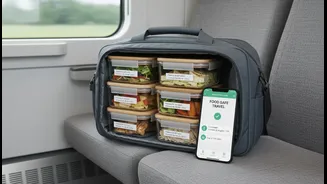
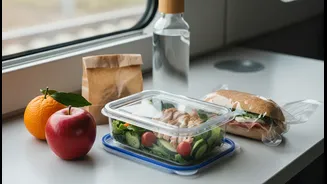
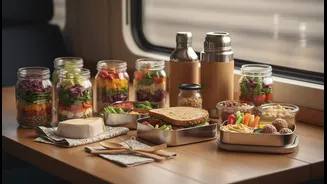
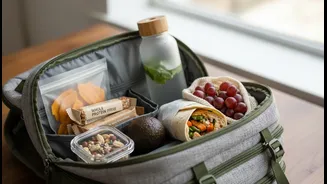
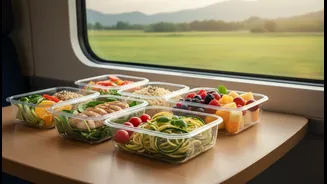
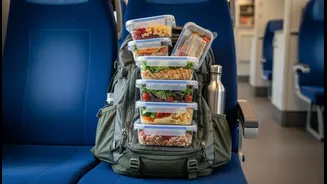
The safest meal on a train is often the one you bring from home. For long journeys, durability is key. Items like theplas, puris with a dry potato sabzi, lemon rice, and stuffed parathas are excellent choices as they remain fresh for several hours without
refrigeration. Pack them in clean, steel containers rather than plastic to maintain hygiene and taste. Dry snacks such as roasted chana, makhana, khakhra, and nuts are perfect for munching between meals and are easy to carry. Foods with a high moisture content, rich gravies, or raw onions are best avoided as they tend to spoil faster, especially in warmer conditions. Aim to consume your home-cooked meal within the first 12 hours of your journey.
The Platform Test: Buying from Station Vendors
When hunger strikes at a station, it's crucial to be observant. Not all vendors are equal. Your best bet is a stall that is busy and has a high turnover of customers, as this suggests the food is being cooked fresh. Opt for items that are prepared right in front of you and served steaming hot, as heat is effective at killing most harmful bacteria. Freshly fried samosas, kachoris, or a bread omelette are generally safer than dishes that have been sitting in a tray for an unknown period. Be wary of pre-cut fruits, salads, and uncovered snacks, as they are easily contaminated. Some major stations are now FSSAI-certified as 'Eat Right Stations,' indicating higher hygiene standards, so keep an eye out for these certifications.
Onboard Dining: Pantry Cars and E-Catering
The quality of food from the train's pantry car can be inconsistent, varying from one train to another. While convenient, it’s wise to assess what's available. If you choose to order from the pantry, simple, hot-cooked meals like a fresh veg thali are a better choice. A significant improvement in recent years is the expansion of IRCTC's e-catering service. Using the official app or website, you can order meals from a wide range of approved restaurants and food chains, which are then delivered to your seat at designated stations. These vendors are typically FSSAI-compliant, offering a more reliable and hygienic alternative to traditional pantry food.
Digital Trust: Look for the QR Code
To improve transparency and combat unauthorised vendors, Indian Railways has introduced a system of QR codes on food packets. When you receive a meal ordered through official channels, you may find a QR code on the packaging. Scanning this code with your smartphone can reveal important details, such as the name and location of the base kitchen where the food was prepared and the date of packing. This initiative helps ensure that the food is coming from a verified source and empowers you to make a more informed decision. It's a simple yet effective check to confirm the legitimacy and freshness of your meal.
Water Wisdom and Personal Hygiene
Food safety isn't just about food; it's also about what you drink and how you handle it. Dehydration can make you more susceptible to illness, but water is also a primary source of contamination. The cardinal rule is to drink only sealed bottled water from reputable brands, such as the official 'Rail Neer' provided by IRCTC. Before opening a bottle, always check that the seal is intact, as some vendors have been known to refill bottles with tap water. Avoid ice in your drinks as it is often made from unsafe water. Finally, always wash your hands with soap and water before eating. If that's not possible, a hand sanitiser is an essential travel companion to reduce the risk of transferring germs.