

The Core Philosophy: Precision vs. Party
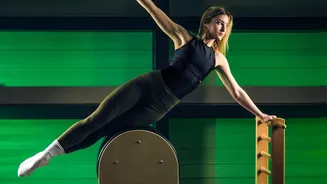
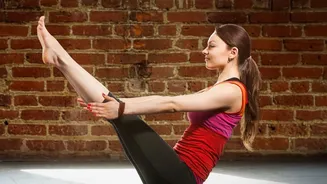
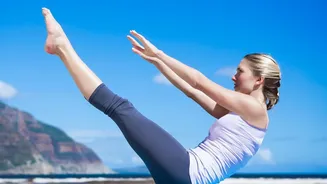
At its heart, Pilates is a method of exercise focused on control, concentration, and core strength. Developed by Joseph Pilates, it's a system of low-impact movements designed to strengthen muscles while improving postural alignment and flexibility. The
guiding principles are breath, concentration, center, control, precision, and flow. Every movement is deliberate, originating from your body's 'powerhouse'—the abdomen, lower back, hips, and buttocks. Zumba, on the other hand, is a high-energy fitness program that feels more like a dance party than a workout. It combines Latin and international music with dance moves, creating an aerobic routine that’s about fun and freedom of movement. The philosophy is simple: get moving, have fun, and the fitness will follow. It’s a cardiovascular workout built on rhythm and repetition, designed to boost your mood and burn calories in a social, energetic setting.
The Atmosphere: Calm Focus vs. Electric Energy
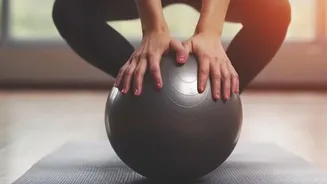
Step into a Pilates studio, and you'll likely find a calm, focused environment. Whether on a mat or a reformer machine, the emphasis is on mindful movement. Instructors provide precise cues to help you engage the correct muscles and refine your alignment. The vibe is quiet, controlled, and internally focused. Walk into a Zumba class, and the atmosphere is the polar opposite. Loud, pulsating music drives the class as an enthusiastic instructor leads a group through choreographed dance routines. The energy is infectious, social, and designed to make you forget you're exercising. There's less focus on perfect form and more on keeping your body moving and your heart rate up.
The Physical Payoff: Deep Strength vs. High-Calorie Burn
The primary physical benefit of Pilates is building deep core strength. It tones muscles, enhances stability, and is renowned for improving posture and alleviating back pain. By focusing on controlled movements and balanced muscular development, it creates long, lean muscles and improves overall flexibility and body awareness. While it does burn calories, its main strength lies in sculpting and rehabilitating the body. Zumba is a cardio powerhouse. A typical class can burn between 400 and 600 calories, making it an effective option for weight loss. Studies have shown it burns more calories per minute than cardio kickboxing and even some forms of Pilates. The constant, dance-based movement elevates your heart rate, improves cardiovascular endurance, and enhances coordination. While it provides some muscle conditioning, its main benefit is a high-intensity aerobic workout.
Which One Is Right For You?
Your choice between Pilates and Zumba ultimately comes down to your personal goals and what you enjoy. Choose Pilates if: Your main goal is to build core strength, improve posture, and increase flexibility. You are recovering from an injury or need a low-impact workout that protects your joints. You prefer a calm, focused environment and enjoy precise, mindful movements. Choose Zumba if: Your primary goal is weight loss and cardiovascular fitness. You love music and dancing and get motivated by high-energy, social settings. You want a workout that feels like a party and is a proven stress reliever. Of course, you don't have to choose just one. Many people find that Pilates and Zumba complement each other perfectly, combining the strength and alignment benefits of Pilates with the cardio blast of Zumba for a well-rounded fitness routine.