






An Extended Farewell to the King
The Indian mango season is a national celebration that traditionally follows a predictable path. It kicks off in the south and west around March with celebrated varieties like Alphonso, peaking in April and May before the monsoon rains arrive. The season then
moves northward, with varieties like Chausa and Langra available until late July or early August. By this time, the supply dwindles, and the export window effectively closes. This timeline has long defined the rhythm of India's mango trade, leaving both domestic consumers and international markets waiting for the next year. However, a recent development in Karnataka is set to change this long-standing calendar, offering a welcome extension to the season.
Karnataka's Late-Season Heroes
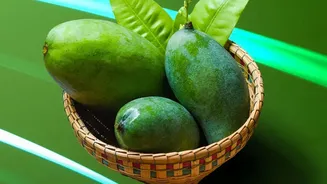
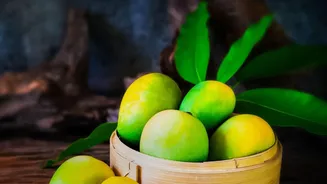
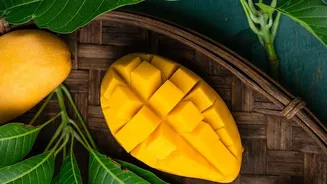
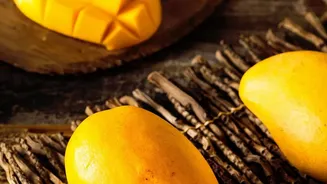
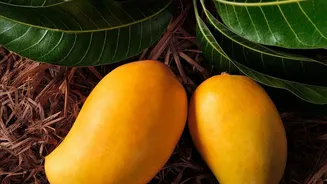
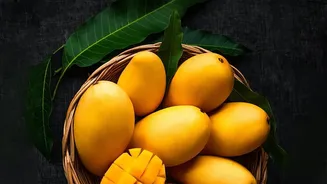
The stars of this extended season are two well-known but newly strategic varieties: Neelam and Totapuri. While not new to India, their cultivation in Karnataka's Kolar district is now being leveraged to fill a crucial gap in the market. Neelam is prized for its sweet, juicy pulp and rich aroma, making it ideal for desserts and beverages. Totapuri, easily recognized by its distinctive parrot-beak shape, offers a delightful sweet-and-tangy flavour that makes it versatile for both eating fresh and for processing into pulp. Critically, both these varieties are harvested from late June through the end of July. This allows Karnataka to supply fresh mangoes to the world precisely when the supply of other premium Indian varieties has all but disappeared.
A Breakthrough for Farmers and Exports
This agricultural strategy culminated in a landmark achievement on July 30, 2026, when the Agricultural and Processed Food Products Export Development Authority (APEDA) facilitated the first-ever air shipment of these late-season mangoes from Karnataka to the Maldives. A consignment of one metric tonne was sourced directly from farmers associated with the Prakruthimaya Farmers Producer Company (FPC) in Kolar. This direct farm-to-export model has proven incredibly lucrative. According to the Ministry of Commerce and Industry, the initiative delivered over 50 per cent higher returns to the farmers compared to what they would earn in conventional domestic markets. This success not only boosts farmer incomes but also establishes a new, profitable channel for Indian agri-exports at the very tail end of the season.
Strengthening India's Global Position
The successful export venture does more than just benefit local farmers; it strengthens India's overall position in the global mango market. By extending the availability of high-quality fruit, India can cater to international demand for a longer period, capturing a market share that might otherwise go to other countries. The initiative also highlights the growing importance of Farmer Producer Companies in streamlining supply chains, ensuring quality control, and connecting small-scale farmers to lucrative international markets. Furthermore, the export was handled by a newly registered woman entrepreneur, showcasing the increasing role of women in India's agricultural export ecosystem and adding another layer of success to the story.