





Putting the Numbers in Context
The figure of 40,023 non-conforming samples was disclosed by India's Ministry of Health and Family Welfare, based on provisional data from the Food Safety and Standards Authority of India (FSSAI). While the number seems alarming, it's part of a massive
and escalating surveillance effort. In the 2025-26 period, authorities analyzed 223,808 food samples across the country. This means that nearly one in five, or about 18%, of the samples tested were flagged for some form of non-conformance. This high number is a product of a significant increase in inspections—which surged to over 520,000 in 2025-26. Rather than just a sign of a failing system, the data reflects a regulator that is testing more products and, consequently, finding more issues. This aggressive enforcement resulted in thousands of civil and criminal cases against businesses.
What 'Non-Conforming' Actually Means
The term "non-conforming" is a broad catch-all and doesn't always mean the food is dangerous. The category is broken down into three main types of violations: "unsafe," "sub-standard," and "mislabeled." Unsafe food contains harmful bacteria, pesticides, heavy metals, or other toxic substances. Sub-standard food might not be harmful but fails to meet legally mandated quality parameters—for example, milk with less fat than required or spices that lack a certain potency. Mislabeled products have incorrect nutritional information, misleading branding, or other packaging defects. While the government data doesn't provide a detailed breakdown for the 40,023 samples, historical reports suggest that unsafe products typically make up a smaller portion of the total non-conforming samples compared to sub-standard and mislabeled items.
The Most Common Problem Foods
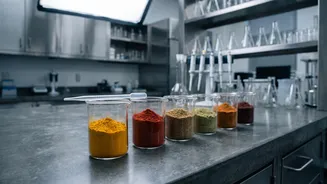
Certain categories of food are consistently identified as high-risk for adulteration and non-conformance in India. Milk and milk products like paneer (a fresh cheese) and ghee (clarified butter) are frequent offenders. Common issues include dilution with water or, more dangerously, the addition of substances like detergent and urea to mimic thickness and protein content. Edible oils and spices are also major areas of concern. Spices like turmeric and chili powder may be bulked up with brick powder or sawdust, with artificial dyes added to enhance color. With the festive season approaching in late 2026, the FSSAI has specifically directed authorities to increase surveillance on these items, along with sweets and snacks, which see a surge in demand and a corresponding rise in adulteration risk.
What About Food Imported to the U.S.?
For American consumers, these findings are a world away, but they raise valid questions about the global supply chain. It's important to understand that food imported into the United States is regulated by the U.S. Food and Drug Administration (FDA), which operates independently of the FSSAI. All imported food is subject to FDA inspection at the port of entry and must comply with U.S. safety standards and labeling laws. The FDA’s Foreign Supplier Verification Program (FSVP) also requires U.S. importers to verify that their foreign suppliers are meeting American safety standards. While only a small percentage of imports are physically examined, the FDA uses a risk-based electronic screening system to flag potentially problematic shipments. If a product is found to be adulterated or misbranded, it is refused entry. Therefore, a food safety issue within India's domestic market does not automatically translate to a risk for products sold in the U.S.
An Ongoing Battle for a Growing Nation
Ensuring the safety of food for 1.4 billion people is a monumental challenge, especially in a country with a vast unorganized food sector. The FSSAI's recent crackdown, which includes publicizing enforcement actions and suspending licenses of non-compliant businesses, signals a more aggressive stance. Recent actions have targeted everything from major infant formula brands for misleading labels to producers of specialty foods for severe hygiene violations like pest infestations. The increased testing and high number of flagged samples are part of a broader strategy to bring more of the food economy, including over a million street food vendors, under formal regulatory oversight. The journey is long, but the latest data shows a clear intent to tackle the problem head-on.