





Embrace Weekend Meal Prep
A little effort on a Sunday can transform your week. Instead of planning entire meals, focus on prepping components. Prepare a large batch of a basic onion-tomato masala, which can become the foundation for dozens of different curries. Boil a few types
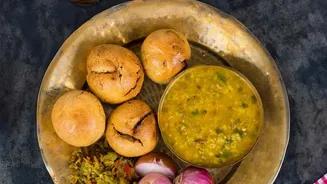
of dal or legumes like chickpeas and kidney beans and store them in the fridge. You can also wash, chop, and store hardy vegetables like carrots, beans, and cauliflower. Having these building blocks ready means you can assemble a fresh meal like a lentil curry or a vegetable stir-fry in under 15 minutes. This approach saves significant time compared to starting from scratch every evening.
Master the Art of One-Pot Meals
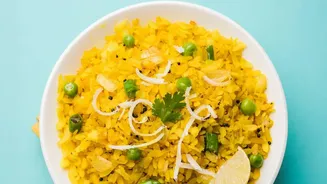
One-pot meals are a lifesaver during the monsoon, offering maximum comfort with minimal cleanup. Dishes like Masala Khichdi are the culinary equivalent of a warm hug—a nourishing mix of rice and lentils that comes together quickly in a single pressure cooker. Another excellent option is a simple vegetable pulao, which can be adapted based on whatever vegetables you have on hand. For a heartier meal, a one-pot rajma masala can be made by sautéing the masala base directly in the cooker before adding pre-soaked beans. These dishes are not only time-efficient but also align with the Ayurvedic principle of eating warm, easily digestible foods during the rainy season.
Stock Your Pantry Strategically
A well-stocked pantry is your best defence against last-minute takeaway orders. During the monsoon, high humidity can cause food to spoil faster, so it's crucial to store dry goods like rice, dal, and spices in airtight containers. Focus on stocking ingredients with a long shelf life, such as potatoes, onions, garlic, ginger, and pumpkins. These are less susceptible to the spoilage that can affect leafy greens this season. It's also wise to have immunity-boosting spices on hand, such as turmeric, ginger, garlic, and black pepper, which are staples in Ayurvedic tradition for staying healthy during Varsha Ritu (the rainy season).
Rethink Your Greens and Raw Foods
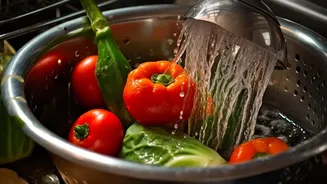
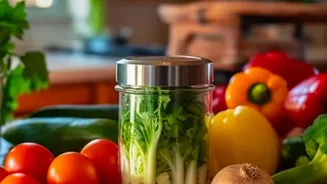
While leafy greens are healthy, they can pose a higher risk of contamination during the monsoon due to mud and germs. It's essential to wash all vegetables thoroughly, perhaps by soaking them in salt water or a mild vinegar solution before cooking. Many experts suggest steaming salads instead of eating them raw and opting for well-cooked vegetables. Consider shifting your focus to gourds like lauki (bottle gourd) and tori (ridge gourd), or using sprouts, which can be easily steamed and added to dishes. Avoiding pre-cut fruits and raw chutneys from outside vendors is also a wise precaution to prevent foodborne illnesses.
Create 'Flavour Bombs' to Speed Up Cooking
The secret to quick, flavourful Indian cooking often lies in the base. You can create your own 'flavour bombs' by making large batches of essential pastes and powders. Prepare and freeze ginger-garlic paste in an ice cube tray for easy use. A basic Indian gravy can also be made in a large batch and frozen in portions. When you're ready to cook, just thaw a few cubes and add your protein or vegetables for an almost-instant curry. Similarly, having homemade spice mixes (masalas) or tamarind pulp ready can cut down your cooking time dramatically, letting you whip up a complex-tasting dish on a busy Tuesday night.
Plan for Healthy Monsoon Snacking
Monsoon evenings often bring cravings for fried snacks. While indulging in pakoras is a seasonal ritual, healthier alternatives can be just as satisfying. Roasted corn on the cob (bhutta), seasoned with lime and masala, is a classic, healthy choice. Other great options include roasted makhana (fox nuts), sprout chaat, or baked sweet potato wedges. These snacks are not only lighter but also align with the need for easily digestible food during this season. By having the ingredients for these healthy snacks on hand, you can satisfy your cravings without relying on deep-fried street food.