





Understanding the Price Rollercoaster
Recent data from July 2026 shows that food inflation continues to be a significant concern for Indian households. Prices for essentials like vegetables, pulses, and even spices can swing dramatically. These fluctuations are not random; they are often
driven by predictable factors. The performance of the monsoon is a major influence, with erratic or deficient rainfall disrupting harvests and transportation. A poor monsoon can lead to immediate spikes in vegetable prices, as seen with tomatoes and onions in recent months. Other factors include heatwaves damaging crops, broader supply chain issues, and even global events that affect the cost of fuel and imported goods. Understanding these drivers is the first step toward building a resilient kitchen strategy.
Shift from a Rigid to a Flexible Plan
The key to managing this volatility is to stop planning with extreme specifics. Instead of deciding on 'palak paneer' for Tuesday and 'bhindi masala' for Thursday, create a flexible framework. Think in categories: 'a paneer dish with a seasonal green,' 'a dry vegetable side,' 'one type of dal,' and 'a chicken or egg curry.' This approach empowers you to make smart decisions at the market. You are no longer locked into buying spinach, even if it is unusually expensive that week. You can simply look for the freshest, most affordable green leafy vegetable available and slot it into your plan.
Master the Market Run
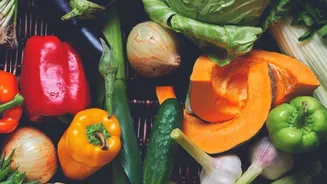
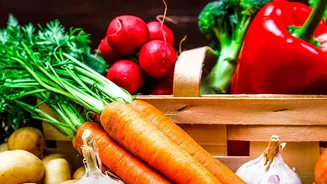
A flexible meal plan changes how you shop. Armed with your categories, you can enter the local mandi or grocery store with an open mind. Your goal is to find the best value within each category. This might mean choosing lauki (bottle gourd) over turai (ridge gourd) or opting for chawli (long beans) because they are fresh and well-priced. Shopping at local markets can often provide better prices for seasonal produce compared to premium chains. Make it a habit to walk through the vegetable section first to see what looks best and is most affordable before committing to the rest of your meal ideas. This reverses the old model of hunting for specific, and potentially overpriced, ingredients.
Smart and Savvy Swaps
A well-practised home cook knows the power of substitution. When a key ingredient becomes too expensive, knowing what to use in its place is a valuable skill. If tomato prices are soaring, for instance, you can achieve a similar tangy flavour in your curries using tamarind pulp, amchur (dried mango powder), or even a bit of yogurt. If your preferred type of dal seems pricey, a different lentil can often be cooked in a similar way. Don't be afraid to experiment. Indian regional cuisines offer a vast library of techniques and flavour profiles that don't rely on the same handful of ingredients. Exploring them can be both cost-effective and delicious.
Build a Resilient Pantry
Your pantry is your best defence against price shocks. Stocking up on non-perishable items when they are on sale or when prices are low can create a crucial buffer. This includes staples like rice, atta, various dals, chana, and rajma. It also extends to spices, cooking oils, and canned goods. Having a well-stocked pantry means you can build many meals around items you already have, reducing the number of things you need to buy each week at fluctuating prices. This strategy reduces stress and ensures you can always put a wholesome meal on the table, regardless of what the market looks like on any given day.
Cook What You Have, Waste Less
Flexibility is also about making the most of what you already own. Before you make a new shopping list, take a quick inventory of your fridge and pantry. That half-used cabbage, the last few carrots, and the handful of beans can be combined to create a mixed vegetable sabzi or a hearty soup. This mindset not only saves money by preventing food waste but also pushes you to be more creative in the kitchen. Every bit of food you use is food you don't have to buy again, directly cutting down your grocery bill.