







The Stage for a Global Leap
While the past couple of years saw a steady stream of new international routes connecting Indian cities to destinations across the globe, 2026 is less about incremental additions and more about a fundamental strategic shift. Major Indian carriers have
spent the year laying the groundwork for a massive long-haul expansion. This involves multi-billion dollar aircraft orders, extensive fleet upgrades, and a stated ambition to turn Indian airports into powerful global hubs. For travellers, this signifies the beginning of a new era, one with more choice, increased comfort, and the convenience of bypassing traditional layover spots in the Middle East or Europe.
Air India’s Ambitious Transformation
Under the ownership of the Tata Group, Air India is in the midst of a historic transformation aimed at reclaiming its 'Maharaja' status on the world stage. A key part of its five-year plan, Vihaan.AI, is aggressive network expansion. The airline has its sights set on capturing 30% of India's international travel market by 2027. The strategy involves not just adding new destinations but also increasing the frequency on popular routes to Europe, North America, and Australia. By consolidating its operations and leveraging its massive aircraft orders, Air India is positioning itself as a premier carrier that connects India directly to the world, challenging the dominance of foreign airlines on lucrative long-haul routes.
IndiGo’s Bold Move into Long-Haul
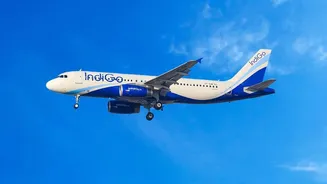
Traditionally known as a dominant force in domestic and short-haul international travel, IndiGo is making a significant leap into the long-haul market. The airline's strategic moves in 2026 have made headlines, particularly its confirmed order for 30 Airbus A350-900 wide-body aircraft. While these new planes are expected to start arriving from 2027, the decision marks a pivotal moment for both the airline and Indian travellers. This new fleet will enable IndiGo to launch its first-ever direct flights to destinations in the United States and across Europe, opening up a host of new, affordable travel options. The focus is on providing a cost-effective yet quality service that will make direct long-distance travel more accessible.
Akasa Air Enters the International Arena
The year also saw newer players like Akasa Air making their international debut, signaling the growing ambition across the Indian aviation sector. After launching its first international flight to Doha, the airline has its eyes set on further expansion across the Middle East and Southeast Asia. This growth from younger airlines adds another layer of competition to the market, which typically benefits consumers. While its current focus remains on short-haul international routes, Akasa's entry into the space underscores a broader trend: Indian carriers are no longer content with just flying domestically; they are actively seeking a larger share of the international travel pie.
Building India as a Global Aviation Hub
These airline-specific strategies are part of a larger national vision to establish India as a major global aviation hub, capable of competing with established hubs like Dubai, Singapore, and Doha. The government is actively promoting policies to support this goal, including upgrading airport infrastructure and streamlining regulations. By encouraging Indian airlines to fly long-haul routes, the aim is to have more international travellers transit through Indian airports like Delhi or Mumbai. For passengers in India, this means a future with an unprecedented number of direct flight options, more competitive fares due to increased competition, and improved connectivity from their home cities.