




Who is 'Turmeric Trinity'?
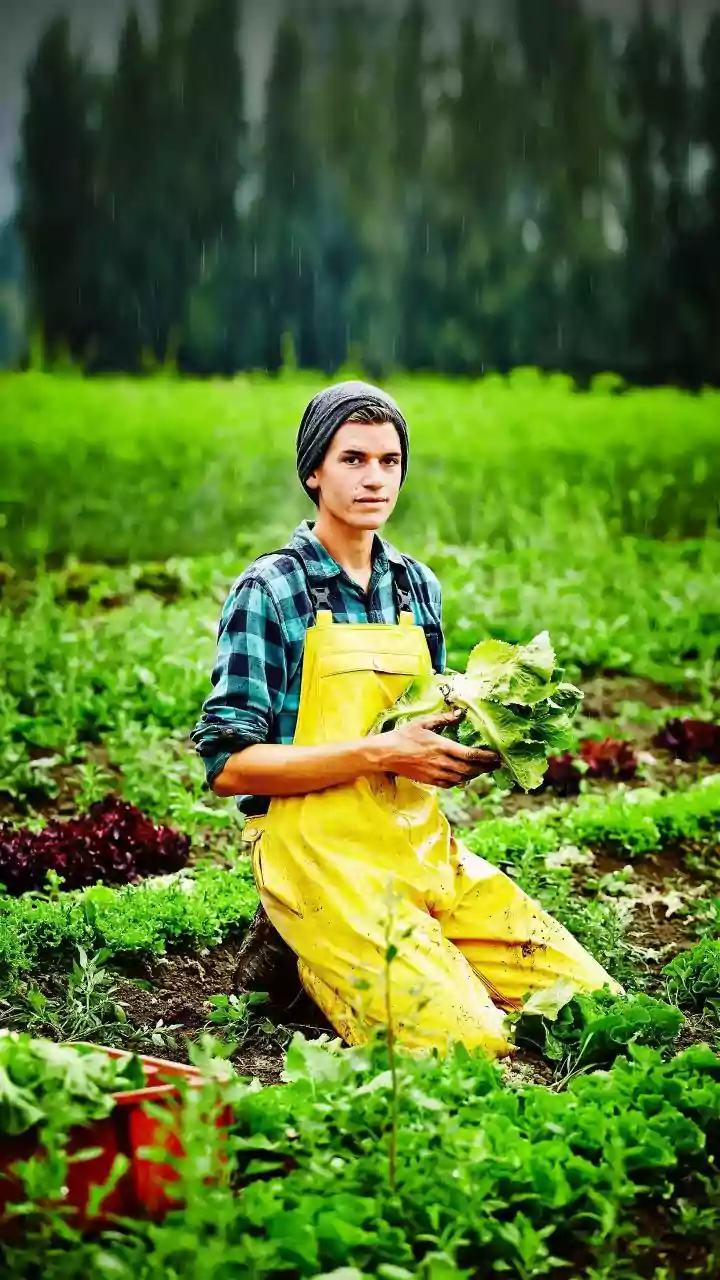
Trinity Saioo, a schoolteacher from Mulieh village in Meghalaya, is the driving force behind a women-led farming movement. For her incredible work in empowering local growers, she was awarded the Padma Shri, India's fourth-highest civilian award, in 2020.
Known affectionately as 'Turmeric Trinity', she has guided nearly 900 women farmers in her region, helping them shift to organised, organic cultivation of a special variety of turmeric. Her journey began in 2003 when she personally switched to farming this superior spice and saw her income double. Realising its potential, she began to mobilise other women, many of whom were illiterate, to do the same.
The Gold Standard: Lakadong Turmeric
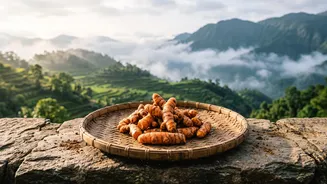
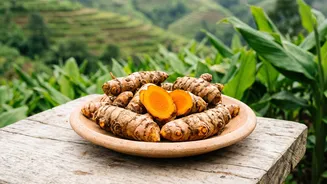
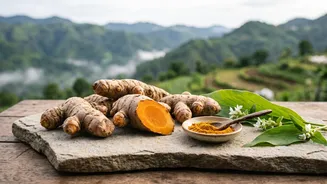
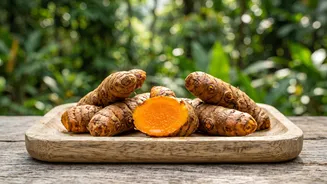
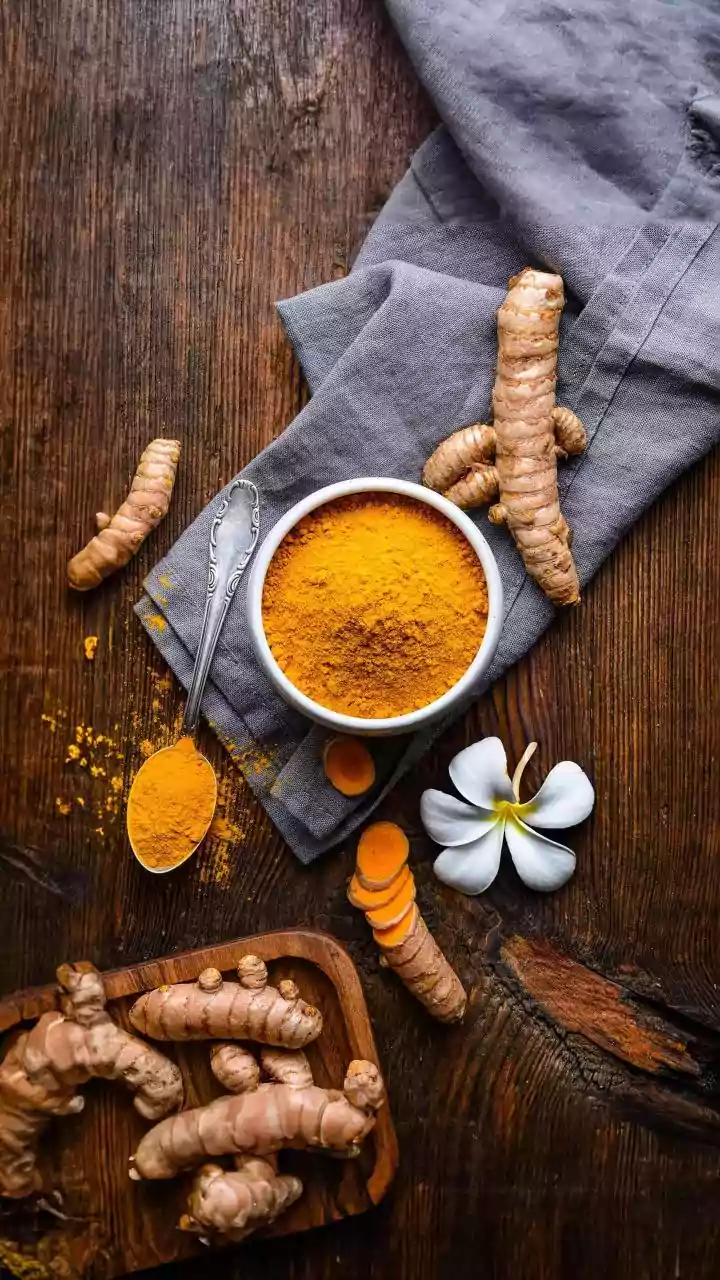
The focus of this initiative is no ordinary haldi. It is Lakadong turmeric, a variety indigenous to the Jaintia Hills, considered among the world's best. Its claim to fame is its exceptionally high curcumin content, the compound that gives turmeric its vibrant colour and medicinal properties. While regular turmeric has a curcumin level of 2-3%, Lakadong boasts a remarkable 7-9%, and sometimes even higher. This high potency not only gives it a stronger flavour and deeper colour but also makes it highly sought after in pharmaceutical and wellness industries, commanding a much better price in the market.
The Initiative and Organic Training
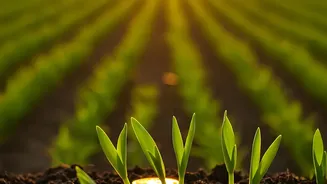
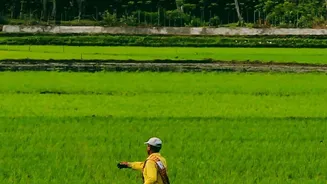
Trinity Saioo's initiative is built on education and empowerment. Before her intervention, many farmers grew the traditional 'Lachein' variety, which had lower yield and market value. The region also faced economic distress after a ban on coal mining in 2014, pushing many to return to agriculture. Saioo, with support from the Spices Board of India, began training women farmers in organic cultivation methods for Lakadong turmeric. This training covers everything from raising seedlings and pest management to navigating the paperwork for organic certifications and government subsidies. By organising them into Self-Help Groups (SHGs), she created a powerful collective that could process, package, and market the spice together, ensuring better returns.
Why Organic Is Key
The emphasis on organic farming is crucial. Traditional practices in the region already leaned towards being chemical-free, thanks to the fertile black alluvial soil that doesn't require synthetic fertilisers. The training formalises these methods, ensuring the turmeric is grown without any pesticides or chemicals. This not only protects the environment but also enhances the final product's quality. Organic Lakadong turmeric is known for its lower heavy metal content, richer aroma, and higher retention of essential oils compared to conventionally farmed turmeric. For consumers, this means a purer, more potent, and safer product, which justifies a premium price and opens up access to discerning international markets.
Impact on the Community
The results of this initiative have been transformative. By shifting to high-value Lakadong turmeric and adopting organised, organic methods, women farmers have been able to triple their incomes. This financial independence has had a profound social impact, empowering women within their families and communities. The movement has also revived the agricultural economy of the region. The success spurred the Meghalaya government to launch 'Mission Lakadong' in 2018, a state-wide program aimed at significantly boosting production to meet rising demand. Trinity Saioo's grassroots efforts have created a sustainable, replicable model for rural development, proving that empowering women and preserving tradition can lead to remarkable economic growth.