


The Science of the Lean
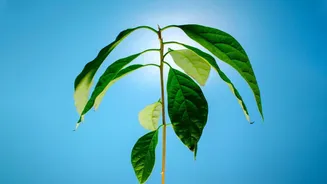
That distinct lean your plant develops towards a window isn't just a quirk; it's a survival instinct known as phototropism. Plants are biologically programmed to grow towards their light source to maximize their ability to photosynthesize, which is how
they create energy. This process is driven by a growth hormone called auxin, which concentrates on the shaded side of the stem, causing those cells to elongate faster. This difference in growth speed makes the stem bend and the leaves orient themselves toward the light, ensuring the plant gets the energy it needs. While brilliant for a plant in the wild, in your living room, it results in uneven, lopsided growth if left unchecked.
More Than Just Good Looks
Rotating your plants does more than just create a visually pleasing, symmetrical shape. Consistent rotation promotes overall vigor and health. By ensuring all sides of the plant get equal light exposure, you encourage balanced and sturdy stem development, preventing weak, stretched-out growth on the darker side. This practice also leads to more even foliage, as leaves on all sides are stimulated to grow. Furthermore, regular turning improves airflow around the entire plant, which can help lower the risk of pests and mold finding a stagnant, hospitable environment. The simple act of turning the pot is also a perfect opportunity to inspect your plant for any early signs of stress, pests, or disease, allowing you to intervene before problems escalate.
How to Create a Simple Rotation Schedule
The key to successful rotation isn't randomness; it's consistency. Forgetting for a month and then giving the pot a big spin won't fix a pronounced lean and can stress the plant. The most effective and easiest-to-remember method is to tie it to another regular care task: watering. A widely recommended practice is to give your plant a simple quarter-turn (90 degrees) each time you water it. If you water weekly, this means the plant completes a full 360-degree rotation every month, giving each side an equal share of the primary light source. Always turn the pot in the same direction to maintain a simple, repeatable system. For plants in lower-light conditions, more frequent rotation might be beneficial, while those in very bright, ambient light may need it less often.
When to Skip the Spin
While most houseplants benefit from rotation, there are a few exceptions. Some experts advise against rotating certain flowering plants, like orchids or Christmas cacti, once they have set their buds. The sudden change in light orientation can sometimes cause the plant to drop its buds before they open. Additionally, some climbing plants, particularly aroids, have a distinct front and back side; the back is adapted to cling to a surface while the front faces the light. Rotating these can disrupt their natural growth habit. For most common foliage houseplants, however, rotation is a non-negotiable part of good care. If you have a plant that has already developed a significant lean, you can correct it. Simply turn it 180 degrees so the shaded side now faces the light. It will gradually straighten itself out over the following weeks.
Avoid These Common Mistakes
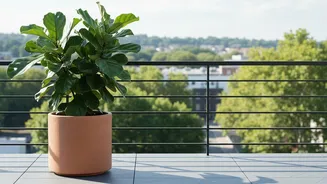
While the concept is simple, a few missteps can undermine your efforts. The biggest mistake is inconsistency—rotating sporadically is far less effective than a regular schedule. Another error is over-rotation. Turning your plant every day or multiple times a week is unnecessary and may disrupt its ability to adjust. A weekly quarter-turn is a gentle and effective rhythm for most plants. Finally, don't forget about all your plants. It's easy to remember the dramatic fiddle-leaf fig in the living room, but the smaller plants on shelves and desks need love, too. Making rotation a part of a single, unified care routine for all your plants is the best way to ensure everyone thrives equally.