

The Soul of a Sweet
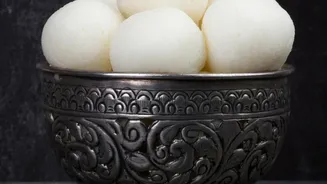
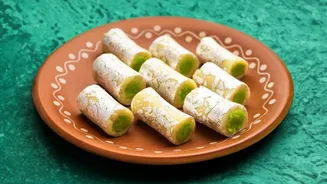
For centuries, sandesh has been more than a dessert in Bengal; it is an emotion, a bearer of good news, and a symbol of culture. Its story begins with chhena, a fresh, soft cheese curd, a technique believed to have been introduced to Bengal by the Portuguese
in the 17th century. Before their arrival, curdling milk was often considered inauspicious. But Bengali confectioners, or 'moiras', adapted the method, and the chhena-based sandesh was born, replacing an older kheer-based sweet that shared its name. This simple foundation of meticulously kneaded chhena and a sweetener became a canvas for culinary artistry, an emblem of Bengali pride and creativity, especially during the Bengal Renaissance of the 19th century when sweet shops like Bhim Chandra Nag and Nakur Chandra Nandy became legendary institutions.
The Golden Touch of Nolen Gur
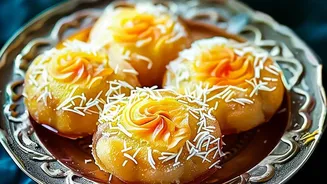
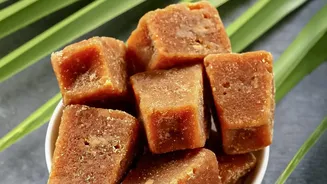
No discussion of traditional sandesh is complete without revering 'nolen gur', or date palm jaggery. This seasonal delicacy, harvested only during the winter months from November to February, is the soul of the most cherished variety: the Nolen Gurer Sandesh. Unlike regular sugarcane jaggery, nolen gur possesses a uniquely smoky, caramel-like aroma and a deep, complex flavour that is both woody and sweet. The fresh sap is painstakingly tapped from date palm trees and boiled for hours to create this liquid gold. When blended with fresh chhena, it creates a sandesh that is impossibly soft, melts in your mouth, and carries the very essence of a Bengali winter. It's a flavour that is deeply tied to nostalgia and tradition.
A Palette for the Modern Age
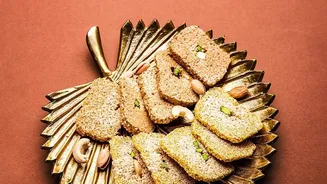
While the love for nolen gur remains unwavering, the modern sandesh is no longer bound by a single flavour profile. Today's sweet-makers are experimenting with an adventurous spirit, transforming the humble sandesh into a contemporary culinary delight. The most popular gateway flavour has been chocolate, with shops offering everything from simple chocolate-flavoured sandesh to elaborate versions like choco-lava, baked chocolate sandesh, and KitKat sandesh. Beyond chocolate, a world of new tastes has entered the fray. Fruit-infused sandesh featuring mango, strawberry, orange, and blueberry have become common, adding a tangy twist to the milky base. Some innovators are going even further, with creations like tiramisu sandesh, kulfi sandesh, and even anjeer (fig) sandesh.
Innovation Born from Necessity
This wave of innovation isn't just about chasing trends; it's also a reflection of the sweet's incredible adaptability. During the COVID-19 pandemic, one famous Kolkata sweet shop, Balaram Mullick & Radharaman Mullick, even created an 'Immunity Sandesh'. This version was loaded with 15 different herbs and spices like turmeric, ginger, and black pepper, ingredients recommended by the Ayush ministry to boost immunity. This clever adaptation showed that sandesh could respond to the cultural moment, providing comfort and a sense of wellness all in one bite. From political party symbols during elections to viral shapes like the 'Corona Sandesh', the sweet has repeatedly proven to be a canvas for expression.
A Delicious Coexistence
The rise of modern flavours hasn't diminished the stature of the classics. Instead, they happily coexist in the glass displays of Kolkata's sweet shops. A customer can easily pick up a traditional 'jolbhora' (a sandesh with a liquid centre, often of nolen gur) alongside a baked blueberry sandesh. This balance is the key to its enduring legacy. The traditional recipes anchor the sweet in its rich history, reminding people of its cultural significance. The new flavours, meanwhile, attract a younger, more global palate, ensuring that sandesh remains relevant and exciting for generations to come. It’s a testament to a culinary tradition that is confident enough to honour its past while fearlessly embracing the future.