



The Beloved Breakfast Dilemma
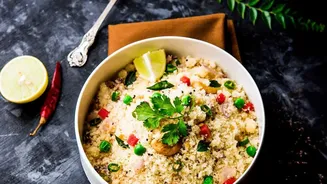
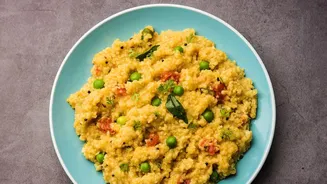
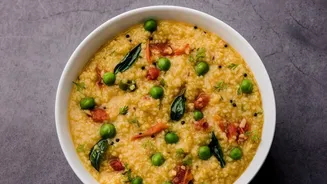
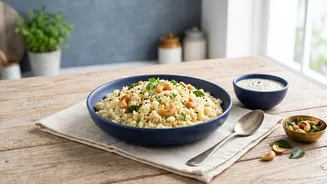
Upma is a cornerstone of Indian breakfast culture, a quick, comforting, and nutritious dish made from rava (semolina). Yet, for such a simple dish, it can be surprisingly tricky to get right. The difference between a glorious, fluffy upma where every
grain is distinct and a dense, porridge-like clump often comes down to common mistakes. Many home cooks struggle with texture, ending up with a final product that is either too dry, too sticky, or frustratingly lumpy. The good news is that achieving that ideal restaurant-style texture is not an art reserved for chefs; it's a science that anyone can master by focusing on a few fundamental techniques.
Roasting Rava: A Non-Negotiable First Step
The first and most critical step to prevent a sticky outcome is to properly roast the rava. This simple act does two important things. First, it imparts a wonderful nutty aroma and deeper flavour to the semolina. Second, and more importantly for texture, roasting coats the grains and makes them less prone to clumping together when they hit the water. Raw or inadequately roasted rava releases too much starch at once, creating a gluey consistency. To do it right, dry roast the rava in a pan over low to medium heat, stirring frequently for about 5-7 minutes. The rava should become fragrant and look dry and separate, but not necessarily change colour drastically. Even if your packet says 'pre-roasted', giving it a quick toast before you begin will make a noticeable difference.
The Hot Water Revelation
The temperature of the water you use is another game-changer. While it might seem intuitive to use water straight from the tap, using cold or lukewarm water is a primary cause of lumpy upma. When rava is added to cold water, it doesn't cook evenly; the outer layer of the grains becomes mushy while the inside can remain raw, causing lumps to form. Using boiling hot water, however, ensures the rava cooks instantly and uniformly. The high heat helps the granules swell immediately and absorb the water evenly, resulting in that coveted fluffy texture. Always have your water at a rolling boil before you even think about adding the rava. This ensures a quick, even gelatinization of the starch, which is key to a lump-free finish.
The Art of the Steady Stir
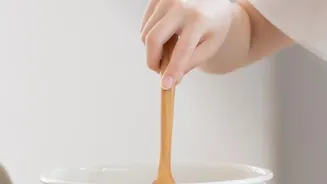
How you combine the rava and hot water is the final piece of the puzzle. Don't just dump the rava in all at once. This will almost certainly create clumps as the grains on the outside absorb water before the ones in the middle. The correct technique is to reduce the heat to low and pour the roasted rava into the boiling water in a slow, steady stream with one hand, while stirring continuously with the other. This constant motion ensures every grain is individually coated with water, preventing them from sticking to each other. Stir just until the mixture is combined and has thickened, then stop. Over-stirring after this point can break down the grains and make the upma pasty.
Putting It All Together
To bring it all home, follow this sequence. First, get your tempering (tadka) of mustard seeds, dals, and curry leaves sizzling in oil or ghee. Add any vegetables and sauté. Then, add the correct amount of water—a common ratio is 1 cup of rava to 2.5 or 3 cups of water for a soft texture—and bring it to a rolling boil. As it boils, slowly stream in your pre-roasted rava while stirring constantly. Once all the rava is in and the water is absorbed, cover the pan, reduce the heat to the absolute minimum, and let it steam for 3-5 minutes. This final rest allows the grains to plump up fully and become perfectly soft and fluffy.