




A Shift in Perception
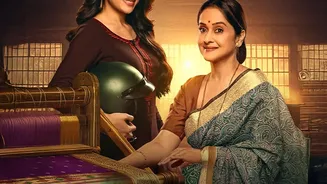
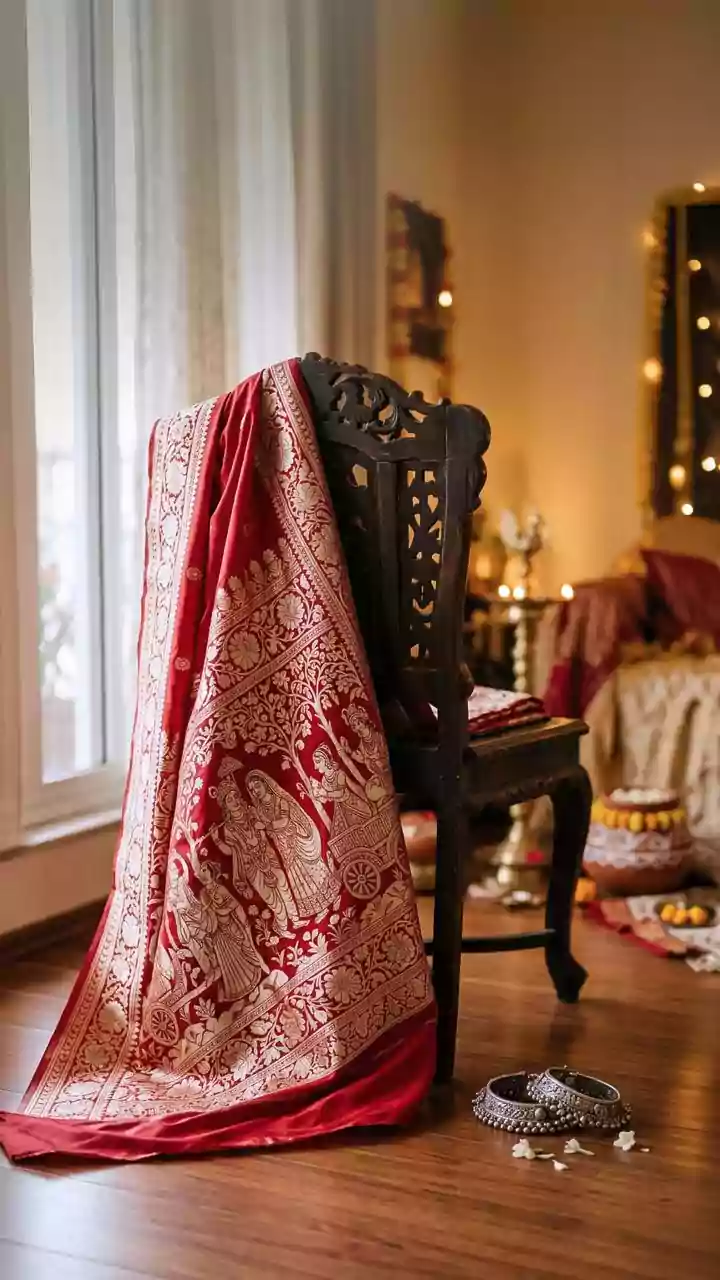
Handloom is no longer just your grandmother's treasured silk saree; it is fast becoming a staple for everyday life. From breathable cotton kurtas perfect for a day at the office to chic linen dresses for a casual brunch, handwoven textiles are being embraced
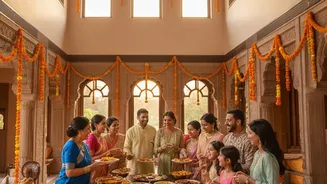
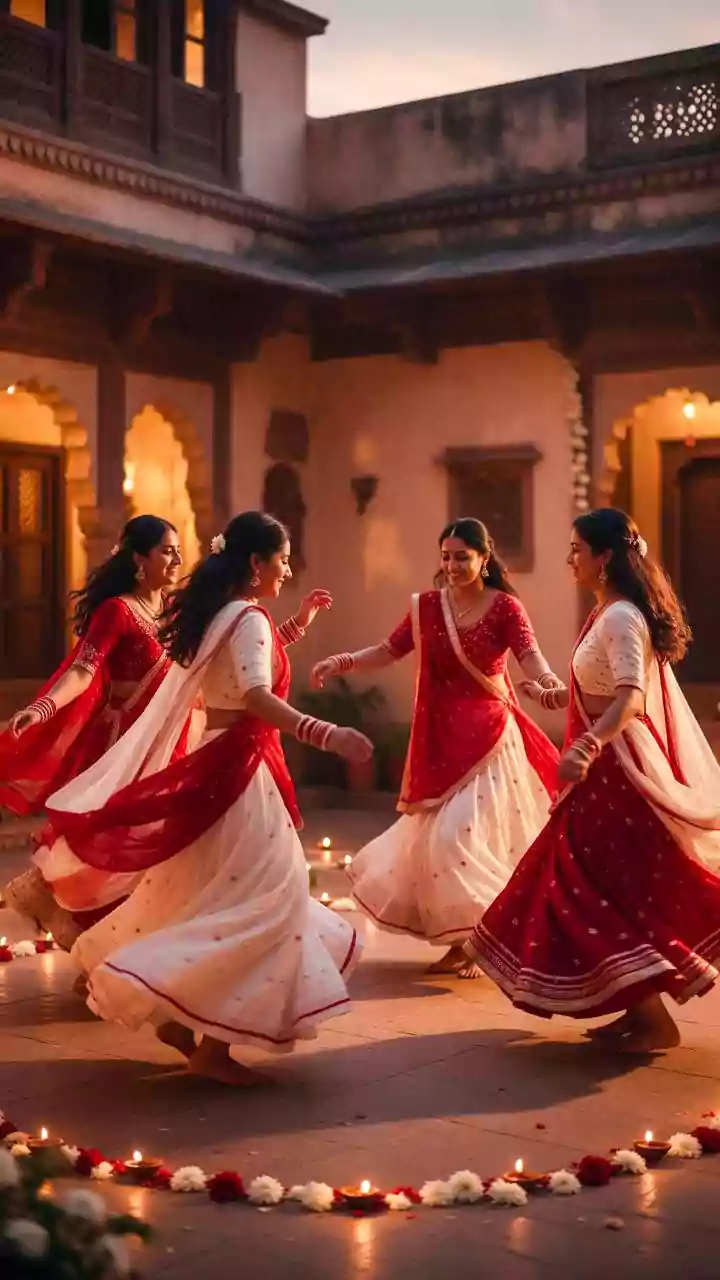
for their versatility and comfort. This shift is driven by a new generation of consumers and designers who see handloom not as a costume of the past, but as a conscious, stylish choice for the present. The line between festive wear and daily wear is blurring, with more people giving themselves 'permission' to wear beautiful, crafted textiles without needing a special reason.
Designers Reimagining Tradition
Leading this charge are Indian designers who are creatively reinterpreting traditional weaves for contemporary silhouettes. Labels like Raw Mango by Sanjay Garg, Ekaya Banaras, and 11.11/eleven eleven are proving that fabrics like Banarasi silk, Chanderi, and Khadi can be transformed into structured blazers, playful co-ord sets, and even handwoven denim. They are pairing rich textiles with clean cuts and minimalist designs, allowing the fabric's inherent beauty to shine. For instance, Odisha's intricate Ikat patterns are now found on tailored jackets and flowing dresses, while the once-humble Khadi is fashioned into lightweight, stylish separates. This innovative approach makes heritage weaves feel less like relics and more like relevant, modern fashion.
The Appeal of Conscious Comfort
The growing appeal of handloom is also rooted in a larger global movement towards sustainable and mindful consumption. In an era dominated by fast fashion, handloom offers an eco-friendly alternative. These textiles are typically made from natural, biodegradable fibres and involve production processes with a lower carbon footprint. For many young Indians, choosing handloom is a way to support local artisan communities and preserve a rich cultural heritage. In fact, after agriculture, the handloom sector is the second-largest provider of rural employment in India, with women making up a significant portion of the workforce. This connection to sustainability and ethical production adds a layer of meaning to the clothing that fast fashion cannot replicate.
How to Style Handloom for the Everyday
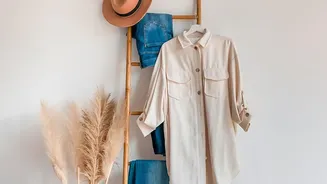
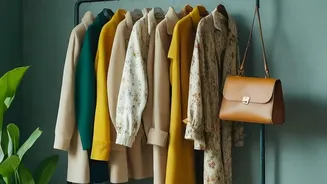
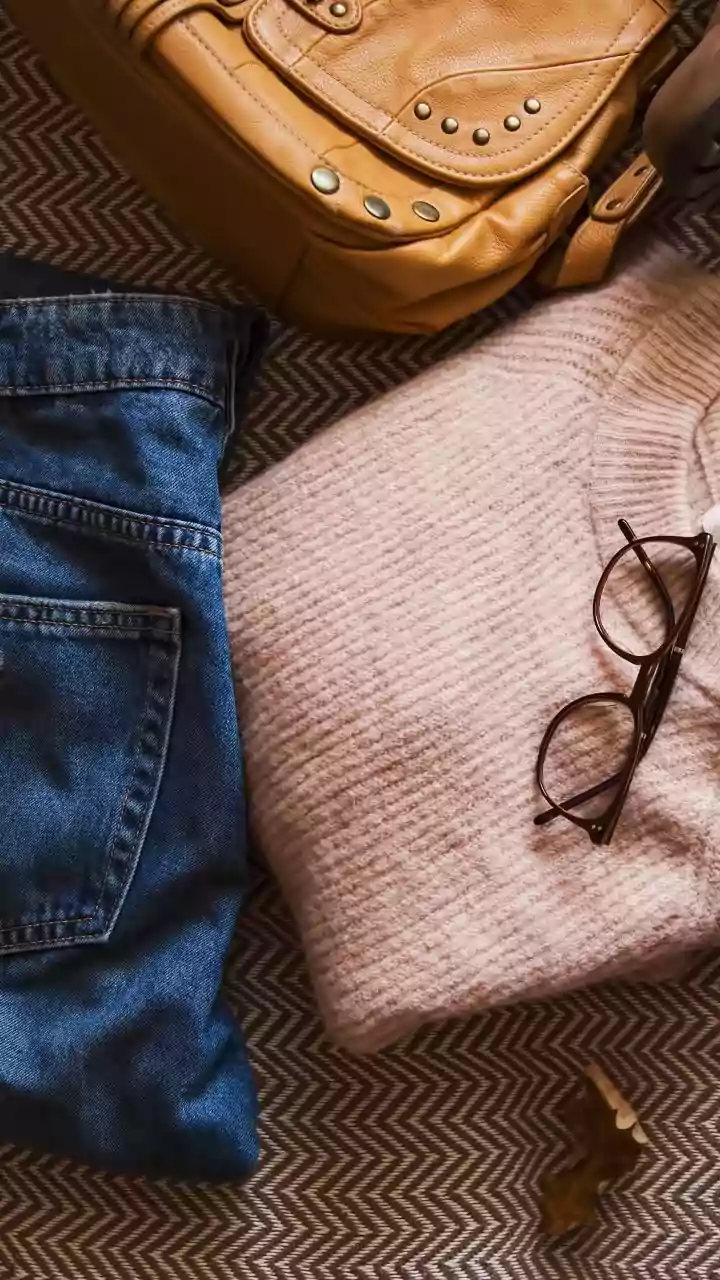
Incorporating handloom into your daily wardrobe doesn't require a complete overhaul. The key is to mix and match. Pair a handloom kurta with a pair of jeans for an effortlessly chic look, or style a handwoven shirt with tailored trousers for a professional setting. For a casual weekend outing, a handloom skirt paired with a simple t-shirt works wonders. Accessories play a crucial role in modernising the look; think sneakers or flats instead of traditional footwear, and simple, structured bags. Start with versatile pieces in neutral or earthy tones like indigo, beige, or terracotta, which are easy to integrate with your existing clothes. Fabrics like handloom cotton, linen, and lightweight Chanderi are particularly well-suited for daily wear due to their breathability and comfort.