





The Great Indian Crunch
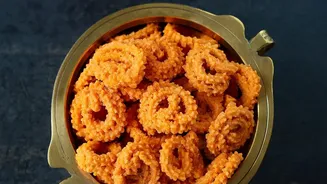
Texture is the unsung hero of the snacking experience, and in India, crunch reigns supreme. It’s a sensory cue that signals freshness and satisfaction, a quality that brands are now engineering to the extreme. This isn't just about a standard potato chip
anymore. Companies are innovating with multi-grain bases, unique shapes like spirals and rings, and advanced frying or baking techniques to deliver a more dramatic, audible crunch. Think of the dense bite of a cassava chip or the layered texture of a lachha snack. This obsession with texture is rooted in tradition, mimicking the satisfaction of freshly fried street food. In a crowded market, a superior crunch can be a key differentiator, creating a memorable physical sensation that keeps consumers reaching for another handful.
A Revolution in Spice
India’s love for spice is legendary, but the current trend is less about traditional warmth and more about a full-blown “spice revolution.” Propelled by Gen Z and millennials, there is a growing appetite for adventurous, global chilli experiences. Food giants like PepsiCo, Nestlé, and Tata Consumer are responding by launching products with higher heat intensity. Recent launches include Lay's Sizzlin' Hot and Bingo's Tedhe Medhe Korean Style Chips, directly inspired by the global popularity of fiery flavours. This isn't just about adding more chilli powder; it’s about complexity. Brands are creating fusion flavours, like the Kurkure and Ching’s Secret Schezwan Chutney collaboration, which blends Indian crunch with a Desi-Chinese spicy and tangy kick. This move caters to a younger audience that is more experimental and seeks out shareable, challenge-worthy food experiences.
The Surge of Sour and Tangy
Alongside the fire, there's a growing wave of sourness. The 'chatpata' flavour profile—a complex blend of spicy, salty, and tangy—has long been a cornerstone of Indian street food, and packaged goods are now catching up. Brands are increasingly using ingredients like mango powder (amchur), tamarind, and lime to add a zesty, mouth-puckering dimension to their snacks. This tangy twist provides a refreshing counterpoint to the intense heat, creating a more balanced and addictive flavour profile. The appeal of sourness extends beyond snacks into beverages and even ice cream, with flavours like spicy guava gaining traction. This trend taps into a deep-seated nostalgia for the tangy treats of childhood, from raw mango with salt to tamarind candies, but repackages it for a modern, convenience-seeking consumer.
Why Bolder Is Now Better
Several factors are driving this push for intense sensory experiences. Firstly, younger consumers, particularly Gen Z, are the most influential group shaping India's food culture. They actively seek novelty, bold flavours, and visually appealing products that stand out on social media. Secondly, the packaged food industry is in a fierce battle with India’s massive unorganised street food sector. To compete with the fresh, intense, and diverse flavours of a local chaat or noodle stall, brands must offer an equally compelling sensory payoff. Finally, in a saturated market, intense flavour is a powerful marketing tool. Sensory branding, which appeals to all five senses, creates a stronger emotional connection and brand recall. By making snacks spicier, crunchier, and tangier, companies are ensuring their products don't just get eaten—they get remembered.