







What Is Breath Journaling?
At its core, breath journaling is the simple practice of pairing conscious breathing with writing. It’s a tool for mindfulness that involves taking a few moments to focus on your breath and then jotting down the thoughts, feelings, or physical sensations
that arise. Unlike more rigid meditation or breathwork practices, it isn't about achieving a specific state or following a complex sequence. Instead, it serves as a bridge between your inner world and a blank page, creating a tangible record of your mental and emotional state. The goal is to turn moments of breath awareness into practical, personal insight.
Why Chasing Perfection Misses the Point
The pressure to perform wellness practices “correctly” can often induce the very stress they are meant to alleviate. When you become overly focused on whether you’re breathing deeply enough, holding for the right count, or using the “best” technique, you can get stuck in your head. This preoccupation with perfection can feel like a performance, turning a tool for self-discovery into another task to be judged. The truth is, there is no way to do it wrong. The practice is a private map, not a public test. Embracing a non-judgmental approach allows your thoughts to flow more naturally, helping to bypass mental blocks and uncover insights you might otherwise miss.
The Real Power: Consistent, Gentle Reflection
The true value of breath journaling lies in the habit of checking in with yourself. Regularly reflecting on your entries is key to tracking your progress and noticing patterns. By simply writing down what you observe without judgment, you create a unique log of your inner life. This act of naming your feelings has been shown to calm the part of the brain that sounds alarms, making emotions feel more manageable. Over time, reviewing your journal helps you understand your triggers, recognize what brings you calm, and see how your moods and energy levels shift. It’s this consistent, compassionate self-observation that fosters genuine growth and self-awareness, not the mastery of any single breathing exercise.
A Simple Guide to Get Started
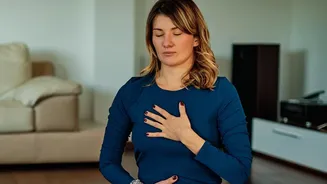
Getting started with breath journaling is intentionally simple. You don’t need special equipment—just a notebook and a few quiet minutes. First, find a comfortable spot where you won’t be distracted. Set a timer for five or ten minutes if it helps you stay focused. Begin by taking a few slow, natural breaths. Pay attention to the sensation of the air entering and leaving your body without trying to change it. Notice the rise and fall of your chest or belly. Once you feel settled, open your journal and start writing. Don't edit or censor yourself; just let the words flow. The aim is to capture what is present for you in that moment.
Journaling Prompts for Your Practice
If you feel stuck or unsure what to write, prompts can provide a gentle starting point. They are designed to guide your reflection and encourage deeper exploration. Try one of these to begin your session: How does my breath feel right now? Is it shallow, deep, fast, or slow? What thoughts or worries came to mind as I was breathing? Where am I feeling tension or ease in my body at this moment? What one emotion is most present for me right now?* What is one small, quiet thing that brought me a sense of peace today?