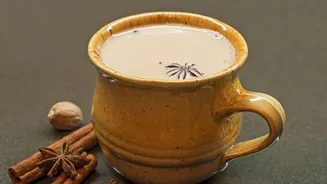








A Beloved Ritual Under the Microscope
The simple act of enjoying a hot beverage is a universal comfort. In India, the culture of 'garam chai' is deeply woven into the fabric of daily life. Yet, this cherished habit has come under scientific scrutiny. Major health organizations are now advising
caution, not about the tea itself, but about the temperature at which it's consumed. The International Agency for Research on Cancer (IARC), a part of the World Health Organization, has classified drinking very hot beverages—over 65°C (149°F)—as "probably carcinogenic to humans". This conclusion isn't meant to cause alarm, but to raise awareness about a simple, modifiable risk factor that many of us overlook in our daily routines. The focus is specifically on the consistent, long-term habit of drinking scalding liquids, a practice common in many parts of the world.
The Science of Heat and Harm
So, how can something as simple as heat be harmful? The answer lies in a process called thermal injury. When you sip a beverage that's too hot, it can repeatedly damage the cells lining your oesophagus, or food pipe. Think of it like a very mild, internal scald. Your body is resilient and constantly works to repair this damage by replacing the injured cells. However, when this process of injury and repair happens over and over for years, it can increase the chance of errors occurring during cell replication. This chronic inflammation and rapid cell turnover may eventually lead to the formation of cancerous cells. A large-scale study from the University of Oxford found that those who prefer their drinks "very hot" have a significantly higher risk of developing oesophageal squamous cell carcinoma (SCC), a specific type of oesophageal cancer, compared to those who drink them at a warm temperature.
What the Research Says
The link between very hot drinks and oesophageal cancer isn't new; it's supported by multiple studies from around the globe. Research in Iran, China, and South America first highlighted this connection, observing higher rates of this cancer in populations that traditionally drink beverages at very high temperatures. For instance, one major study following over 50,000 people found that drinking 700ml of tea per day at 60°C or higher was associated with a 90% increased risk for oesophageal cancer compared to those drinking at lower temperatures. A more recent and extensive study in the UK, involving nearly one million people, confirmed these findings for a Western population, showing that those who drank "very hot" tea or coffee had a threefold greater risk of SCC. It's important to note that the risk is also tied to quantity; consuming six or more very hot drinks a day was associated with a 71% increased risk.
It’s Not the Tea, It’s the Temperature
This is the most crucial takeaway: the tea itself is not the villain. In fact, tea, particularly green and black varieties, is celebrated for its health benefits, including antioxidants that can help protect the body. The IARC was clear in its findings that there is no evidence linking coffee or tea at normal temperatures to cancer. The risk is purely from the thermal injury caused by any liquid that is scalding hot. So, there's no need to give up your favourite morning masala chai or afternoon green tea. The message from the scientific community is simply to adjust the habit. It’s about letting that freshly boiled brew cool down to a level that doesn't harm the delicate lining of your food pipe.
Finding the Sweet (and Safe) Spot
What is a safe temperature? The consensus points to keeping your beverage below 65°C, and ideally closer to 60°C (140°F). But you don't need a thermometer to be safe. A simple rule of thumb is to wait until the cup is comfortable to hold and you can take a sip without wincing or burning your tongue. If steam is billowing from your cup, it's a clear sign to wait. Allowing a freshly poured tea to sit for just a few minutes—perhaps three to five—is often enough for it to cool to a safer, more enjoyable temperature. Some people find that adding a splash of cold milk or water does the trick instantly. Waiting not only protects your health but can also improve the taste; many tea connoisseurs argue that slightly cooler temperatures allow the complex flavours of the tea to emerge, which are often masked by excessive heat.