







A Thread of Freedom
The connection between Indian textiles and independence is deeply woven into the nation's history. The Swadeshi Movement, launched on August 7, 1905, was a call to boycott foreign goods and embrace domestic products, with hand-spun and hand-woven cloth
like Khadi as its most powerful symbol. This act of economic self-reliance became a cornerstone of the freedom struggle, championed by Mahatma Gandhi, who saw the spinning wheel, or charkha, not just as a tool but as a path to empowerment for rural India. Every year, National Handloom Day is celebrated on August 7th to commemorate the start of this movement, reminding us that these textiles are not just fabric, but a legacy of resilience and national pride.
The 2026 Revival
This year, the spirit of Swadeshi finds new expression through nationwide campaigns like 'Vocal for Local' and 'Har Ghar Tiranga'. The government is actively encouraging citizens to support local artisans and make indigenous products a part of their celebrations. The 'Har Ghar Tiranga' initiative, which encourages hoisting the national flag at home from August 9th to 17th, has created a unique opportunity for handloom clusters producing tricolour fabrics. This renewed focus is part of a broader push to strengthen India’s rural, non-farm economy, where handloom is one of the largest employers after agriculture, providing livelihoods for over 3.5 million workers.
Beyond Khadi: A Regional Tapestry
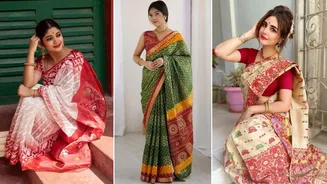
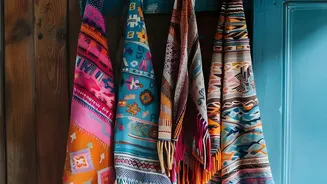
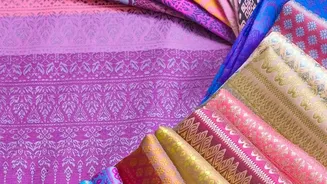
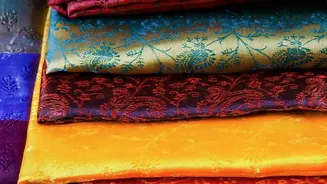
While Khadi holds a special place, the 2026 revival shines a light on India's staggering diversity of weaves. From the rich Banarasi silks of Varanasi to the intricate double-ikat of Patan's Patola, and the geometric precision of Pochampally from Telangana, each region has a unique textile story. Many of these crafts are protected by Geographical Indication (GI) tags, which certify their origin and traditional methods of production. This year’s focus encourages consumers to explore beyond the familiar and appreciate the specific skills of communities like the Mishing weavers of Assam, known for their ability to weave with seven colours at once, or the centuries-old silk traditions of Murshidabad in West Bengal.
The Artisan at the Centre
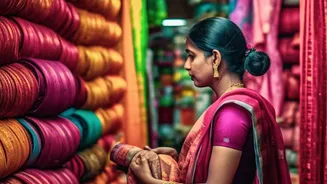
Behind every beautiful handloom product is an artisan, often a woman, as they make up over 70% of the workforce. Despite the cultural importance of their craft, weavers face significant challenges, including competition from cheaper power-loom fabrics, exploitation by middlemen, and rising costs of raw materials. This leads many in the younger generation to seek more stable incomes in cities. Government initiatives like the National Handloom Development Programme (NHDP) and the Weavers MUDRA Scheme aim to address these issues by providing access to credit, raw materials at subsidised rates, skill training, and marketing support. The goal is to make weaving a viable and respected profession, ensuring these skills are passed down.
Weaving a Sustainable Future
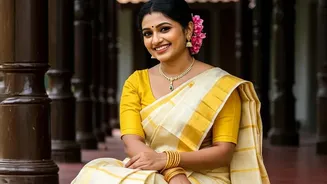
The renewed interest in handloom also aligns with a global shift towards sustainable and ethical fashion. Handloom production is inherently eco-friendly, using minimal electricity and generating a low carbon footprint compared to industrial manufacturing. As consumers become more conscious of their environmental impact, the demand for authentic, handmade products is growing. This movement positions Indian handloom not as a relic of the past, but as a forward-looking choice. It’s a way for modern Indians to connect with their heritage, support rural economies, and make a sustainable statement, all while wearing a piece of art.