





The Case for the Yoga Mat
Originating in ancient India, yoga is a holistic practice that unites mind, body, and spirit. It's much more than just physical postures (asanas); it involves breath control (pranayama) and meditation to create a powerful internal experience. The primary
allure of yoga lies in its ability to build strength, enhance flexibility, and improve balance in a controlled environment. Regular practice can lead to better posture, alleviate chronic pain, and reduce the risk of injury by strengthening core muscles and improving joint mobility. Beyond the physical, yoga is renowned for its profound mental health benefits. It is scientifically shown to be an effective tool for stress management. By focusing on the breath and being present, practitioners can calm the constant stream of thoughts, leading to greater mental clarity, reduced anxiety, and improved emotional resilience.
The Call of the Forest Trail
Hiking, or simply spending mindful time in nature, offers a different kind of therapy. The Japanese practice of 'shinrin-yoku', or "forest bathing," isn't about exercise but about immersing your senses in the natural environment. Research has shown that even just 20 minutes in a natural setting can significantly lower levels of the stress hormone cortisol, reduce blood pressure, and slow your heart rate. Hiking combines these benefits with a cardiovascular workout. It strengthens your lower body, improves heart health, and boosts endurance. The varied terrain acts as a natural gym, challenging your body in functional ways. Mentally, being in nature has a powerful calming effect. The sights and sounds of the forest can reduce anxiety and depression, while the fresh air, rich in plant-released compounds called phytoncides, may even boost your immune system.
A Head-to-Head Comparison
When it comes to physical fitness, the choice depends on your goals. Yoga excels at developing flexibility, balance, and all-over muscle tone. Hiking is superior for cardiovascular endurance and building powerful leg muscles. For mental wellness, both are excellent stress-reducers. Yoga provides a structured, inward-focused form of mindfulness. Hiking and forest bathing offer a more expansive, outward-focused mindfulness, encouraging a connection to the world around you. In terms of accessibility, yoga can be practiced almost anywhere with just a mat, making it a low-cost option. Hiking requires access to a safe trail or park, which might be a practical barrier for some, but the activity itself is free. Both practices can be done solo or in groups, offering different social dynamics.
Better Together: The Hybrid Approach
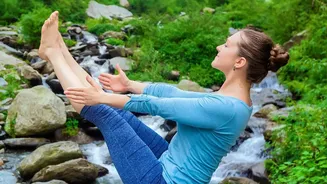
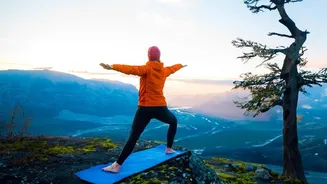
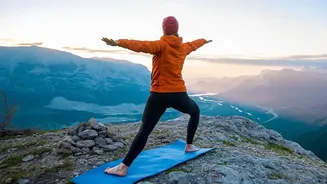
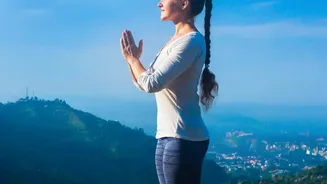
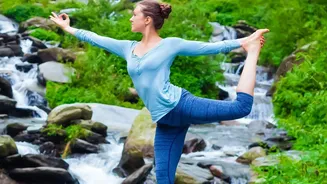
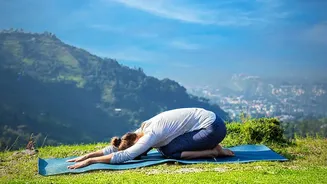
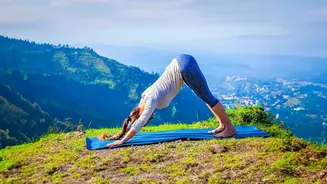
Perhaps the question isn't which path to choose, but how to walk both. Yoga and hiking are incredibly complementary. A regular yoga practice can dramatically improve your hiking performance by increasing flexibility, strengthening your core for better endurance, and enhancing your balance on tricky terrain. It helps prevent injuries and can aid in faster muscle recovery after a long trek. You can even incorporate yoga into your hike. Simple stretches before you start can warm up your muscles, and a few poses at a scenic viewpoint can deepen your connection to the experience. Taking the mindfulness and breath control learned on the mat onto the trail can transform a simple walk into a moving meditation, allowing you to stay present and fully appreciate your surroundings.