



A Parade of Bright Planets
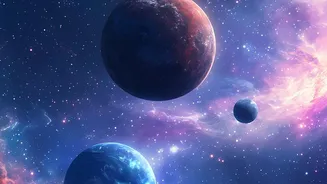
September is a fantastic month for planet-watching. Five planets are visible, though at different times. Venus will be a stunningly bright object in the western sky just after sunset. On September 18, it reaches its peak brightness for the year, making
it unmistakable even from light-polluted cities. Meanwhile, Saturn rises in the east shortly after sunset and will be visible for most of the night. Around the time of the full moon on September 26, the ringed planet will appear nearby, offering a beautiful pairing. Jupiter, another brilliant beacon, dominates the pre-dawn eastern sky, rising after midnight. Early risers on September 8 might catch the crescent Moon passing very close to Jupiter. Mars also makes an appearance in the pre-dawn hours, identifiable by its reddish hue in the constellation Gemini.
The Full Harvest Moon
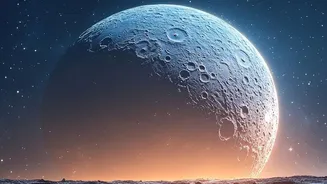
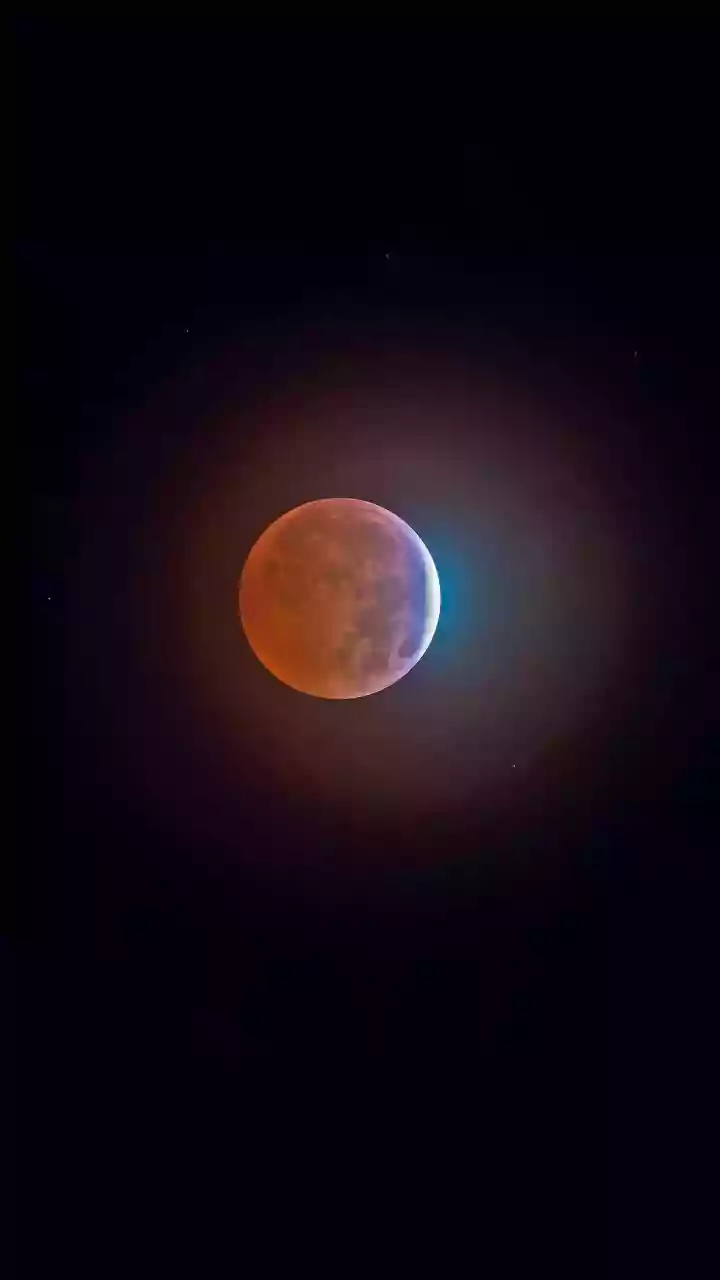
The main lunar event this month is the Full Harvest Moon on September 26. This is the name given to the full moon that falls closest to the autumnal equinox (which occurs on September 22). Historically, its bright light helped farmers harvest their crops late into the evening. The moon will officially become full in the afternoon for observers in India, meaning the best time to watch it will be as it rises in the east around sunset on the evenings of September 26 and 27. As it climbs above the horizon, it may take on a beautiful yellow or orange colour due to its light filtering through Earth's atmosphere. Look for the planet Saturn shining nearby, making for a picturesque celestial scene.
A Modest Meteor Shower
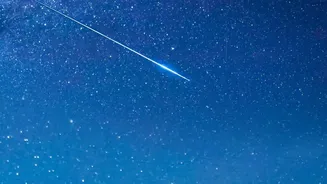
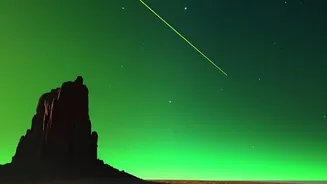
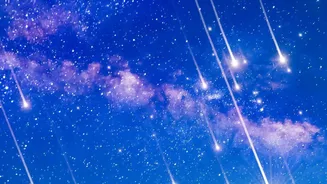
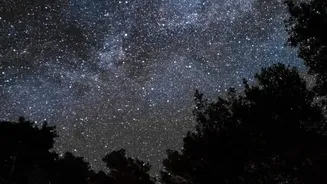
If you enjoy spotting shooting stars, the September Epsilon Perseid meteor shower offers a good opportunity. This shower is active from September 5 to 21, with its peak expected on the night of September 9. Unlike the famous August Perseids, this is a much quieter shower, producing maybe five to eight meteors per hour under perfect conditions. However, its great advantage this year is that its peak coincides with the days just before the new moon on September 11. This means the sky will be exceptionally dark, making it much easier to spot the fainter meteors. For your best chance, find a dark location away from city lights, let your eyes adjust, and look toward the constellation Perseus.
Constellations and Deep Sky Objects
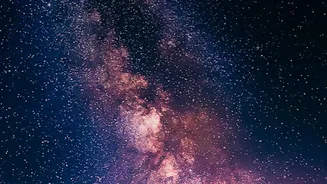
While planets steal the show, don't forget the stars. The famous W-shaped constellation of Cassiopeia is well-placed for viewing in the northern sky during the evening. It can be used as a guide to find other celestial objects. For those with binoculars or a small telescope, the Andromeda Galaxy (M31) is also in a good position for viewing. From a dark sky location, it appears as a faint, fuzzy patch of light. It’s the most distant object you can see with your naked eye, and it's our closest major galactic neighbour. September also marks the transition from summer to autumn constellations. You can still catch the Summer Triangle—made of the bright stars Vega, Deneb, and Altair—high overhead after dusk, while the Great Square of Pegasus begins its ascent in the east.
Tips for Stargazing in India
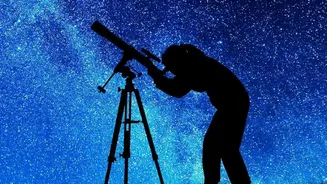
To make the most of September's night sky, a little preparation goes a long way. The most important step is to find a location away from bright city lights. Even a short drive out of the city can dramatically increase what you can see. Check the weather forecast for clear skies before you head out. Once you're settled, give your eyes at least 15-20 minutes to fully adapt to the darkness; this will help you spot fainter objects. While many of this month's highlights are visible with the naked eye, a simple pair of binoculars can enhance the view of the Moon's craters, reveal Jupiter's largest moons, and make faint star clusters pop.